
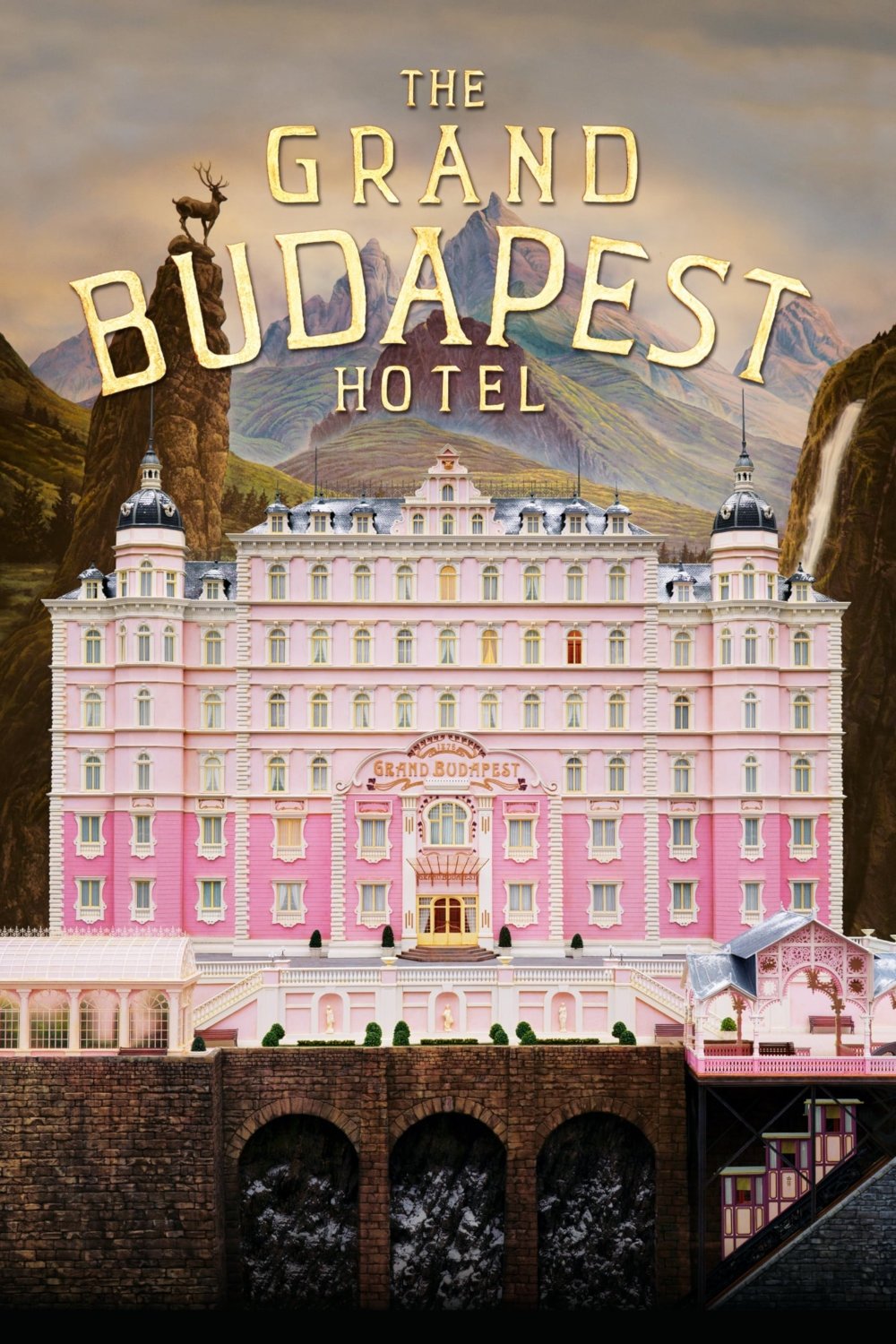
The cinematic vision behind the iconic The Grand Budapest Hotel is the work of the celebrated American filmmaker Wes Anderson. Known for his meticulous attention to detail, symmetrical compositions, and a color palette that feels like a curated dreamscape, Anderson transformed the fictional Republic of Zubrowka into a place that resonates with global travelers. While the film is a masterclass in production design, it serves as a profound homage to the golden age of European travel, evoking the grandeur of the legendary Grandhotel Pupp and the historical charm of Central European spa towns.

The Aesthetic of Architectural Grandeur
Wes Anderson’s direction is inextricably linked to the architecture of the film. The hotel itself is not merely a setting but the primary protagonist. Its design pulls inspiration from the opulent era of Belle Epoque architecture, mirroring real-world icons such as the Corinthia Hotel Budapest.
Symmetrical Precision and Design
Anderson’s directorial signature—perfect symmetry—mimics the organized luxury found in the world’s most elite hospitality establishments. When guests visit properties like the Hotel Sacher in Vienna, they are often struck by the same intentionality of space that Anderson projects on screen. The film utilizes a color-coded production style, using vibrant pinks and deep reds that remind viewers of the plush interiors of historic hotels in Prague or Budapest.
The Influence of Historic Landmarks
While The Grand Budapest Hotel is a product of Anderson’s imagination, he drew heavily from the architectural history of the Austro-Hungarian Empire. The film captures the essence of the grand railway hotels that once dominated the travel routes from Paris to Istanbul. These landmarks were hubs of culture and intrigue, much like the hotel directed by Anderson, serving as crossroads for the eccentric elite of the early 20th century.
Cinematic Hospitality and Narrative Style
Beyond his visual flair, Wes Anderson utilizes the concept of the hotel concierge as an anchor for his narrative. The central character, Gustave H., played by Ralph Fiennes, represents the pinnacle of hospitality—a standard of service that many luxury resorts strive to emulate.
The Concierge as a Cultural Guide
In the world of travel, the concierge is the bridge between a visitor and the heartbeat of a city. Anderson highlights this in his direction by showing how the hotel staff acts as stewards of culture. This reflects the reality of high-end service at institutions like the Four Seasons Hotel Gresham Palace, where the staff’s deep local knowledge creates an unforgettable experience for guests. Anderson’s direction suggests that travel is not just about the room; it is about the stories, the history, and the human connection formed within the hotel walls.
The Pacing of a Luxury Stay
Anderson directs his films with a rhythmic, storybook cadence that mirrors a perfectly planned vacation. The structure of the film is layered, much like the concierge’s meticulously managed operations. By moving between time periods—the 1930s, the 1960s, and the 1980s—he captures the evolution of hospitality. He invites viewers to witness how a grand property ages, adapts, and maintains its soul, an experience similar to staying at historic grand dames like Claridge’s in London or the Hotel Adlon Kempinski in Berlin.
Why the Film Still Influences Modern Travel
Wes Anderson’s unique directorial style has created a lasting impact on how we perceive hotels as destinations. The film transformed the hotel aesthetic from a purely functional concept into a romanticized travel goal.
The Rise of Wes Anderson-Inspired Destinations
Today, travelers are actively seeking out “Anderson-esque” experiences. They look for hotels with pastel facades, ornate ballrooms, and a palpable sense of history. This has revitalized interest in historic boutique hotels across Germany, Poland, and Austria. Visitors are no longer satisfied with modern, minimalist boxes; they crave the character, the velvet upholstery, and the “old-world charm” that Anderson brought to life in his masterpiece.
Preserving Architectural Heritage
The film’s focus on the decline and subsequent restoration of the hotel property highlights the importance of historical preservation. When we walk through the corridors of heritage sites or grand hotels in Central Europe, we are participating in the same appreciation of history that Anderson emphasizes in his film. His direction acts as a reminder that these structures are not just buildings, but repositories of human interaction and cultural heritage.

The Emotional Connection to Space
Finally, the director’s work reminds us that hotels are places of transient intimacy. Whether it is a fleeting stopover or a grand vacation, a hotel room acts as a temporary home. By directing the story through the lens of a hotel, Anderson elevates the act of travel. He encourages his audience to look closer at their surroundings, to appreciate the craftsmanship of a lobby, the history etched into the architecture, and the importance of the service professionals who make the experience possible.
Wes Anderson’s direction of The Grand Budapest Hotel serves as a love letter to the romanticized notion of travel. Through his lens, hotels are elevated from mere accommodation to symbols of elegance, resilience, and curiosity. Whether you are walking through the historic streets of Budapest or checking into a boutique hotel in Slovakia, the influence of his creative spirit remains, inviting all travelers to seek out the beauty and narratives hidden within the walls of the world’s most iconic establishments.
LifeOutOfTheBox is a participant in the Amazon Services LLC Associates Program, an affiliate advertising program designed to provide a means for sites to earn advertising fees by advertising and linking to Amazon.com. Amazon, the Amazon logo, AmazonSupply, and the AmazonSupply logo are trademarks of Amazon.com, Inc. or its affiliates. As an Amazon Associate we earn affiliate commissions from qualifying purchases.