
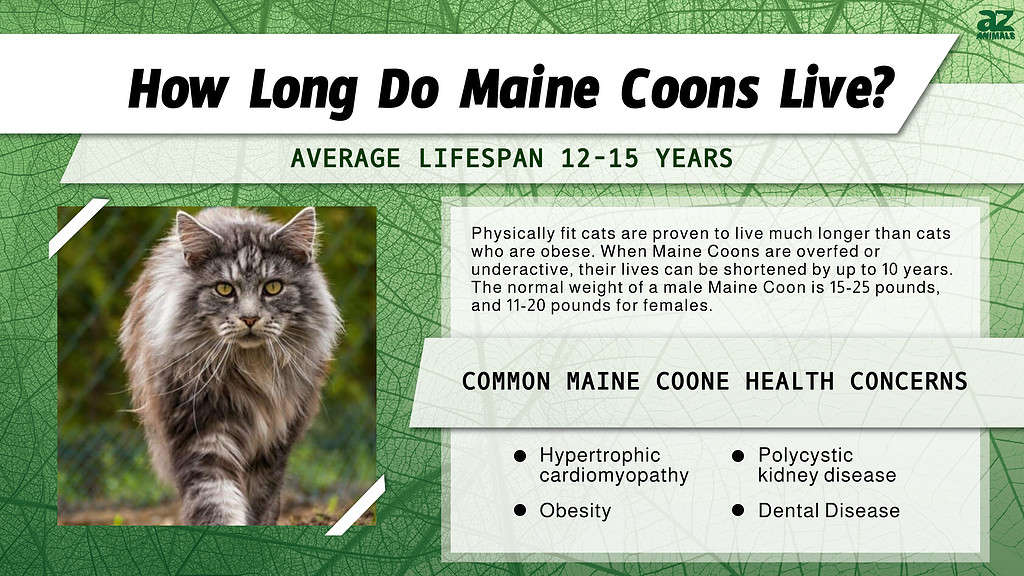
As one of the most beloved cat breeds in the world, the Maine Coon is celebrated for its imposing size, gentle temperament, and tufted, lynx-like ears. For enthusiasts who appreciate the intersection of natural beauty and domestic companionship, understanding the longevity of this majestic breed is essential for long-term care. While the Maine Coon is generally a robust and hardy cat, their life expectancy is influenced by a variety of genetic, environmental, and lifestyle factors. On average, a well-cared-for Maine Coon lives between 12 and 15 years, though many thrive well into their late teens when provided with an optimal environment.
Biological Resilience and Breed Origins
The Maine Coon is a natural breed, hailing from the rugged landscapes of Maine, United States. Historically, these cats were valued as working animals, prized for their ability to navigate harsh winters and control rodent populations in barns and on ships. This heritage has imbued the breed with a physiological resilience that contributes significantly to their lifespan.
The Role of Genetics in Longevity
Because the Maine Coon evolved in the demanding climate of New England, they developed thick, water-resistant coats and muscular frames. These evolutionary traits are not merely aesthetic; they are indicators of a breed designed for durability. However, like many purebred animals, Maine Coons are susceptible to specific hereditary conditions that can impact their lifespan. Responsible breeding practices, including screening for Hypertrophic Cardiomyopathy (HCM) and hip dysplasia, are critical. When breeders prioritize health over size, the resulting kittens are much more likely to reach the upper end of the breed’s average life expectancy.
Adaptability to Different Environments
Whether living in a spacious farmhouse in Vermont or an apartment in New York City, the Maine Coon is remarkably adaptable. Their “dog-like” personality makes them excellent travel companions for those who move between high-end Luxury Resorts or enjoy road trips across the Americas. Because they are generally easy-going, stress levels are kept low, which is a vital component of long-term health. A cat that is comfortable and mentally stimulated is a cat that is less prone to stress-induced illnesses, directly contributing to a longer life.
Lifestyle Management and Preventative Care
Longevity is rarely a matter of luck alone; it is the result of consistent, proactive lifestyle management. Owners who treat their Maine Coon with the same care one might apply when choosing a premium stay at a Four Seasons Hotel are often rewarded with many years of companionship.
Nutrition and Hydration
The Maine Coon’s massive size requires a diet specifically tailored to support bone health and joint integrity. Because they are prone to joint issues, maintaining a healthy weight is the single most important step in preventing premature aging. Obesity puts immense strain on the heart and skeletal system of a large cat. High-quality protein sources, supplemented with Omega-3 fatty acids, help maintain the skin and coat health for which the breed is famous. Furthermore, ensuring consistent hydration—perhaps by utilizing filtered water fountains—helps support renal function as the cat ages, protecting them against common senior-cat ailments.
Routine Veterinary Screenings
For the Maine Coon, the “annual checkup” is a non-negotiable aspect of their life. Because they are a large breed, they can sometimes mask symptoms of pain or discomfort. Establishing a baseline with a veterinarian during their kittenhood allows owners to monitor subtle changes in behavior or weight. Early detection of conditions such as kidney disease or cardiac irregularities can significantly extend a Maine Coon’s life. Even if the cat spends their days in the comfort of a Luxury Villa, they must visit the clinic at least once a year, or twice after they reach the age of ten.
Environmental Factors and Quality of Life
The environment in which a Maine Coon resides plays a major role in their total years of life. While their origins are rooted in the outdoors, modern veterinary and cat-fancy associations strongly recommend an indoor-only lifestyle for maximum longevity.
The Indoor vs. Outdoor Debate
Exposure to the elements, predators, and traffic are significant risks to any cat. For a breed as precious as the Maine Coon, the indoor environment offers a controlled climate where they can be protected from infectious diseases and accidental injury. However, “indoor” should not mean “sedentary.” Providing vertical space, cat trees, and interactive puzzle toys is essential. Maine Coons are intelligent and playful; they require mental stimulation to keep their cognitive functions sharp, much like a traveler keeping their mind engaged by exploring the cultural history of Europe or the architecture of Paris.
Social Interaction and Emotional Health
Maine Coons are notoriously social creatures. They thrive when they are integrated into the daily activities of their human families. Loneliness and boredom can lead to behavioral issues and physical decline. By providing ample social interaction, playtime, and affection, owners reduce the cortisol levels of their pets. A happy, socially connected Maine Coon is far more likely to remain active and healthy well into its senior years. Whether the cat resides in a sprawling estate in California or a cozy home in London, the strength of the bond between pet and owner is a foundational element of the cat’s overall well-being.
Managing the Senior Maine Coon
When a Maine Coon reaches the age of 10 or 12, they enter their senior years. This stage of life requires a shift in approach. Just as one might choose more accessible accommodations—perhaps a ground-floor suite at a Boutique Hotel—the elderly Maine Coon needs an environment that caters to its changing physical capabilities.
Accommodating Mobility Changes
Arthritis can be a reality for older, large-breed cats. Owners should look for signs such as hesitation before jumping or a reluctance to navigate stairs. Introducing pet stairs or ramps to reach high perches, and ensuring that litter boxes are easily accessible without requiring high steps, can alleviate physical stress. Soft, heated bedding can also provide comfort for aging joints, particularly in colder climates like Canada or northern Asia.
Monitoring Behavioral Shifts
In the final years, owners should watch for changes in sleeping patterns, vocalization, or appetite. These are often the first signals that a cat requires adjustments in its environment or care routine. By maintaining a calm, predictable, and supportive household atmosphere, owners can ensure that their Maine Coon’s twilight years are as comfortable and dignified as their youth. The devotion shown by the owner during this period is the final chapter in a long, storied life of a cat that truly serves as a gentle giant within the family. Through a combination of genetic health, proper nutrition, and mindful environmental management, the Maine Coon remains a testament to the beauty and longevity of the feline species.
LifeOutOfTheBox is a participant in the Amazon Services LLC Associates Program, an affiliate advertising program designed to provide a means for sites to earn advertising fees by advertising and linking to Amazon.com. Amazon, the Amazon logo, AmazonSupply, and the AmazonSupply logo are trademarks of Amazon.com, Inc. or its affiliates. As an Amazon Associate we earn affiliate commissions from qualifying purchases.