
The The Breakers Palm Beach stands as a monument to American opulence, a sprawling, Italian Renaissance-style resort that has defined the skyline of Palm Beach for over a century. While guests marvel at the oceanfront vistas, the gilded ballrooms, and the impeccable service, few realize that the answer to who owns this historic institution is rooted in a legacy of American industrialism that remains unbroken to this day. Unlike many of the world’s most iconic hotels, which have been absorbed by global conglomerates or private equity firms, this grand dame remains under the stewardship of its original founding family.

A Legacy of Ownership: The Flagler Estate
The story of the hotel’s ownership is inseparable from the history of the United States. The property was originally built by Henry Morrison Flagler, the industrialist co-founder of Standard Oil and a central figure in the development of Florida. Flagler’s vision for the state was transformative; he extended his Florida East Coast Railway southward, turning sleepy coastal towns into bustling hubs of tourism and commerce.
The Visionary Developer
Flagler first opened the resort in 1896, then known as the Palm Beach Inn. Following a catastrophic fire in 1903, it was rebuilt and rebranded as The Breakers, a name derived from the way the waves crashed against the shore just outside its doors. When the hotel burned down a second time in 1925, the family committed to constructing a fireproof, Italian-inspired masterpiece that would stand the test of time. That structure, completed in 1926, is the one that guests enjoy today.
Multi-Generational Stewardship
Upon Henry Flagler’s passing, the ownership interest passed down through his descendants. To this day, the resort is privately held by the heirs of Henry Flagler. This rare model of family ownership—now spanning more than five generations—has allowed the property to maintain a consistent aesthetic and operational philosophy that differentiates it from properties managed by corporate entities like Marriott International or Hilton Worldwide. The family’s dedication to reinvestment, rather than short-term profit maximization, explains why the resort has retained its character while modernizing its amenities.
The Business Model of Private Luxury
Operating a resort of this magnitude under private, family-owned auspices requires a sophisticated approach to management. While the family retains ownership, they have professionalized the internal operations to ensure the property functions at the highest level of modern luxury.
Balancing Preservation and Modernization
The primary challenge for any historic landmark is keeping the guest experience relevant. The ownership group frequently invests tens of millions of dollars into capital improvements. These projects range from updating room technologies and seismic retrofitting to the redesign of swimming pools and the curation of high-end dining experiences. Because the family does not answer to public shareholders, they have the luxury of adopting a long-term horizon. Decisions regarding the aesthetic direction of the lobby or the implementation of new environmental sustainability protocols are made with the intent of preserving the legacy for the next hundred years.

A Culture of Excellence
This management style filters down to the employee experience. With low turnover rates that are virtually unheard of in the hospitality sector, the staff at the resort often view themselves as curators of a historical treasure. This sense of pride is evident in the service, which remains deeply personal and attentive. When guests stay at a property owned by a monolithic brand, the service is dictated by brand-wide manuals; at this resort, the service is driven by the family’s mandate to maintain the “Flagler standard.”
The Breakers as a Landmark of Florida History
Beyond the balance sheets and ownership structures, the property is a vital piece of the architectural and cultural landscape of the Sunshine State. Its influence extends far beyond its own gates.
Architectural Significance
Inspired by the Villa Medici in Rome, the current design is a masterclass in grandiosity. The architecture serves as a bridge between European classicism and the burgeoning Mediterranean Revival style that defined South Florida during the 1920s. By keeping the property in private hands, the integrity of this design remains protected from the homogenization that often occurs when hotels undergo frequent changes in ownership or management.
Impact on Palm Beach
The ownership’s influence on the surrounding area cannot be overstated. By acting as an anchor for the local economy, the resort helps stabilize the high-end real estate market and supports local artisans, culinary suppliers, and service providers. It remains a focal point for society events, international business conferences, and, most importantly, the preservation of the refined, quiet luxury that characterizes the town of Palm Beach Island.
Why Ownership Matters to the Guest
Why should a guest care about the family behind the hotel? In the modern era of travel, transparency is increasingly scarce. Understanding that the property is not a nameless asset on a balance sheet provides a sense of authenticity.
The “Private” Difference
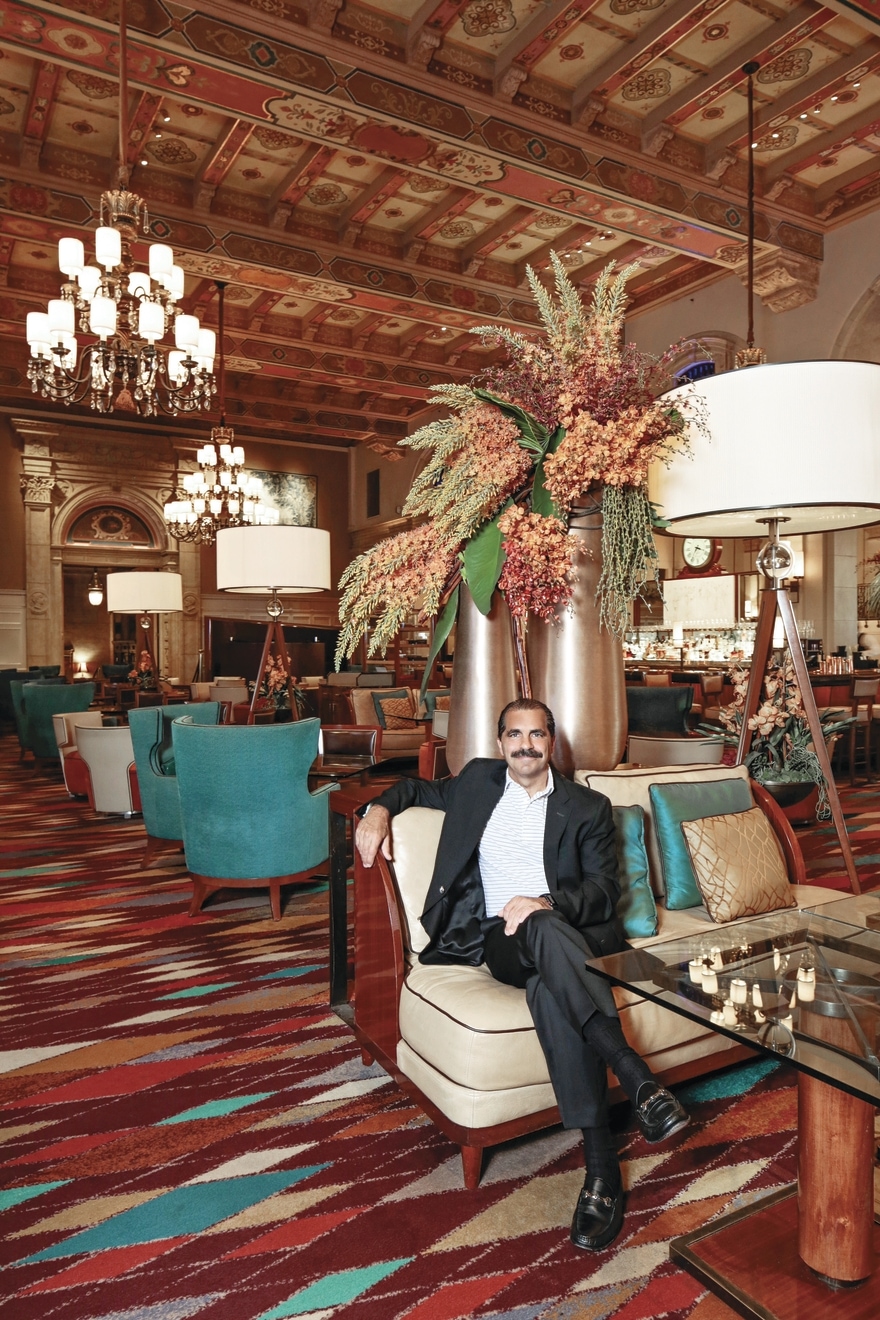
When you walk through the Circle Dining Room or stroll across the Ocean Lawn, you are experiencing a space curated by people, not a corporate committee. This ownership structure fosters a unique environment where the resort feels like a home rather than a facility. It allows for the integration of custom art collections, family-curated historical displays, and a level of attention to detail that is often lost in “optimized” hotel environments.
A Promise for the Future
The current ownership structure signals a commitment to permanence. For travelers who value consistency, knowing that the property is shielded from the volatility of corporate acquisitions provides peace of mind. As long as the Flagler family maintains its involvement, the resort remains a living entity—an evolving, yet steadfast, reminder of the Gilded Age. Whether you are a frequent visitor or a first-time guest, recognizing the hands that have held this property for over a century adds a layer of depth to every stay, turning a simple vacation into an engagement with one of the most remarkable stories in American hospitality.
LifeOutOfTheBox is a participant in the Amazon Services LLC Associates Program, an affiliate advertising program designed to provide a means for sites to earn advertising fees by advertising and linking to Amazon.com. Amazon, the Amazon logo, AmazonSupply, and the AmazonSupply logo are trademarks of Amazon.com, Inc. or its affiliates. As an Amazon Associate we earn affiliate commissions from qualifying purchases.