
When travelers envision Miami, the imagery is almost universally tropical: swaying palm trees, shimmering turquoise waters, and the endless, humid heat of a subtropical climate. Known globally as a sun-drenched playground, the “Magic City” is rarely associated with the word “cold.” However, for those planning a trip to this iconic Florida destination, understanding the nuance of the winter season is essential for packing correctly and managing expectations. While you will likely never need a heavy parka, the mercury can occasionally dip low enough to warrant a light jacket, providing a refreshing break from the sweltering heat that defines the rest of the year.

Understanding the Subtropical Climate
To grasp why Miami occasionally feels cool, one must look at its geography. Situated on the southern tip of the United States, it sits firmly within the Tropics. This means the city experiences two distinct seasons: a hot, humid, and wet summer, and a relatively dry, mild winter.
The Dynamics of Winter Temperatures
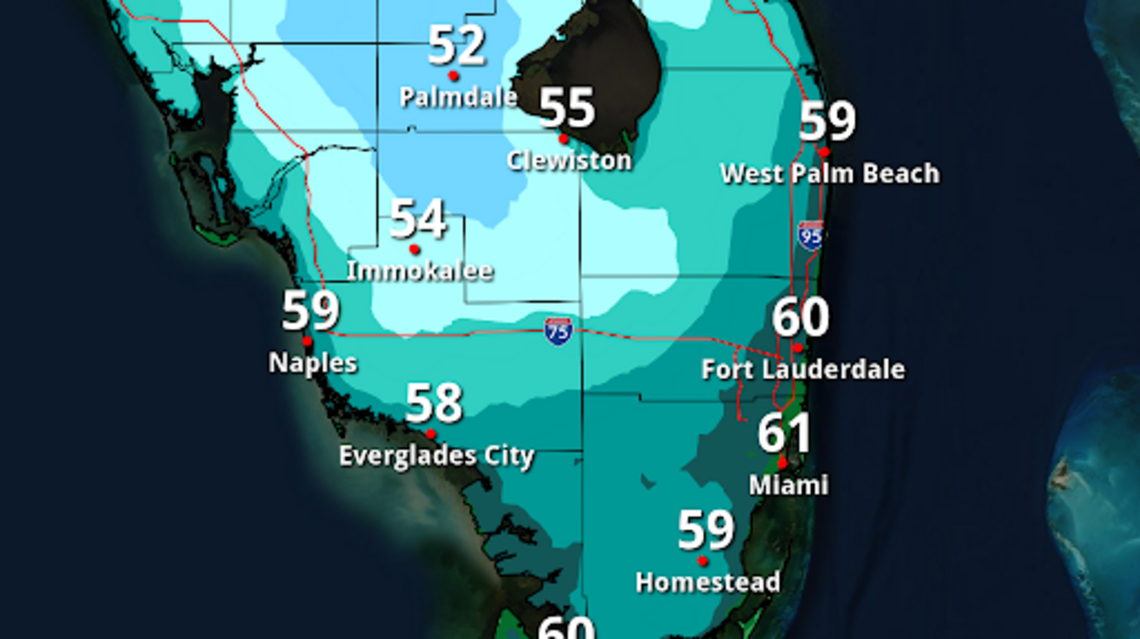
During the peak of winter—typically December through February—daytime highs in Miami usually hover in the mid-70s Fahrenheit (around 24°C). This is arguably the most pleasant time to visit, as the stifling humidity of summer is replaced by crisp, clear air and glorious sunshine. However, nightfall brings a change. When the sun dips below the horizon, temperatures can drop into the 60s, or occasionally the 50s. While residents who have lived in the tropics their whole lives might reach for a sweater when it hits 65 degrees, many visitors from northern climates find this to be perfect outdoor weather.
The “Cold Front” Phenomenon
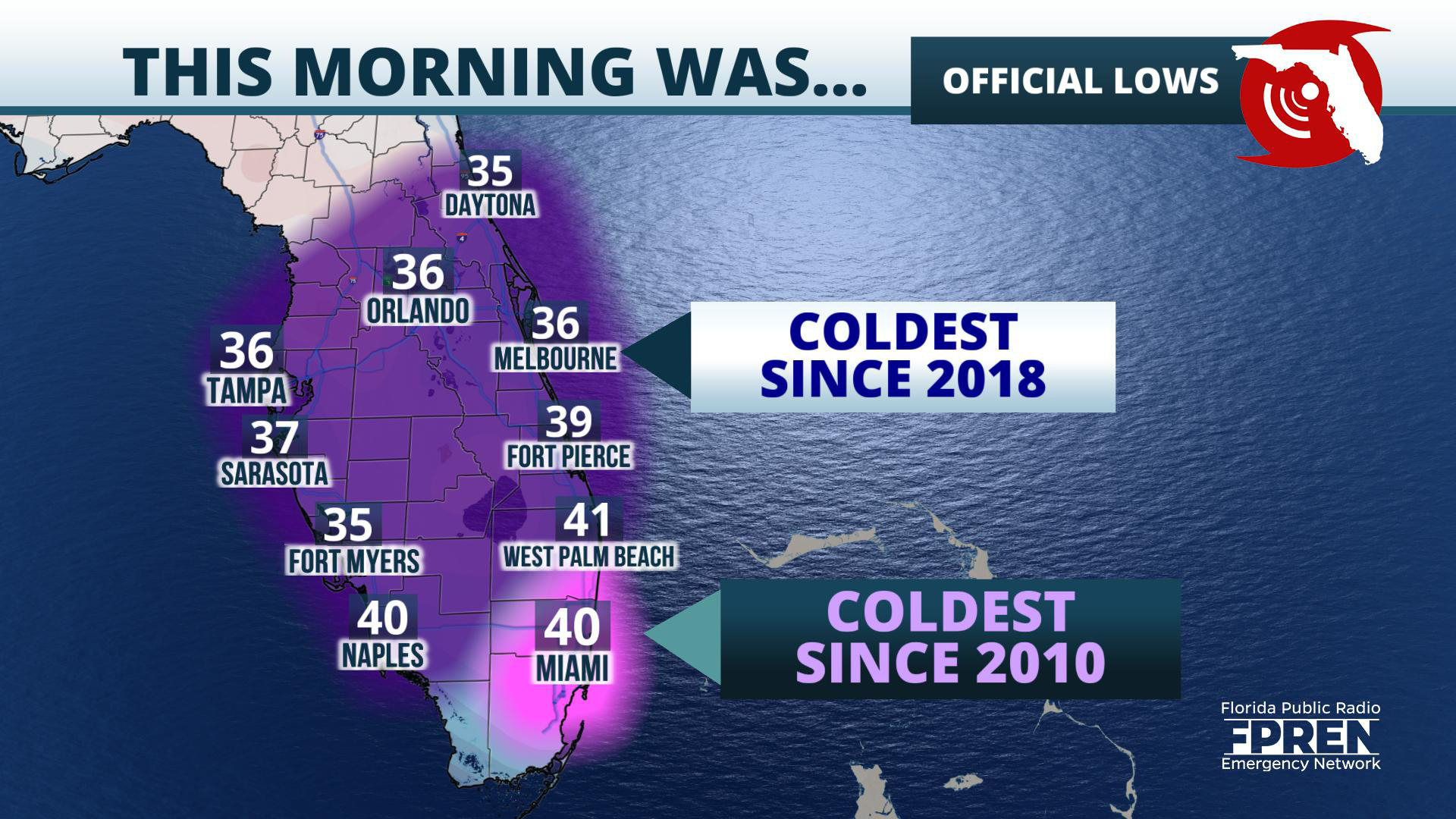
The occasional “cold snaps” that hit South Florida occur when arctic air masses travel down the North American continent. These weather systems can push temperatures down into the 40s. While these events are brief, they are sharp, and they transform the city’s atmosphere. You might find the beaches less crowded and the outdoor dining patios at places like Lincoln Road suddenly empty as people retreat indoors to enjoy the warmth of a heated lounge.
What to Expect Month by Month
Knowing exactly when to visit can help you decide how much warm clothing to pack. While the variance is slight compared to the seasonal shifts seen in New York City or London, it is noticeable enough to impact your travel itinerary.
December and January: The Coolest Window
These are the months where the word “cold” enters the local vernacular. January is statistically the coolest month of the year. You should be prepared for cool mornings where a light layer is necessary for a brisk walk along South Beach. If you are planning an evening excursion to Ocean Drive, a denim jacket or a light cardigan is highly recommended. The ocean breeze adds a wind-chill factor that can make the air feel colder than the thermometer reading suggests.
February: The Transition Period
By February, the city begins its slow climb back toward higher temperatures. You will still experience cool evenings, but the risk of a significant cold front diminishes as spring approaches. This is a popular time for festivals and outdoor art events, where the weather is consistently comfortable for hours of standing or walking without the fatigue of extreme heat.
March: Spring Warmth
By March, the “cold” is largely a memory. The air loses its crisp edge, and the ocean temperature begins to rise, making water activities more appealing again. If you have any sensitivity to cooler temperatures, March is the ideal month to visit, as it captures the best of the pleasant weather before the early spring humidity begins to creep back in.
Strategic Packing for Miami Weather
One of the biggest mistakes visitors make is over-packing winter gear for a trip to Miami. Because the “cold” is so infrequent and mild, you do not need heavy coats, scarves, or boots. Instead, embrace the philosophy of layering.
The Power of Layers
The best way to handle Miami’s weather is to bring versatile clothing. A light hoodie or a stylish bomber jacket will suffice for almost any evening outing. During the day, you will likely be in shorts, sundresses, or linen trousers, so having a sweater that you can easily tie around your waist or stow in a beach bag is a professional traveler’s strategy.
Footwear Considerations
Since you won’t be dealing with snow or ice, leave the heavy, insulated boots at home. A comfortable pair of walking shoes for exploring the Art Deco Historic District and a pair of sandals for the beach are all you really need. If you are attending a high-end dinner or visiting an upscale venue in Brickell, simple flats or loafers are perfectly appropriate and comfortable even on the rare chilly night.
Why “Cold” is Relative
It is important to remember that for the people of Miami, “cold” is a relative term. When the temperature drops below 70 degrees, you will see locals wearing puffer vests and boots, not necessarily because the weather is arctic, but because they have acclimated to the tropical norm. As a visitor, your experience will depend entirely on your home climate. If you are arriving from a place currently experiencing sub-zero temperatures, Miami in January will feel like an absolute paradise—warm, sunny, and incredibly inviting.
Making the Most of the Cooler Days
Don’t let a “cold” forecast deter your vacation. In fact, some of the best activities in the city are actually more enjoyable when the thermometer isn’t pushing 90 degrees.
Exploration Without the Exhaustion
When the weather is slightly cooler, it is the perfect time to explore urban centers like Wynwood Walls or the Design District. Walking for hours among art installations and boutiques is far more sustainable when you aren’t fighting the midday sun. You can enjoy a long, leisurely lunch at an outdoor café in Little Havana without the distraction of extreme heat, allowing you to truly soak in the vibrant atmosphere.
Wildlife and Nature
Cooler days are also prime time for visiting the Everglades National Park. In the heat of the summer, the park can be buggy and intense. During a cool spell, the mosquitoes are less active, and the wildlife, including alligators, is often more visible as they bask in the limited sunshine. A trek through the mangroves or an airboat tour is significantly more pleasant when the air has a bite to it.
Ultimately, Miami remains a destination of perpetual warmth. The “cold” here is an invitation to enjoy the city in a different light—one where the pace slows down, the fashion becomes a bit more layered, and the outdoor lifestyle remains as accessible as ever. By planning accordingly and keeping a light layer at the ready, you can enjoy the magic of this coastal city regardless of the date on the calendar. Whether it is a sunny 75 or a brisk 55, the charm of the Atlantic Ocean coastline and the cosmopolitan energy of Miami will ensure your trip is nothing short of memorable.
LifeOutOfTheBox is a participant in the Amazon Services LLC Associates Program, an affiliate advertising program designed to provide a means for sites to earn advertising fees by advertising and linking to Amazon.com. Amazon, the Amazon logo, AmazonSupply, and the AmazonSupply logo are trademarks of Amazon.com, Inc. or its affiliates. As an Amazon Associate we earn affiliate commissions from qualifying purchases.