
The glittering skyline of Las Vegas is defined by its iconic resorts, but few command the architectural and aesthetic prestige of the Wynn Las Vegas. As one of the most recognizable structures in Nevada, it represents the pinnacle of modern luxury. Understanding who owns this titan of hospitality requires a deep dive into the corporate evolution of the gaming and resort industry, moving away from the era of individual moguls toward the age of massive, publicly traded entities.
The Corporate Structure: Wynn Resorts, Limited
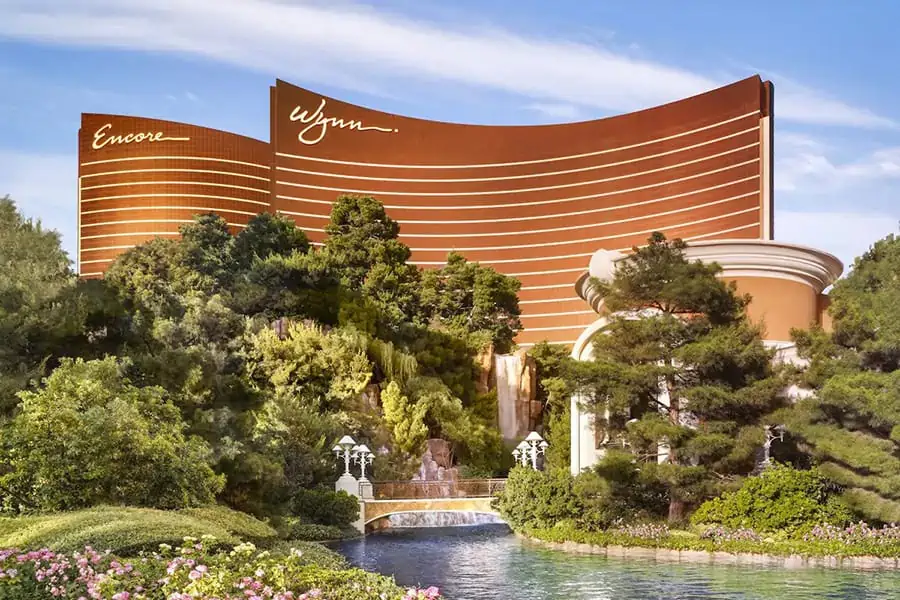
The Wynn Las Vegas is not owned by a single individual, but rather by Wynn Resorts, Limited, a publicly traded company listed on the NASDAQ under the ticker symbol WYNN. This corporate entity acts as the parent organization for the resort’s extensive operations, including its sister property, the Encore Las Vegas, as well as international ventures like Wynn Macau and Wynn Palace.
The Evolution of Ownership
When the resort first opened its doors in 2005, the identity of the brand was inextricably linked to its founder, Steve Wynn. As a visionary in the gaming industry, he was the face of the organization, responsible for the design, construction, and operational philosophy of the properties. However, following his resignation from the company in 2018, the management and long-term strategic direction shifted significantly. Today, Wynn Resorts, Limited is governed by a board of directors and a leadership team focused on institutional stability and global expansion.
Shareholders and Institutional Influence
Because the company is publicly traded, its ownership is technically distributed among thousands of institutional investors, mutual funds, and individual shareholders. Large asset management firms often hold significant stakes in Wynn Resorts, Limited, influencing the resort’s corporate governance. This structure ensures that the Wynn Las Vegas remains accountable to market standards and performance benchmarks, rather than the personal whims of a single owner.
The Legacy of the Property and Its Assets
While the corporation owns the land and the operational assets, the identity of the Wynn Las Vegas remains tethered to its original vision. The property sits on the site of the former Desert Inn, a historic hotel that once hosted the high-rollers of the mid-20th century. By demolishing this relic, Wynn Resorts, Limited created a blank canvas upon which to build one of the most profitable resorts in North America.
Integration of the Encore Las Vegas
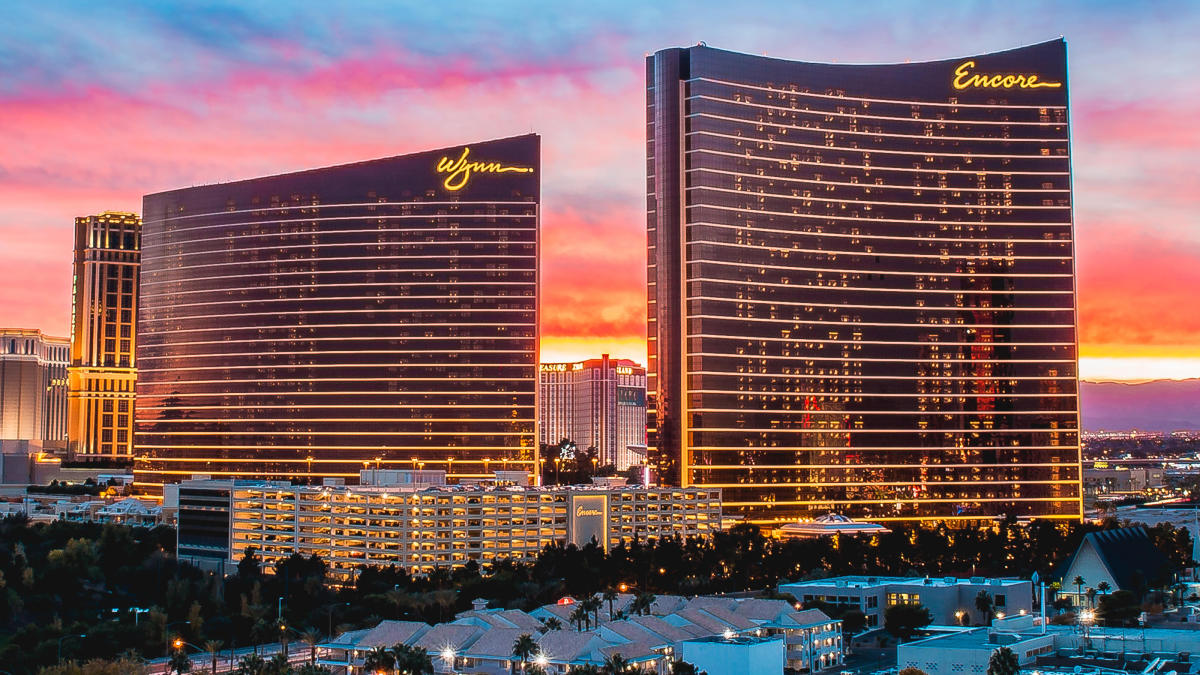
The property is inextricably linked to the Encore Las Vegas, which opened in 2008. Together, these two towers form a massive, integrated campus. While the two hotels function as distinct entities with different room configurations and amenity packages, they are managed under the same umbrella. The synergy between these resorts allows for a massive range of luxury accommodations, high-end shopping, and culinary experiences that define the modern Las Vegas Strip.

Global Brand Consistency
The ownership model prioritizes brand consistency. Whether a guest is staying at the flagship Wynn Las Vegas or visiting a property in China, the standards of service, interior design, and gaming excellence are designed to be uniform. This corporate-wide strategy ensures that Wynn Resorts, Limited remains a dominant force in the international tourism and hospitality market.
Governance, Leadership, and Strategy
The day-to-day operation of the Wynn Las Vegas is handled by executives appointed by the board of directors. Following the transition in leadership in 2018, the company shifted toward a more collaborative executive approach, moving away from the singular leadership style of its founder. This change was significant in shaping the current culture of the resort, which emphasizes sustainable growth and high-end guest experiences.
The Role of the Board of Directors
The board plays a critical role in the oversight of all Wynn Resorts, Limited properties. They determine executive compensation, approve major capital expenditures, and set policies regarding corporate social responsibility. This oversight is vital in the gaming industry, where compliance with regulations in states like Nevada and regions like Macau is strictly enforced by gaming commissions.
Future Outlook and Expansion
Under the current ownership and management structure, the focus remains on the “luxury-first” model. Future developments, such as the Wynn Al Marjan Island in the United Arab Emirates, demonstrate that the ownership group is actively seeking to export the brand’s success beyond its traditional roots. By diversifying its portfolio, the company ensures that it is not solely dependent on the economic cycles of Las Vegas, providing a buffer for shareholders and employees alike.
Why Ownership Matters to the Guest Experience
For the average visitor, the question of “who owns the hotel” may seem like a matter of corporate trivia, but it directly impacts the quality of the stay. Publicly traded companies like Wynn Resorts, Limited have a fiduciary duty to generate profits, which often drives them to continually reinvest in their properties. This is why the Wynn Las Vegas remains consistently updated, with modern technological upgrades in suites, fresh culinary concepts, and regular refurbishments of casino floors.
The Standard of Luxury
Because Wynn Resorts, Limited aims to maintain the reputation of the Wynn brand, they are compelled to maintain impeccable standards. Guests visiting from New York, London, or Tokyo expect a certain level of elegance. This corporate pressure to maintain “five-star” status across all metrics—from the concierge services to the upkeep of the conservatory—is a direct result of the ownership group’s desire to keep the Wynn name synonymous with excellence.
Community and Economic Impact
Beyond the luxury rooms and high-stakes gaming, the ownership of the resort has a significant impact on the local economy of Nevada. As one of the largest employers in the region, Wynn Resorts, Limited is heavily involved in local labor policies, sustainability initiatives, and community development. The decisions made by the company’s leadership have a ripple effect on thousands of families, illustrating that the ownership of a major resort is as much about corporate citizenship as it is about profit margins.
In summary, while the legacy of Steve Wynn continues to influence the architecture and aesthetic of the Wynn Las Vegas, the property is firmly in the hands of Wynn Resorts, Limited. Through a combination of institutional ownership, professional board governance, and a clear strategic vision, the resort continues to serve as a beacon of high-end travel and hospitality on the Las Vegas Strip, ensuring that its influence remains global in scope and local in its commitment to luxury.
LifeOutOfTheBox is a participant in the Amazon Services LLC Associates Program, an affiliate advertising program designed to provide a means for sites to earn advertising fees by advertising and linking to Amazon.com. Amazon, the Amazon logo, AmazonSupply, and the AmazonSupply logo are trademarks of Amazon.com, Inc. or its affiliates. As an Amazon Associate we earn affiliate commissions from qualifying purchases.