
Navigating the complexities of property law in New Mexico requires a nuanced understanding of land ownership, especially when multiple parties hold title to the same plot. For those involved in the American Southwest real estate market—whether you are managing historic ranch land near Santa Fe or developing residential property in Albuquerque—the question of whether a single co-tenant can grant an easement is a critical legal hurdle. An easement, which is a non-possessory right to use another person’s land for a specified purpose, carries significant weight. When multiple owners share a deed, the question arises: can one person unilaterally burden the property with such a right?
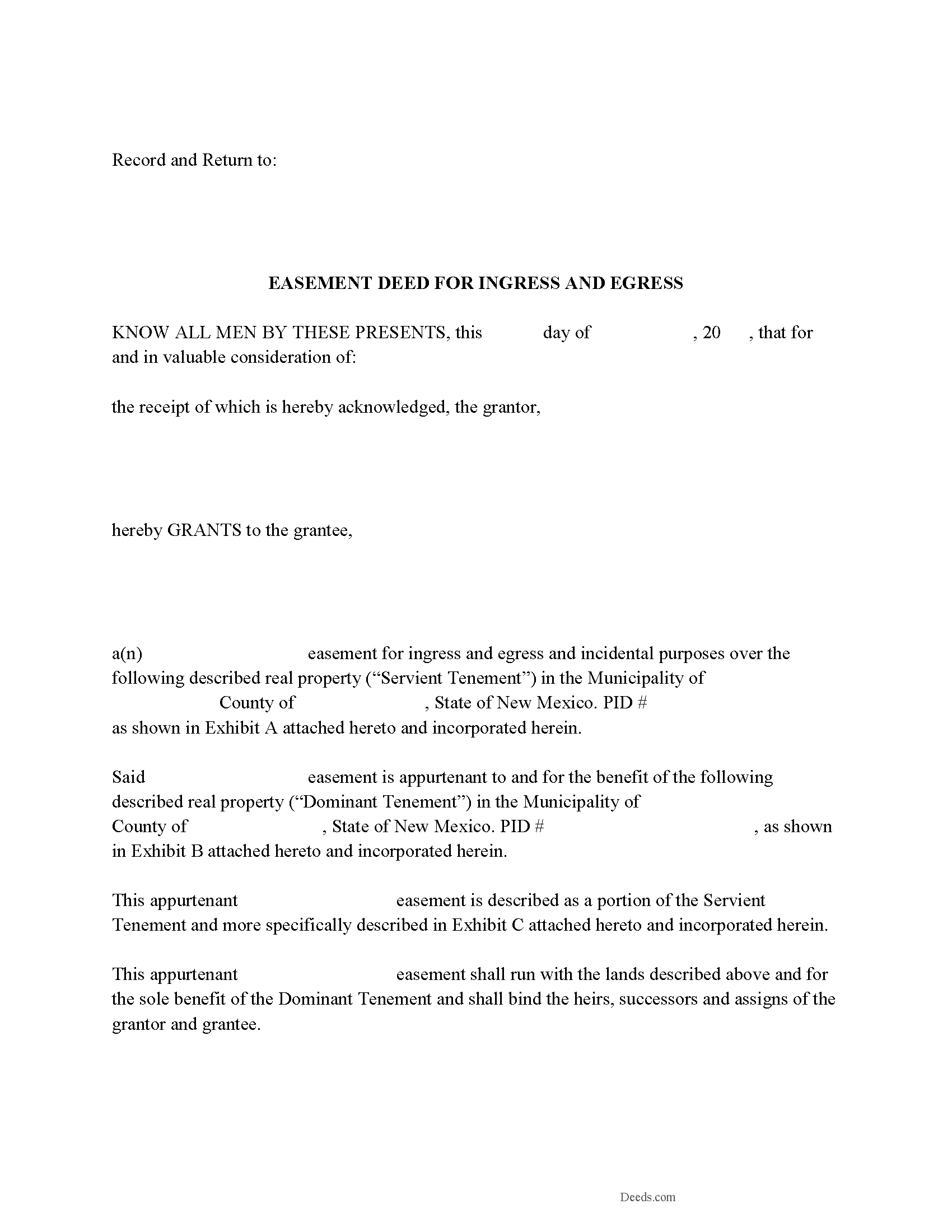
The Legal Framework of Tenancy in Common and Joint Tenancy
To understand easement authority, one must first distinguish between the types of co-ownership prevalent in New Mexico. Most properties held by more than one person are classified either as a tenancy in common or a joint tenancy with rights of survivorship. Each co-tenant holds an undivided interest in the property, meaning that theoretically, each owner has the right to possess and use the entire parcel.
The Principle of Unanimity
Under the general common law principles applied across the United States, the governing rule is that one co-tenant cannot grant an easement that binds the entire property without the consent or joinder of the other co-tenants. Because an easement is an interest in land that diminishes the value and utility of the whole, it is generally considered an act that requires the collective agreement of all title holders.
Exceptions and Contractual Agreements
While the default rule emphasizes unanimity, legal exceptions can occur. If the co-tenants have entered into a formal operating agreement or a development contract that designates one party as the managing member with power of attorney, that individual may possess the legal authority to grant easements. Furthermore, if a co-tenant acts on behalf of the others with their explicit or implied consent—a doctrine known as apparent authority—the easement might be enforceable, though this often leads to protracted litigation if other owners challenge the grant.
The Implications for Land Development and Access
Granting an easement—such as a driveway access, utility line passage, or conservation right—is a permanent or long-term commitment that attaches to the land, not just the individuals who signed the agreement. In New Mexico, where vast tracts of land are frequently divided for development or agricultural use, unauthorized easements can derail major projects.
Protecting Property Value
If a single co-tenant unilaterally grants a utility easement across a prime piece of real estate, the remaining owners may find their ability to build or subdivide the land compromised. Courts in Santa Fe County or Bernalillo County are generally protective of property rights. When a non-consenting owner challenges an unauthorized easement, they often seek an injunction to stop construction or a declaratory judgment to void the easement agreement entirely.
Practical Considerations for Third-Party Beneficiaries
For entities seeking an easement—such as utility companies or nearby property owners—performing thorough title research is paramount. Simply relying on the signature of one co-tenant is a risky strategy. Before finalizing any agreement, the grantee should confirm:
- The exact legal nature of the ownership structure.
- Whether the property is subject to an underlying HOA agreement, such as those found in luxury communities like Las Campanas.
- Whether a power of attorney document has been recorded that explicitly authorizes one tenant to act on behalf of others.

Resolving Disputes and Validating Easements
If an easement has already been granted by a single co-tenant without unanimous consent, the situation is rarely beyond repair. Disputes in New Mexico are often settled through negotiation, ratification, or judicial intervention.
Ratification by Non-Consenting Owners
Sometimes, the non-consenting co-tenants may choose to ratify the easement after the fact. If the easement provides a clear benefit to the property—such as improved road access that increases the market value of the entire tract—the other owners may sign a formal document of ratification. This effectively “cures” the defect in the initial grant, turning a potentially voidable agreement into a binding, legal encumbrance.
Partition Actions
In more contentious situations, where one owner wants to grant an easement but the others refuse, the property may be subject to a partition action. In a partition, a court divides the property into separate, distinct parcels if possible, or forces the sale of the property. Once a property is partitioned, the individual who gained the specific interest can unilaterally grant an easement over their newly severed share. This is a common, albeit expensive, method of resolving deadlocks in family-held land or business-held real estate investments.
The Role of Quiet Title Actions
When the validity of an easement remains in flux, parties often turn to a “Quiet Title” action. This is a lawsuit brought to establish a party’s title to real property against anyone and everyone, and thus “quiet” any challenges or claims to the title. A judge will review the deed, the easement document, and the intent of the co-tenants to determine if the easement is valid. This process is essential for clearing up title clouds before selling property or seeking financing from institutions operating in the Western United States.
Best Practices for Co-Tenants and Grantees
To avoid the legal complexities associated with unilateral easement grants, stakeholders should prioritize transparency and formal documentation.
For Co-Tenants: Establish Clear Communication
Co-tenancy is often a source of friction when goals regarding land use diverge. Before entering into any agreement that affects the property, all owners should meet to discuss the potential impacts. If one owner feels they need more autonomy, consider drafting a co-tenancy agreement that outlines the specific procedures for granting easements, including quorum requirements and dispute resolution mechanisms. This is particularly vital for properties near historic landmarks like Taos Pueblo or environmentally sensitive areas where land-use regulations are strict.
For Grantees: Due Diligence is Non-Negotiable
Entities or individuals seeking an easement should always require the signatures of all owners listed on the deed. If a co-tenant claims to have sole authority, insist on reviewing the recorded documentation that grants them that power. In New Mexico, where property records are maintained at the county clerk level, a quick title search can prevent years of litigation. Relying on a single signature in a state that prides itself on strong property rights is a gamble that rarely pays off in the long run.

Seeking Legal Counsel
Given the variations in state law and the specific nuances of local ordinances in places like Roswell or Las Cruces, consulting with a real estate attorney is the most prudent step. Laws regarding property interests can change, and judicial interpretations can vary from one district court to the next. By securing professional advice, you ensure that your property rights remain protected and that any easements granted are ironclad and enforceable.
Ultimately, while the instinct to act unilaterally may be tempting for a co-tenant looking to streamline a transaction, the reality of New Mexico property law dictates a collaborative approach. Unanimity is the standard, and by respecting the collective rights of all co-tenants, owners can ensure the long-term viability, marketability, and legal security of their land investments across the beautiful and rugged landscape of the Land of Enchantment.
LifeOutOfTheBox is a participant in the Amazon Services LLC Associates Program, an affiliate advertising program designed to provide a means for sites to earn advertising fees by advertising and linking to Amazon.com. Amazon, the Amazon logo, AmazonSupply, and the AmazonSupply logo are trademarks of Amazon.com, Inc. or its affiliates. As an Amazon Associate we earn affiliate commissions from qualifying purchases.