
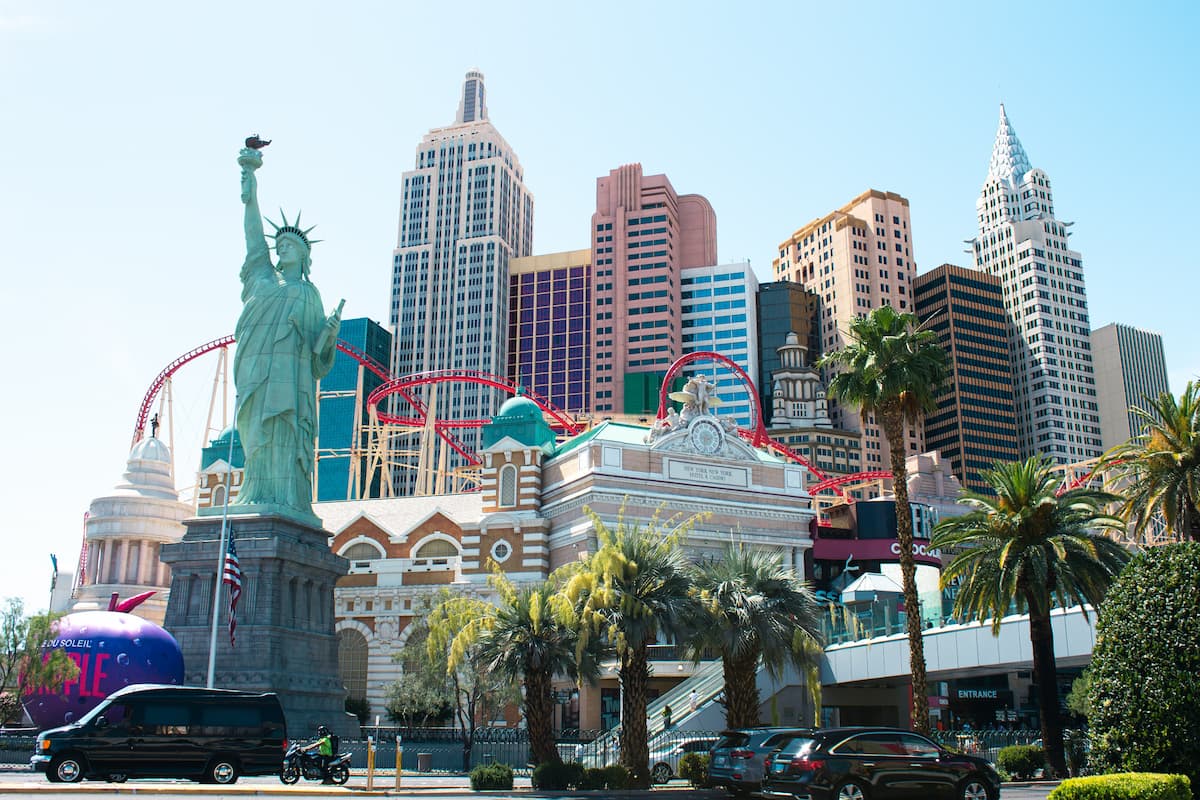
For decades, travelers have marveled at the financial paradox of Las Vegas. In most major global tourist hubs, prime real estate and luxury amenities command exorbitant nightly rates. Yet, in the heart of the Nevada desert, it is often possible to secure a room at a world-class resort for the price of a budget motel elsewhere. This pricing strategy is not a mistake or a sign of diminishing quality; rather, it is a masterclass in economic engineering designed to maximize total guest spend rather than hotel room revenue alone.
The Loss Leader Strategy: The Room as a Gateway
The fundamental reason for the low cost of hotel rooms in Las Vegas is the concept of the “loss leader.” In retail, a loss leader is a product sold at a price that is not profitable but is intended to attract new customers. On the Las Vegas Strip, the hotel room is the loss leader.
Maximizing Foot Traffic
Resorts like the MGM Grand or Caesars Palace function differently than a typical hotel. Their primary goal is to get the guest physically onto the property. Once a guest is checked in, the likelihood that they will spend money at the resort’s various profit centers—casinos, restaurants, nightclubs, and retail shops—increases exponentially. By keeping room rates artificially low, these properties ensure high occupancy levels, which guarantees a consistent stream of potential customers circulating through the casino floor.
The Mathematics of Gaming Revenue
Historically, the casino floor has been the primary revenue generator for these resorts. Even as modern resorts have shifted toward a more balanced revenue model—incorporating high-end dining and entertainment—the “house edge” remains the bedrock of Las Vegas profitability. If a guest saves $100 on their room rate, they are statistically more likely to view that money as “disposable” for gaming, shopping, or dining, ultimately returning the difference (and often much more) to the resort’s bottom line.
Diversified Revenue Streams: Beyond the Casino Floor
While the gaming floor remains central to the Las Vegas identity, the city has evolved into a comprehensive entertainment capital. This diversification allows hotels to subsidize their room rates through non-gaming activities that were once considered secondary.
Dining and Nightlife Dominance
Resorts such as The Venetian and Wynn Las Vegas have transformed into culinary destinations. By hosting Michelin-starred chefs and world-renowned nightclubs, these hotels generate massive revenue from food and beverage sales. A guest might pay $89 for a room, but they will likely spend $200 on dinner and $150 on cocktails over the course of an evening. The low room rate acts as a psychological incentive for guests to justify spending more on luxury “experiences” that carry significantly higher profit margins than a standard hotel bed.
The Power of Retail and Conventions
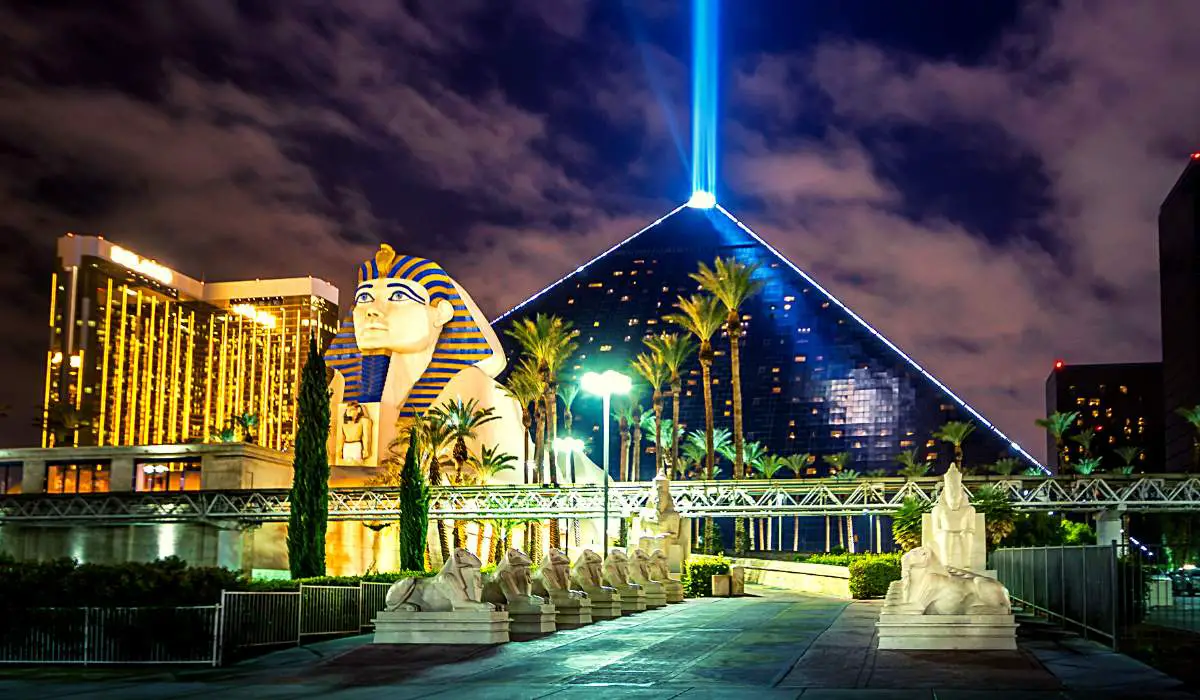
Las Vegas is also a premier destination for corporate events and conventions, largely centered around the Las Vegas Convention Center. By maintaining a large inventory of rooms, hotels can attract massive crowds for trade shows, which guarantees occupancy even during traditionally slow mid-week periods. When you combine high-volume convention traffic with high-end luxury retail corridors, the hotel room becomes just one small part of an integrated, high-velocity spending ecosystem.
Occupancy Management and Dynamic Pricing
The apparent “cheapness” of Las Vegas is also a result of highly sophisticated yield management. The city’s hotels are massive, often housing thousands of rooms. Maintaining high occupancy is critical because an empty room is a wasted asset that generates zero revenue.
The Mid-Week Strategy
If you have ever searched for hotel rates in Las Vegas, you have likely noticed a staggering difference between Tuesday night and Saturday night rates. On weekends, when demand from domestic tourists is at its peak, prices surge to reflect market value. Conversely, during the middle of the week, the sheer number of rooms available necessitates lower pricing to keep the hotels from sitting empty. This variability allows the city to capture the budget-conscious traveler during lulls, ensuring that the Bellagio or The Cosmopolitan of Las Vegas remains active and profitable around the clock.
Resort Fees and Hidden Costs
It is important to address the elephant in the room: resort fees. While the base rate for a room might be low, the final invoice often tells a different story. These mandatory daily fees cover amenities like pool access, fitness centers, and high-speed internet. By separating the room rate from these ancillary fees, resorts can advertise an attractive, lower price to draw in customers via comparison websites, while still capturing the necessary revenue to maintain their expansive, high-maintenance facilities.
Supply and Competition in the Desert
Finally, the economics of Las Vegas are influenced by the massive scale of the hotel market. Because the city has such a high density of massive resorts in a relatively small geographic area, competition is fierce.
Economies of Scale
Unlike a boutique hotel in New York City or London, where space is at a premium and room inventory is limited, Las Vegas properties benefit from economies of scale. Managing 3,000 rooms under one roof allows for optimized operational efficiency. The cost of labor, cleaning, and maintenance is distributed across a massive volume of guests, allowing the resorts to keep individual room costs lower than a smaller, independent hotel operator could possibly afford.
Market Saturation
The saturation of the market forces hotels into a constant state of promotional warfare. Brands like Mandalay Bay and Park MGM are constantly competing for the same pool of visitors. This environment keeps downward pressure on base room rates, as any resort that significantly overprices its rooms risks losing potential guests to a competitor just across the street.

Conclusion: The Value of the Experience
Ultimately, the “cheap” rooms in Las Vegas are a testament to the city’s unique business model. By treating the room as an entry point rather than the final product, Las Vegas creates an environment where luxury is accessible to the masses. The next time you find an unbelievably low rate for a suite in a Nevada resort, remember that you aren’t just buying a place to sleep—you are being invited into a carefully crafted ecosystem designed to ensure you have everything you need to spend, play, and stay entertained at every turn.
LifeOutOfTheBox is a participant in the Amazon Services LLC Associates Program, an affiliate advertising program designed to provide a means for sites to earn advertising fees by advertising and linking to Amazon.com. Amazon, the Amazon logo, AmazonSupply, and the AmazonSupply logo are trademarks of Amazon.com, Inc. or its affiliates. As an Amazon Associate we earn affiliate commissions from qualifying purchases.