
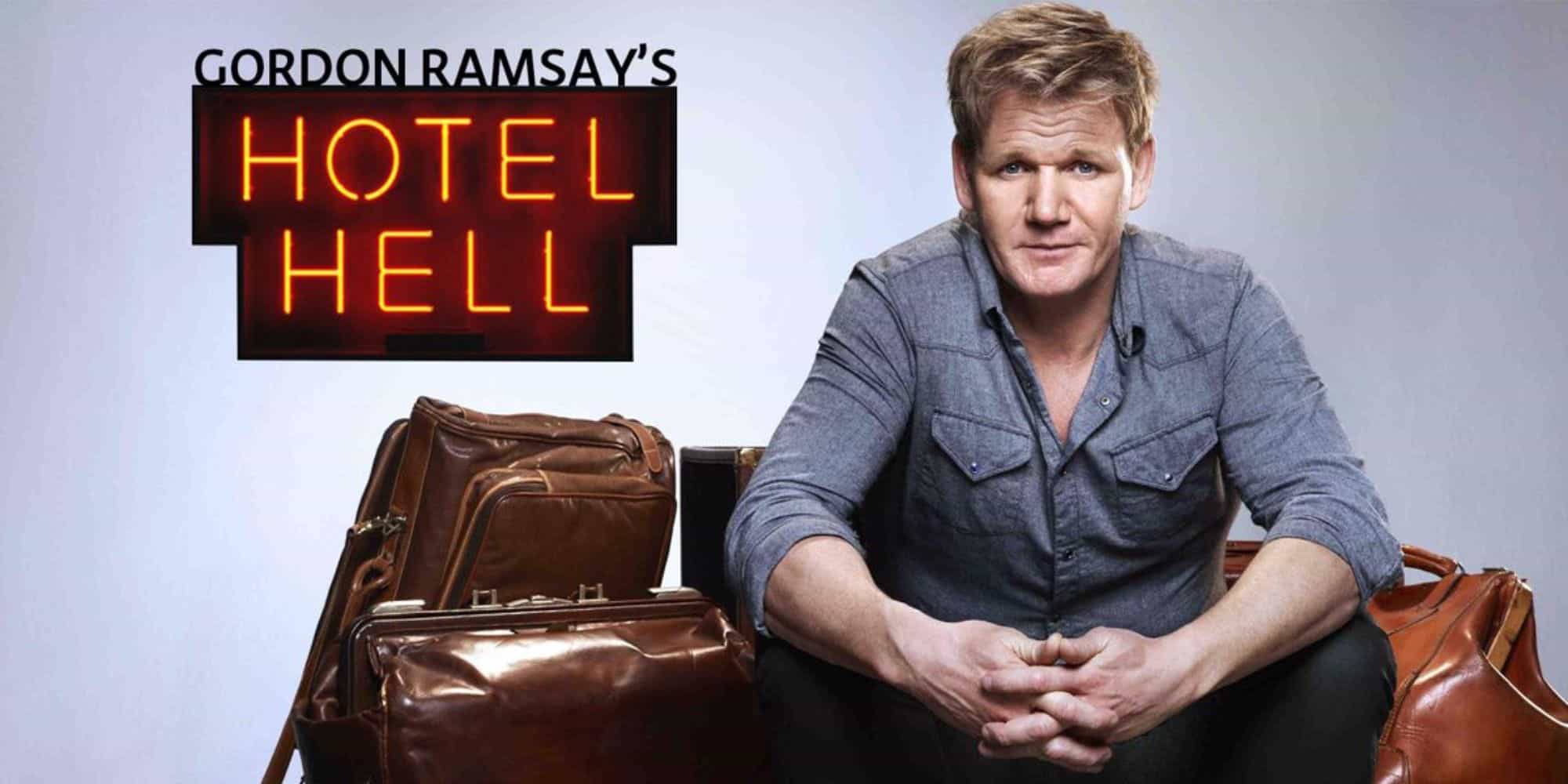
When Gordon Ramsay first brought his signature brand of fiery perfectionism to the hospitality industry in 2012, Hotel Hell seemed destined for a long run. Much like his smash hit Kitchen Nightmares, the premise was simple yet addictive: a world-renowned chef travels to struggling United States properties, exposing everything from filthy kitchens to management incompetence. Yet, after three seasons of dramatic makeovers and scathing critiques, the show quietly faded from the airwaves. Understanding the cancellation of this series requires a deeper look into the evolving dynamics of the hospitality sector and the realities of reality television production.
The Production Challenges of Reality Hospitality
Producing a show centered on the transformation of an actual business is exponentially more difficult than orchestrating a cooking competition. Unlike a restaurant, which operates primarily in a kitchen and dining room, a hotel is a complex, 24-hour ecosystem involving housekeeping, laundry services, front desk operations, and structural maintenance.
The Logistical Nightmare of Renovations
The core appeal of the show was the “big reveal” at the end of each episode. However, renovating a lobby, several guest rooms, and exterior facades within a tight television production schedule posed significant risks. In several instances, the show featured establishments like the Cambridge Hotel or the Juniper Hill Inn, where the sheer scope of the physical failures was too great to be fixed with a few days of cosmetic work. The immense budget required to actually fix structural, plumbing, or electrical issues often conflicted with the needs of a television crew, leading to a focus on aesthetic changes that sometimes failed to address the root causes of why these businesses were failing.
Legal and Operational Liabilities
When dealing with real properties—such as the Meson De Mesilla—the legal landscape is fraught with potential landmines. If a renovation or a piece of advice given by the production team goes wrong, the liability falls on the network. As the series progressed, obtaining insurance and securing agreements with property owners who were willing to be exposed on national television became increasingly difficult. Owners were often resistant to the “reality” aspect, fearing that the brand damage caused by Ramsay’s critiques would outweigh the benefits of a free makeover.
The Shift in Television Audience Preferences
The landscape of reality television shifted dramatically between 2012 and 2016. Early in the decade, audiences were captivated by high-stakes, abrasive confrontation. As the years progressed, viewers began to favor more structured, educational, or aspirational travel content over the “crash and burn” spectacle of struggling businesses.

Compassion vs. Confrontation
Gordon Ramsay is famous for his temper, but the television industry moved toward a more empathetic approach to business consulting. Programs that focused on professional guidance rather than public shaming began to perform better. While fans loved seeing the host tackle a disastrous stay at the Town’s Inn, the repetitive nature of the format—the dirty room, the owner’s denial, the dramatic makeover, and the tearful apology—eventually lost its shock value. The formula that worked for restaurants simply lacked the nuance required to depict the multi-faceted decline of a hotel.
The Growth of User-Generated Reviews
Perhaps the most significant factor in the show’s decline was the democratization of hospitality feedback. When Hotel Hell launched, the average traveler relied on star ratings and brochures. By the time the final episodes aired, platforms like TripAdvisor and Yelp had become the ultimate arbiters of a hotel’s success. Audiences no longer needed a television host to tell them that the Keating Hotel was failing; they could see the candid, unfiltered opinions of hundreds of real-world travelers in seconds. This shift in how consumers interact with hotels rendered the “mystery shopper” aspect of the show less relevant to the average viewer.
The Reality of Hotel Management
At its heart, the series struggled because it attempted to apply a restaurant-based logic to a hotel-based industry. The operational requirements of a Resort or an Inn are far more rigorous than those of a bistro.
The Myth of the Quick Fix
In the hospitality industry, longevity is built on consistent systems, rigorous staff training, and long-term financial management. The show often portrayed these issues as solvable through a design refresh and a new menu. In reality, properties like the Applegate River Lodge required years of business restructuring, debt management, and cultural shifts—things that cannot be packaged into a forty-two-minute episode. The disconnect between what the show promised and what the hospitality business requires eventually created a narrative fatigue.
Post-Show Sustainability
Perhaps the most damning evidence against the format was the post-production track record of the featured properties. Many hotels that appeared on the show eventually closed their doors, faced foreclosure, or were sold shortly after the cameras left. While this was not necessarily the fault of the host or the production team, it created a perception that the “Ramsay touch” was not a permanent solution for deeply troubled businesses. Once the public realized that the show was more about entertainment than legitimate long-term consulting, the stakes of the series felt lower, and interest inevitably waned.
Legacy and Impact on the Industry
Despite its cancellation, Hotel Hell left an indelible mark on how viewers perceive hotel standards. It forced a conversation about hygiene, guest expectations, and the importance of a unified management vision. It shone a light on hidden corners of the United States travel circuit, bringing attention to unique, independent properties that might otherwise have been ignored.
Raising Awareness of Standards
While the show was abrasive, it raised the bar for what travelers should expect from their accommodations. The segments highlighting unsanitary conditions—such as those found at the Sandpiper Inn—served as a wake-up call for property owners worldwide. It emphasized that a hotel’s reputation is its most valuable asset, and that in the age of social media, one bad experience can dismantle years of hard work.

The Evolution of Hospitality Media
The cancellation of the show did not mark the end of culinary or hospitality television, but rather a maturation of the genre. The industry has since moved toward shows that highlight the artistry of architecture, the cultural significance of local tourism, and the luxury experiences found in remote corners of California or New York. The dramatic confrontation model was simply a bridge to a more sophisticated era of travel programming. Ultimately, Hotel Hell fulfilled its purpose as an entertaining experiment, proving that while the hospitality industry is full of drama, its true value lies in the authentic, consistent service that no television crew can manufacture.
LifeOutOfTheBox is a participant in the Amazon Services LLC Associates Program, an affiliate advertising program designed to provide a means for sites to earn advertising fees by advertising and linking to Amazon.com. Amazon, the Amazon logo, AmazonSupply, and the AmazonSupply logo are trademarks of Amazon.com, Inc. or its affiliates. As an Amazon Associate we earn affiliate commissions from qualifying purchases.