
For travelers, outdoor enthusiasts, and those planning a summer escape to the American West, the status of water levels in Idaho is more than just a hydrological statistic—it is a critical factor in the success of a vacation. Whether you are looking to launch a boat on Lucky Peak Reservoir, go fly fishing on the Snake River, or simply enjoy the scenic vistas surrounding Lake Cascade, the “fullness” of these massive bodies of water dictates the accessibility of boat ramps, the quality of beaches, and the overall aesthetic appeal of the landscape.
Understanding the Seasonal Hydrology of the Gem State
To determine if reservoirs are full, one must first understand the unique pulse of Idaho’s water cycle. Unlike coastal destinations where water levels remain relatively consistent, Idaho’s reservoirs are functional engines that drive the state’s agricultural economy and power generation.

The Spring Melt Cycle
In late spring and early summer, the reservoirs in regions like the Sawtooth National Forest and the Boise National Forest typically hit their peak. As the winter snowpack in the Rocky Mountains begins to thaw, runoff rushes into the drainage basins, filling the reservoirs to their brim. This is the prime time for water-based recreation, as the high water levels submerge rocks and hazards, creating deep, expansive pools that are perfect for kayaking, motorized boating, and waterskiing.
Mid-to-Late Summer Drawdowns
As the heat of the summer sets in, particularly in high-desert areas near Boise or Twin Falls, the demand for irrigation water increases exponentially. Farmers in the Snake River Plain rely on the stored water to nourish crops. Consequently, throughout July, August, and September, reservoir levels begin to recede. Visitors should be aware that a location that looks like a pristine blue lake in June may reveal wide stretches of shoreline or “bathtub rings” by late August.
Key Destinations and Water Level Trends
When planning a trip, it is essential to look at specific regions, as Idaho’s geography is diverse enough that one area may be overflowing while another faces a drought-impacted decline.
The Treasure Valley and Surrounding Reservoirs
For those staying in Boise, the most popular spots are Lucky Peak Reservoir and Arrowrock Reservoir. These sites are highly responsive to regional demand. During years of heavy snowpack in the Central Idaho Mountains, these reservoirs often remain at high pool levels well into July. However, because they are managed primarily for irrigation, their levels can fluctuate rapidly. Travelers should check the Bureau of Reclamation reports before hitching their boat trailer to ensure the ramps are still submerged and accessible.
Northern Idaho’s Natural Lakes vs. Reservoirs
It is important to distinguish between reservoirs and natural lakes. Destinations like Lake Coeur d’Alene and Priest Lake behave differently than dammed reservoirs. While they are still controlled by downstream dams, their sheer size and the natural topography of Northern Idaho mean they remain consistently full throughout the summer. If you are seeking a reliable water-based experience regardless of irrigation demands, the Panhandle of the state offers a more stable environment for tourism.

Practical Tips for Water-Dependent Travelers
Navigating the changing water levels of Idaho requires a bit of foresight. If you are planning a trip, keep these logistics in mind to ensure your experience meets your expectations.
Check the “Boat Ramp Accessibility”
The most common issue for tourists is arriving at a reservoir only to find that the boat ramp ends ten feet above the water line. Most state-managed parks, such as those overseen by Idaho State Parks and Recreation, provide real-time updates on their websites regarding ramp usability. If you have booked a stay at a resort near Anderson Ranch Reservoir, reach out to the management directly—they are usually the first to know when the “beach season” is coming to an end.
Adjusting Expectations for Landscapes
Even if a reservoir is not “full,” it does not mean the travel experience is ruined. In fact, lower water levels can expose historical sites or unique geological features that are usually hidden underwater. Hiking along the shoreline of a receding reservoir in Southern Idaho can lead to fascinating discoveries. Furthermore, lower water levels often mean warmer water temperatures, which can be an unexpected bonus for families with children who find early-season runoff too cold for swimming.
The Importance of Snowpack Data
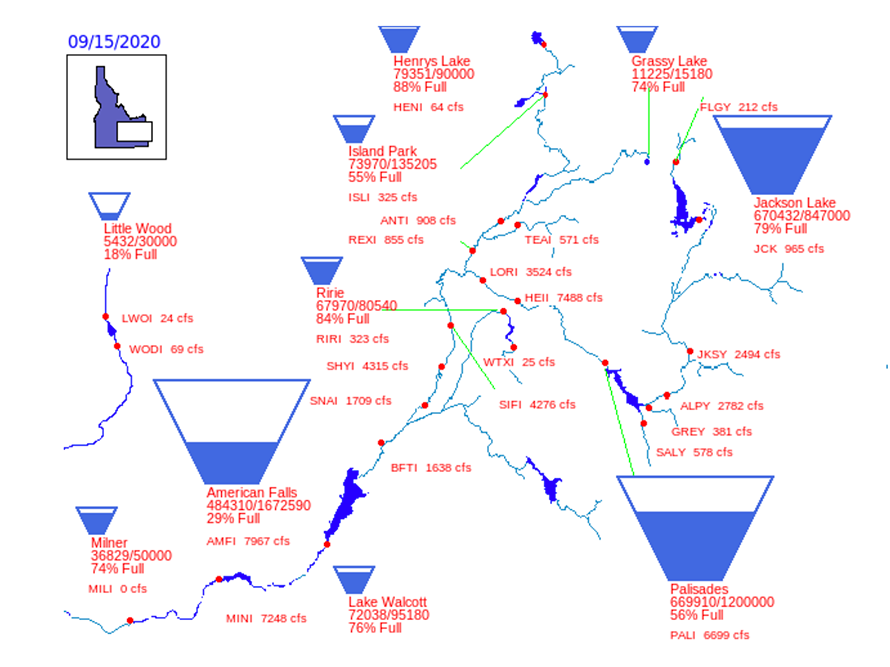
If you are booking a trip months in advance, look at the SNOTEL reports for the Western United States. High winter snowpack totals almost guarantee that reservoirs will be full and recreation will be optimal through the peak of summer. Conversely, in drought years, reservoirs like American Falls Reservoir may be significantly lower, potentially affecting the volume of water available for recreational activities.
Balancing Recreation and Ecology
Idaho’s water management is a complex dance between human utility and natural preservation. For the tourist, this means that every visit is a snapshot in time.
Wildlife and Biodiversity
When reservoirs are high, the wetlands surrounding them thrive, providing nesting grounds for migratory birds. Areas like the Deer Flat National Wildlife Refuge are fantastic for birdwatching during the spring. When water is drawn down, the exposed mudflats create their own unique ecosystem. Travelers interested in photography and nature will find that the state’s beauty changes with the water line; the “full” aesthetic is dramatic, but the “low” aesthetic reveals the rugged, volcanic underpinnings of the Idaho landscape.
Sustainable Tourism Practices
As you visit these reservoirs, remember that these are vital resources. Respecting the shoreline, adhering to fire restrictions that often accompany dry, low-water years, and practicing “Leave No Trace” principles are essential. As the state grows in popularity, the pressure on these water bodies increases. By staying informed about the current status of the reservoirs, you not only ensure a better trip for yourself but also support the responsible management of Idaho’s most precious natural asset.
Whether you find the reservoirs overflowing with snowmelt or receding under the summer sun, Idaho remains a premier destination for those who find peace on the water. By researching, planning, and maintaining a flexible itinerary, your visit to places like Redfish Lake or the expansive reservoirs of the high desert will be a memorable chapter in your travel portfolio. The water in Idaho is always moving—and for the prepared traveler, that journey is the best part of the adventure.
LifeOutOfTheBox is a participant in the Amazon Services LLC Associates Program, an affiliate advertising program designed to provide a means for sites to earn advertising fees by advertising and linking to Amazon.com. Amazon, the Amazon logo, AmazonSupply, and the AmazonSupply logo are trademarks of Amazon.com, Inc. or its affiliates. As an Amazon Associate we earn affiliate commissions from qualifying purchases.