
For travelers and residents alike, navigating the waste management systems of New York State can feel like deciphering a complex puzzle. As the tourism industry thrives across vibrant hubs like New York City, The Adirondacks, and the Finger Lakes, the volume of single-use materials generated by visitors often clashes with local sustainability goals. Among these materials, Expanded Polystyrene—commonly known by the brand name Styrofoam—stands out as one of the most contentious items in the waste stream. Understanding how to handle this material is a vital part of responsible tourism and sustainable living in the Empire State.
The Reality of Styrofoam Disposal in New York State
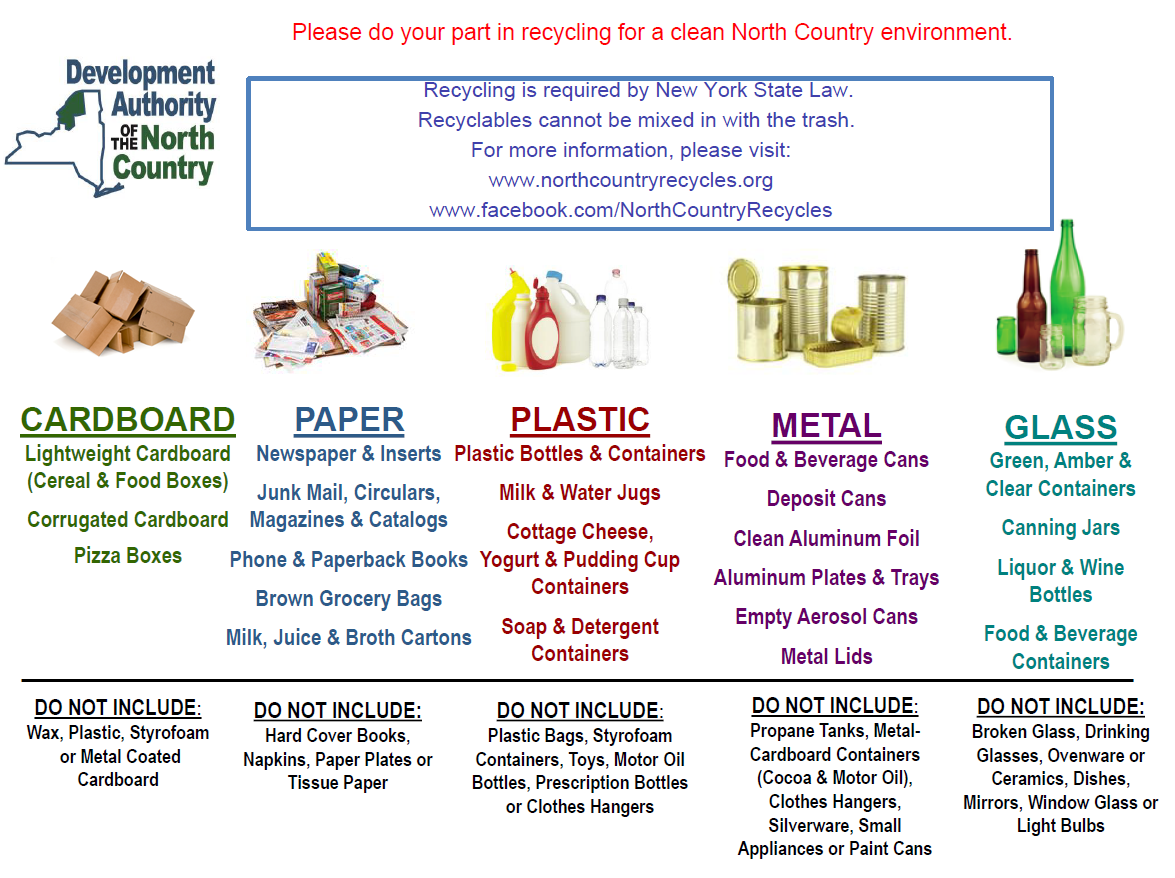
When you finish your morning coffee from a local vendor in Albany or unpack your gear at a resort near Lake George, you might be tempted to toss that white foam container into the blue recycling bin. However, in almost every municipality across New York, doing so is considered “wish-cycling”—the act of putting non-recyclable items into the bin in the hope that they will be processed.
Why Standard Recycling Programs Reject Foam
The primary reason Styrofoam is excluded from standard curbside pickup is its composition. It is 95% air, making it incredibly lightweight and voluminous. This makes it economically and logistically unfeasible for standard New York State waste management facilities to collect, transport, and process. The material easily breaks into small, buoyant pieces that contaminate other recyclables, such as paper and cardboard, effectively ruining the quality of a potential recycling batch.
Legislative Efforts and Bans
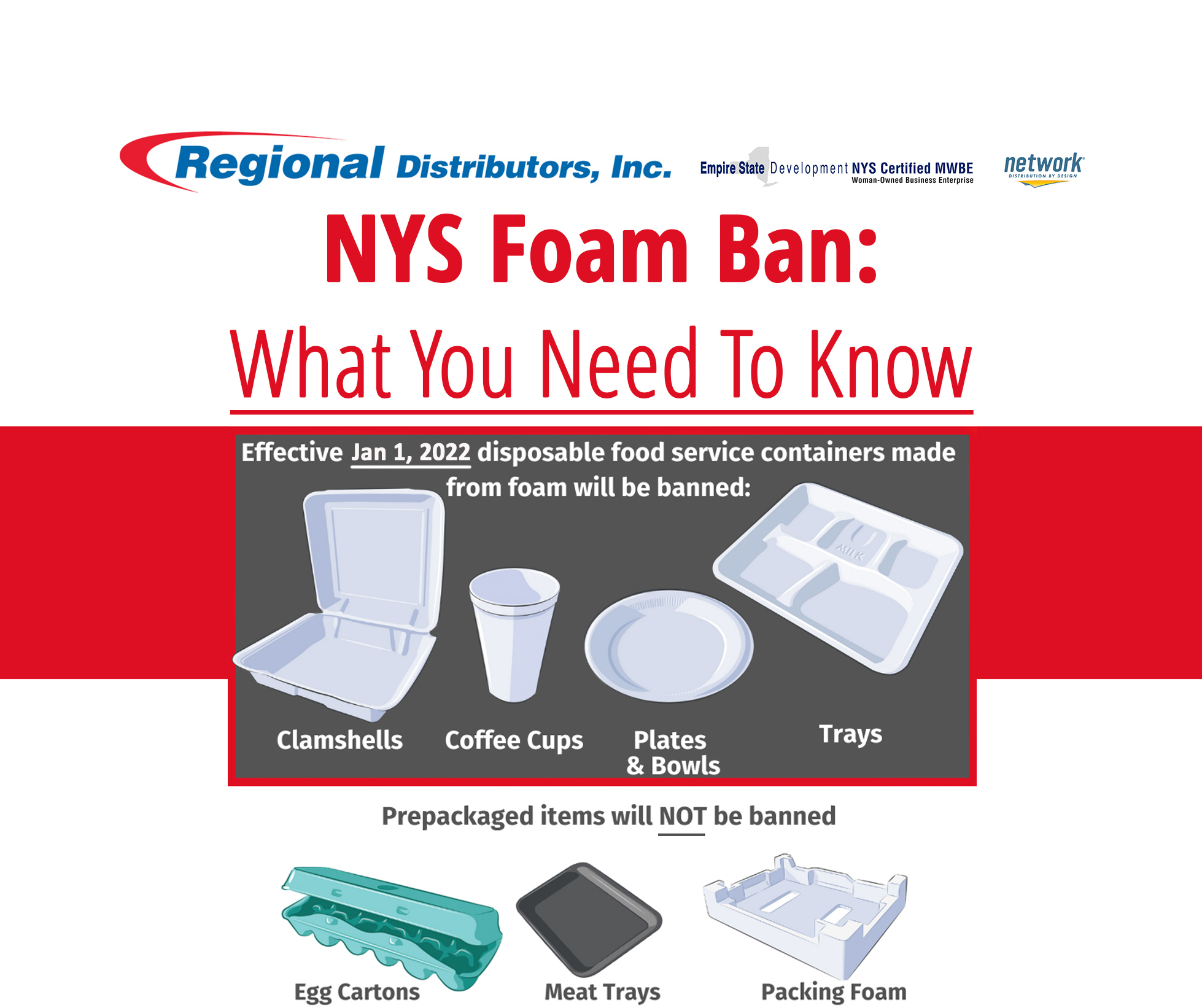
Because of its environmental impact and difficulty to recycle, several major jurisdictions in New York have taken decisive action. New York City implemented a widespread ban on the sale and use of single-service expanded polystyrene foam containers, including cups, plates, and takeout clamshells. This shift has forced businesses to transition toward compostable or recyclable alternatives. While these bans primarily target commercial entities, they reflect the broader regulatory trend throughout the state: reducing the reliance on a material that cannot be effectively managed by local infrastructure.
Navigating Waste as a Responsible Traveler
Tourism in places like the Catskills or Saratoga Springs relies on the preservation of pristine landscapes. When you visit these locations, your personal waste management choices directly affect the health of the local ecosystem. As a traveler, the best approach to Styrofoam is not to find a recycling bin, but to avoid the material entirely.
Conscious Consumption and Sustainable Choices
Travelers often find themselves with Styrofoam packaging through takeout food or product shipping. By choosing to dine in at restaurants instead of ordering to-go, or by carrying a reusable cup while walking through Central Park, you contribute to the reduction of waste that must be managed by local towns and cities. Many eco-conscious hotels in Buffalo and Rochester are moving away from providing foam-based amenities, instead opting for refillable dispensers or recyclable packaging.
The Difference Between “Recyclable” and “Accepted”
It is essential to understand that there is a distinction between a material being theoretically recyclable and it being accepted in a municipal program. While specialized facilities can melt down polystyrene into plastic pellets for manufacturing products like picture frames or crown molding, these facilities are rare and usually require industrial-scale quantities. For the average individual moving through New York State, there is effectively no way to recycle personal amounts of Styrofoam through standard channels.
How to Properly Handle Foam Waste
If you find yourself in possession of Styrofoam—perhaps from an urgent delivery while staying at an extended-stay hotel in Syracuse—you are left with two primary options: disposal or specialized reclamation.
Proper Disposal Protocols
If you cannot find a facility that accepts foam, it must be disposed of as trash. Placing it in the garbage is, unfortunately, the standard protocol for most residents and visitors. While this does not align with the goals of a circular economy, it prevents the contamination of legitimate recycling streams. Clean, white block foam is generally preferred for disposal, as it does not leak chemicals into the waste stream, though it still occupies significant landfill space.
Seeking Specialized Drop-Off Locations
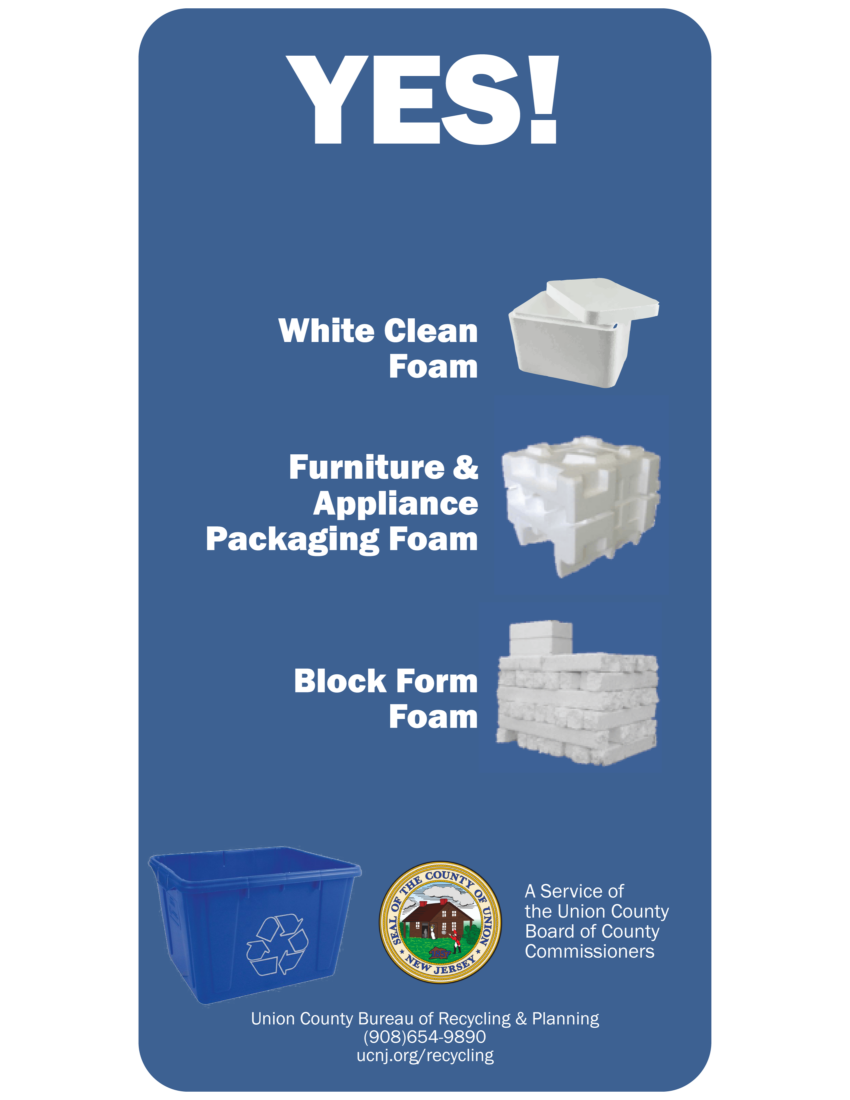
For larger quantities of polystyrene, such as shipping blocks from electronics or appliances, look for local “Zero Waste” initiatives. Some regional recycling centers in areas near Long Island or the Hudson Valley occasionally host special collection days for hard-to-recycle plastics. Checking the Department of Environmental Conservation website for New York State can provide a list of drop-off points that occasionally accept expanded polystyrene, though these are frequently limited to specific dates and locations.
The Future of Waste Management in the Empire State
The outlook for polystyrene in New York State is shifting toward a total phase-out of the material in consumer settings. As technology improves and the cost of sustainable alternatives—such as molded fiber, sugarcane bagasse, and mushroom-based packaging—decreases, the burden of managing foam waste will likely lessen.
Moving Toward Circularity
Sustainability in New York State tourism is not just about what we recycle, but how we minimize the necessity of recycling in the first place. By supporting local businesses in cities like Ithaca or Cooperstown that prioritize eco-friendly packaging, travelers vote with their wallets. The goal of regional sustainability committees is to transition the state into a model where materials like Styrofoam are rendered obsolete in favor of biodegradable options.
Final Tips for Your Visit
As you prepare for your next trip to the Empire State, keep these practices in mind:
- Refuse: When ordering food, ask if the container is foam, and if so, see if a paper or plastic alternative is available.
- Reduce: Bring a small kit including a reusable water bottle, coffee cup, and silverware to minimize reliance on takeout containers.
- Research: If you are moving to or staying long-term in a specific town, check their local municipal waste guide. Every town from Poughkeepsie to Binghamton has unique local ordinances that supersede general state guidelines.
- Reconsider: If you are buying a product that comes heavily packed in foam, consider if there is a more sustainable local option or a retailer that utilizes greener shipping materials.
By understanding the limits of the recycling infrastructure in New York State, you become a more informed traveler. Respecting the local environment means acknowledging that not everything we consume can be effortlessly returned to the cycle of manufacturing. By making small, intentional adjustments to your travel habits, you help preserve the natural beauty of the Northeast for generations of visitors to come. Remember, when in doubt, it is always better to research or avoid than to contaminate.
LifeOutOfTheBox is a participant in the Amazon Services LLC Associates Program, an affiliate advertising program designed to provide a means for sites to earn advertising fees by advertising and linking to Amazon.com. Amazon, the Amazon logo, AmazonSupply, and the AmazonSupply logo are trademarks of Amazon.com, Inc. or its affiliates. As an Amazon Associate we earn affiliate commissions from qualifying purchases.