
For those considering relocating to the Gem State, understanding the financial landscape is just as crucial as scouting the best neighborhoods. While many are drawn to Idaho for its majestic landscapes and booming outdoor lifestyle, the practicalities of tax residency—particularly state income tax—often dictate the long-term feasibility of a move. Whether you are a remote worker planning to settle in Boise or an entrepreneur eyeing the business-friendly climate of Coeur d’Alene, having a clear grasp of your tax obligations is the first step in planning your new life.
Navigating Idaho’s Income Tax Structure
Idaho has undergone significant changes in its tax legislation over the past several years, shifting toward a more simplified and competitive system. Historically, the state employed a multi-bracket system that could be complex to navigate, but recent reforms have moved the state toward a flat-rate approach to attract talent and investment.
Understanding the Flat Tax Transition
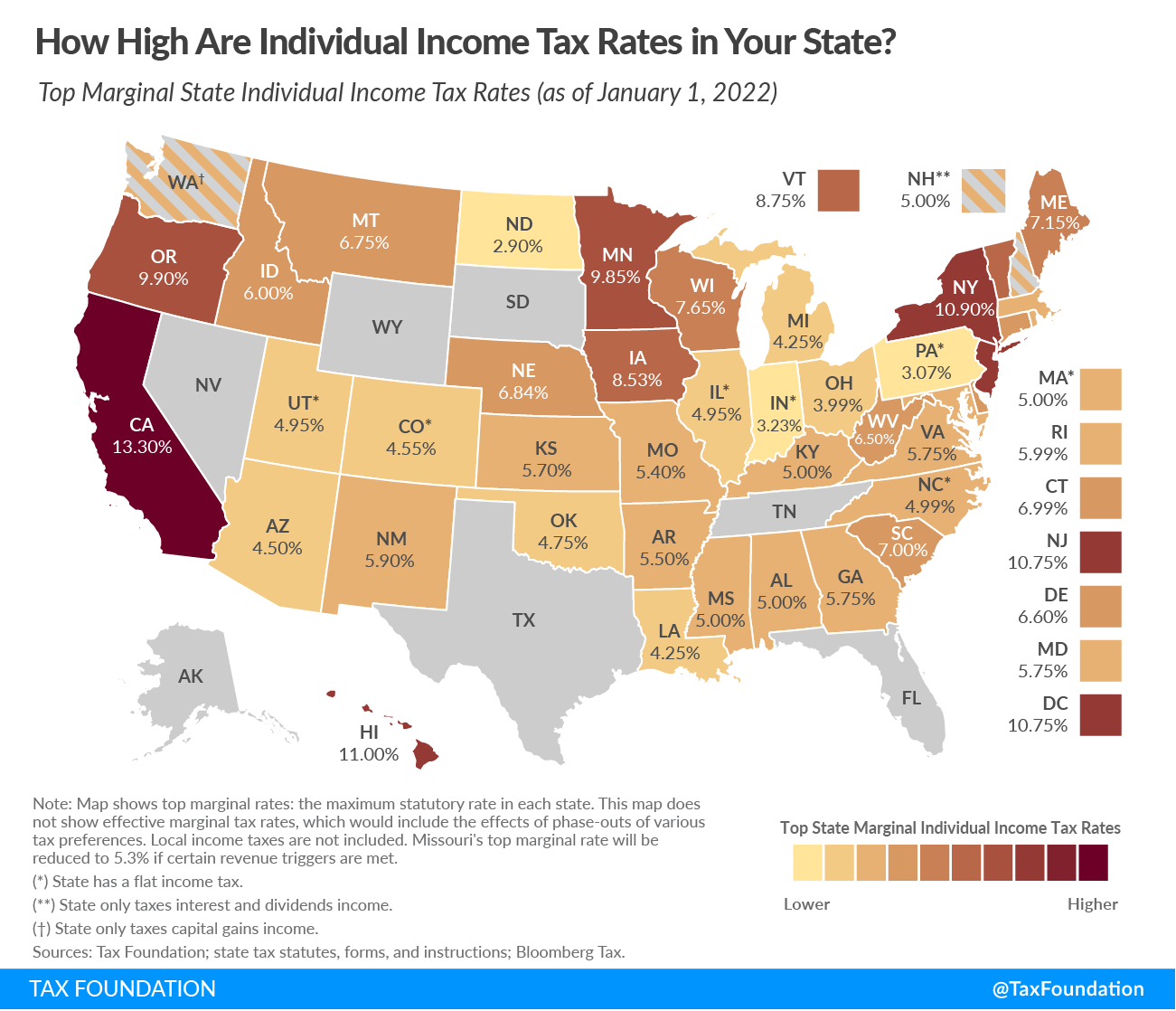
As of the most recent legislative updates, Idaho has transitioned from a progressive income tax bracket system to a flat tax structure. This change is designed to streamline the filing process and ensure that taxpayers are not penalized as their income grows. By adopting a flat rate, the state aims to maintain a predictable fiscal environment for residents and businesses alike.
For the current tax year, the flat rate is set at 5.8%. This percentage is applied to your taxable income after all standard deductions and exemptions have been accounted for. Compared to neighboring states like Oregon or California, which maintain higher progressive tax rates, Idaho’s approach is often viewed as a middle-ground strategy that balances the need for public funding with the desire to keep personal tax burdens manageable for its citizens.
Deductions and Exemptions
Even with a flat tax, the amount of income subject to taxation is not necessarily your gross salary. Idaho provides a standard deduction that mirrors the federal standard deduction. This means that a significant portion of your income remains tax-free at the state level.
Furthermore, the state offers various credits that can further lower an individual’s liability. These include credits for child care expenses, grocery tax credits, and various tax incentives for those involved in specific industries. It is essential for new residents to consult with a tax professional familiar with Idaho state law, as these deductions can significantly influence your net take-home pay.
Financial Implications of Relocating to Idaho
When deciding to move to a place like Sun Valley or Twin Falls, it is important to look at the “total tax burden” rather than just the income tax rate in isolation. Idaho’s fiscal policy is designed to be well-rounded, though it is vital to be aware of how other taxes interact with your income tax.
Comparing Property and Sales Taxes
While the state income tax is a primary concern for employees, it is balanced by property and sales taxes. Idaho maintains relatively modest property taxes compared to many other parts of the United States. This is a critical factor for those planning to purchase a home in areas like Ketchum or Sandpoint. Because the state relies on a mix of revenue sources, the property tax environment is generally favorable for homeowners, which helps offset the income tax obligations.
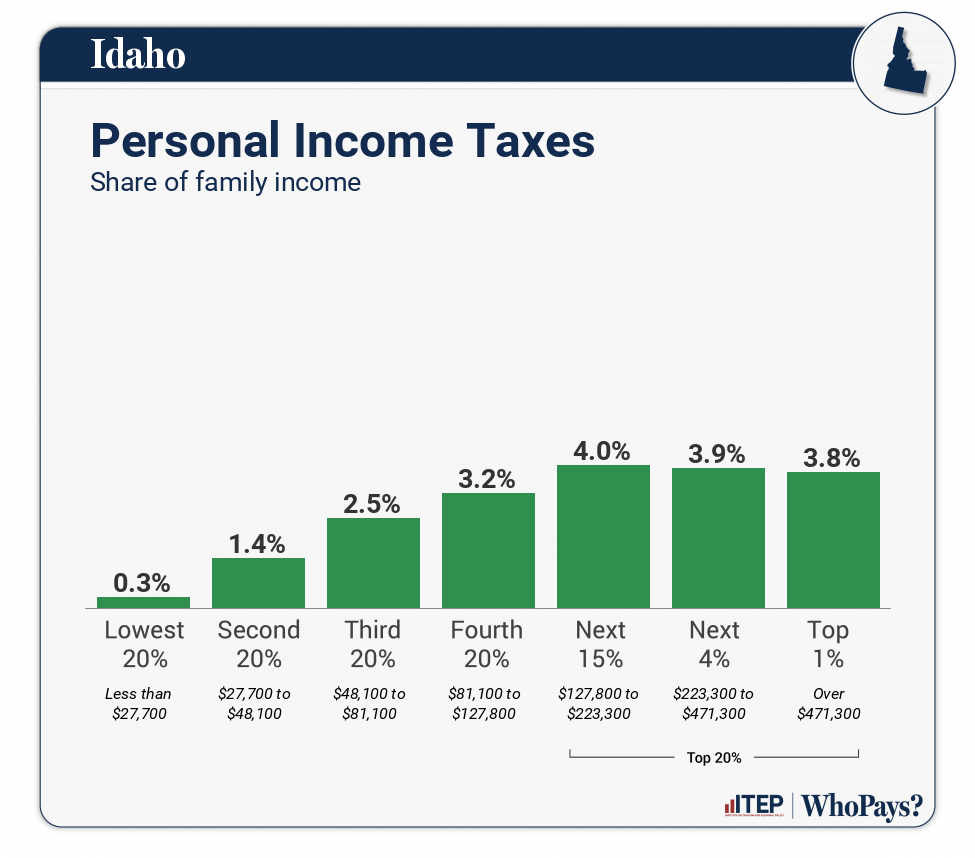
Sales tax in the state is currently set at 6%. While this is a standard rate, it is worth noting that groceries are taxed, though residents can claim a grocery tax credit on their state income tax return to mitigate this cost. This specific mechanism is a unique feature of the Idaho tax code, essentially providing a rebate to lower- and middle-income families to ensure that the sales tax on food does not become a disproportionate burden.
The Impact of Cost of Living
Beyond taxes, the general cost of living in Idaho often influences how far your income goes. Compared to major metropolitan hubs like Seattle or Denver, the cost of housing, utilities, and daily services in cities like Idaho Falls remains significantly lower. Even with a 5.8% state income tax, many residents find that their purchasing power is higher in Idaho than in states with no income tax but significantly higher costs for basic goods and real estate.
Strategic Planning for New Residents
If you are currently evaluating a move to the Mountain West, your financial planning should include a deep dive into the specific timing of your residency.
Part-Year Residency Considerations
Many people move to Idaho mid-year. If you move to the state after starting the year elsewhere, you will generally be taxed as a part-year resident. This means you will owe Idaho income tax only on the income you earned while living within the state or income derived from Idaho sources.
Properly documenting your “domicile”—the place you consider your permanent home—is critical. If you retain property or business interests in another state, you must be careful to avoid dual taxation. Most states, including Idaho, have reciprocity agreements or tax credit mechanisms to ensure that you are not paying the same tax on the same income to two different states.
Employer Withholding
For those moving for work, it is important to update your W-4 forms with your employer as soon as you establish residency. Ensuring that your employer is withholding the correct amount for Idaho state income tax will prevent an unexpected bill when the tax filing season arrives. If you are self-employed or work as an independent contractor, you will need to plan for quarterly estimated tax payments. The Idaho State Tax Commission provides robust online resources and calculators that can help you estimate your tax liability throughout the year.
Summary of the Fiscal Landscape
The decision to move to Idaho is often driven by a desire for a higher quality of life, access to world-class wilderness, and a community-focused culture. From the high-desert plateaus of Boise to the forested retreats near Couer d’Alene, the state offers a lifestyle that is hard to replicate elsewhere.
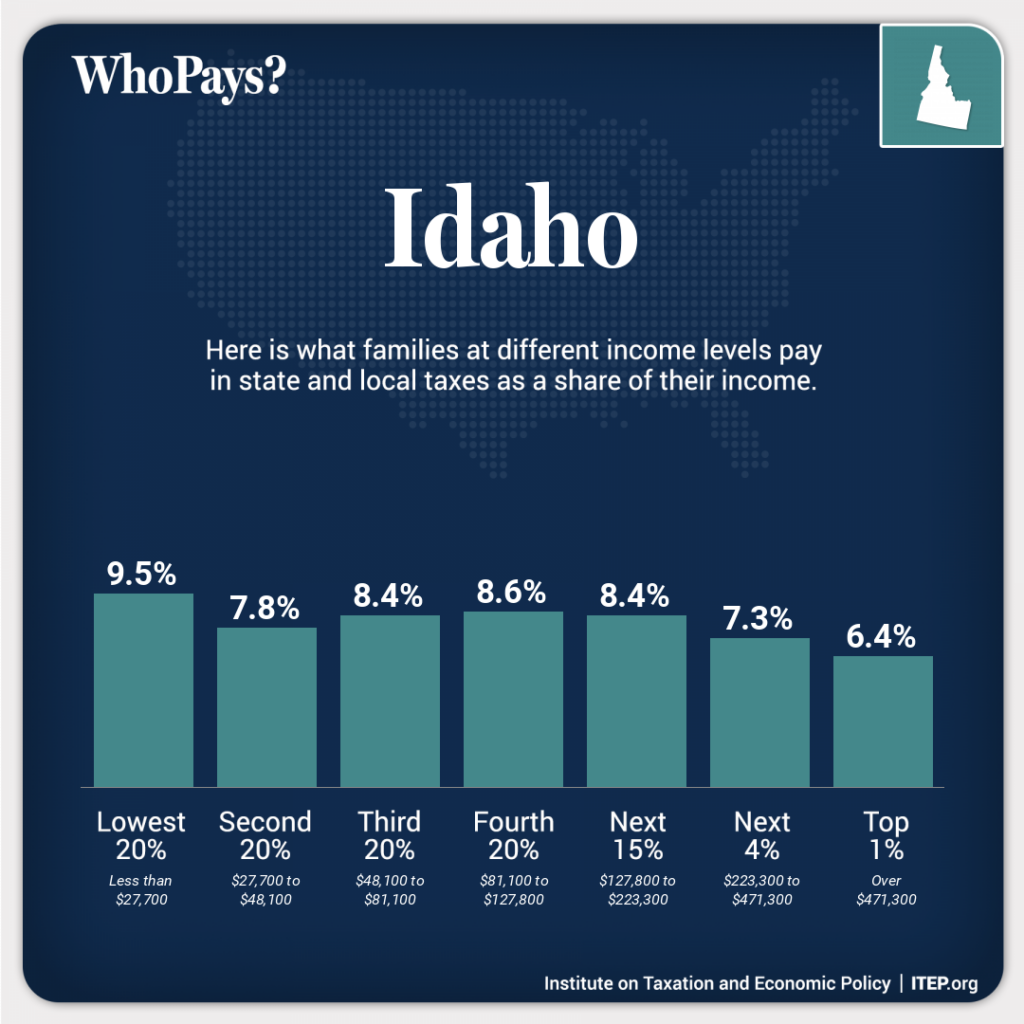
While the 5.8% flat income tax is a primary consideration, it is simply one piece of a broader fiscal puzzle. By understanding the standard deductions, the grocery tax credit, and the overall balance of property and sales taxes, new residents can navigate their transition with confidence. As with any significant life change, the best approach is to research your specific situation thoroughly, account for your unique financial goals, and perhaps consult with a local financial advisor who understands the nuances of the Idaho tax environment.
By taking the time to understand these obligations, you can focus less on the paperwork and more on the reasons you chose to call Idaho your home—whether that is the fishing in Stanley, the hiking in the Sawtooth National Forest, or the quiet, steady pace of life in a small town. The Gem State remains a top destination for those seeking a balance of economic sensibility and natural beauty, provided one steps into the transition with a well-informed strategy.
LifeOutOfTheBox is a participant in the Amazon Services LLC Associates Program, an affiliate advertising program designed to provide a means for sites to earn advertising fees by advertising and linking to Amazon.com. Amazon, the Amazon logo, AmazonSupply, and the AmazonSupply logo are trademarks of Amazon.com, Inc. or its affiliates. As an Amazon Associate we earn affiliate commissions from qualifying purchases.