
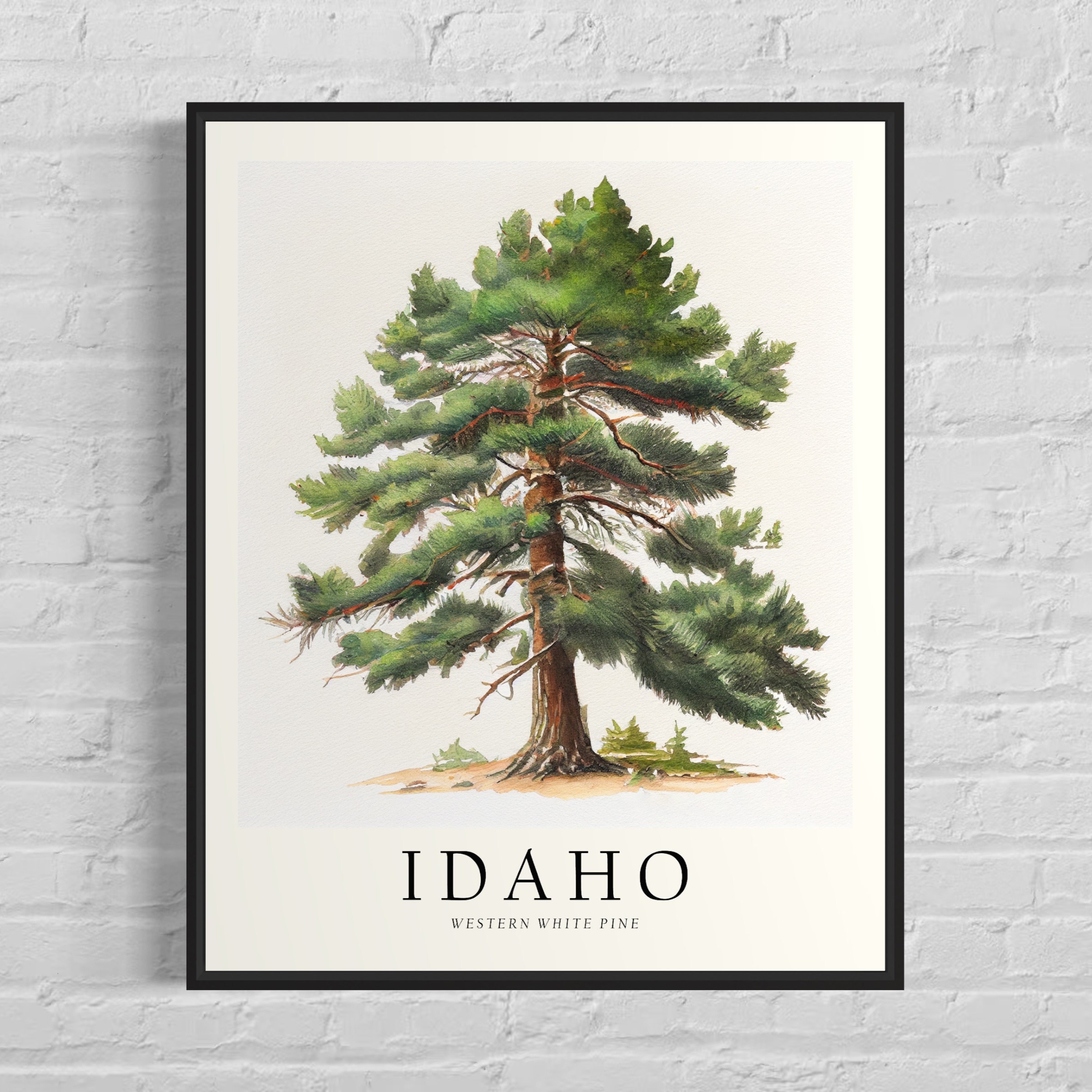
When traversing the rugged, breathtaking landscapes of the American West, one cannot help but notice the profound influence of the natural world on the identity of each state. Among the many symbols that represent the Gem State, the state tree stands as a towering testament to the region’s ecological heritage. The state tree of Idaho is the Western White Pine, a majestic conifer that has defined the skyline of the Pacific Northwest for centuries.
The Botanical Significance of the Western White Pine
The Western White Pine, scientifically known as Pinus monticola, is more than just a symbolic icon; it is a vital component of the diverse ecosystems found throughout North America. Recognized for its slender, symmetrical form and its soft, blue-green needles, this pine species is an aesthetic and functional masterpiece of the natural world.

Physical Characteristics and Habitat
The Western White Pine is a long-lived species, often reaching heights of 100 to 180 feet in prime conditions. Its bark, thin and smooth on younger trees, develops a distinctive, square-plate pattern as it matures, giving the trunk a weathered, architectural quality. These trees thrive in the cool, moist conditions found in the mountainous terrain of the Rocky Mountains, where they can access the rich soil and ample precipitation necessary for their impressive growth.
Why It Was Chosen as the State Symbol
The designation of the Western White Pine as the state tree of Idaho occurred in 1935 by an act of the state legislature. Lawmakers chose this specific tree to celebrate the vast timber resources that played a critical role in the economic development of the region. During the late 19th and early 20th centuries, the logging industry was a major driver of growth in towns across the panhandle. By selecting the Western White Pine, the state honored not only the beauty of its wilderness but also the hardworking people who relied on the bounty of the forests to build their communities.
Exploring the Natural Landmarks of Idaho
For those who wish to see the Western White Pine in its natural habitat, there is no better way than to explore the vast array of national forests and state parks that populate the region. These landmarks serve as living museums, preserving the towering giants that the state holds so dear.
The Beauty of the Panhandle National Forests
The northern reaches of Idaho are perhaps the best places to witness the Western White Pine in its most concentrated form. The Idaho Panhandle National Forests offer thousands of acres of protected land where hikers and nature enthusiasts can walk among ancient groves. The air here is crisp, scented with the unmistakable perfume of pine resin, and the canopy provides a dense, cooling shelter during the warm summer months.

Conservation and the Future of the Forest
While the Western White Pine is a symbol of strength, it has faced significant challenges. Like many species in the region, it has been threatened by white pine blister rust, a non-native fungus introduced in the early 20th century. Today, foresters and conservationists work tirelessly to breed disease-resistant varieties and manage forest health. Visiting these forests is a lesson in resilience, as you can see the ongoing efforts to ensure that future generations will continue to walk under the shade of these state icons.
Tips for Nature Lovers and Travelers
Traveling through the mountainous regions where the Western White Pine dominates requires preparation and respect for the environment. Whether you are planning a trip to Coeur d’Alene or venturing deeper into the backcountry toward the Bitterroot Range, your experience will be enhanced by a deeper understanding of the local landscape.
Best Times to Visit
The best time to experience the forests of the Gem State is during the late spring or early autumn. During these seasons, the weather is mild, the wildlife is active, and the foliage provides a stunning contrast against the deep, evergreen backdrop of the pines. Summer is also popular, though travelers should be mindful of the peak fire season, which can occasionally impact trail access in more remote areas.
Responsible Tourism and Stewardship
When visiting protected natural landmarks, it is essential to practice “Leave No Trace” principles. The beauty of the Western White Pine is delicate; staying on marked trails, packing out all trash, and respecting the wildlife are small actions that ensure the integrity of the ecosystem. By acting as responsible stewards, visitors help preserve the very thing they came to admire.
The Cultural Connection to the Land
The Western White Pine is more than just a biological entity; it is deeply embedded in the cultural fabric of the Pacific Northwest. From the indigenous peoples who used the bark and seeds for sustenance and medicine to the modern-day residents who find peace in the solitude of the woods, the tree represents an enduring bond between the people and the land.
Folklore and Local Lore
In local lore, the tree is often described as the “guardian of the mountains.” Its stature and presence provide a sense of place that is uniquely Idahoan. It serves as a visual anchor in a landscape defined by dramatic canyons, swift rivers, and rolling foothills. As you travel through the state, you will notice the silhouette of this tree echoed in the architecture of historic cabins, the branding of local businesses, and even in the artwork found in public buildings.
A Lasting Legacy
As you stand at the base of a towering Western White Pine, feeling the rough texture of its bark and gazing up into its high, sweeping branches, you connect with a history that spans centuries. It is a reminder of the patience required to grow something truly magnificent. Whether you are an avid hiker climbing the slopes near Sandpoint or a casual tourist admiring the view from a mountain pass near the Sawtooth National Forest, the state tree offers a profound sense of awe.
The Western White Pine is more than a symbol; it is the living spirit of the state. It embodies the resilience, the height, and the deep, rooted strength that characterizes the heart of the American West. Next time you find yourself wandering through the pine-scented corridors of the northern Rockies, take a moment to look up. You are standing beneath the pride of the state, a silent giant that has watched over the land for generations and will, with our protection, continue to do so for many more. Through exploration, we learn that the true value of our natural landmarks lies in our willingness to observe, protect, and cherish them for their intrinsic beauty and their historical significance.
LifeOutOfTheBox is a participant in the Amazon Services LLC Associates Program, an affiliate advertising program designed to provide a means for sites to earn advertising fees by advertising and linking to Amazon.com. Amazon, the Amazon logo, AmazonSupply, and the AmazonSupply logo are trademarks of Amazon.com, Inc. or its affiliates. As an Amazon Associate we earn affiliate commissions from qualifying purchases.