
The Cinematic Illusion Versus Reality
When Wes Anderson released his cinematic masterpiece The Grand Budapest Hotel in 2014, audiences were instantly captivated by the candy-pink facade, the opulent cascading staircases, and the impeccably symmetrical interior design. Viewers across the globe wondered if they could book a weekend getaway at this magnificent European alpine resort. The truth is both disappointing and fascinating: The Grand Budapest Hotel does not exist as a functioning resort, nor is it located in Budapest, Hungary.
Instead, the iconic landmark is a brilliant concoction of miniature models, digital effects, and architectural inspiration drawn from various real-world European properties. While you cannot check into a room managed by a concierge named Gustave H., the physical and cultural inspirations behind the film are very much real and accessible to curious travelers.

The Miniature Masterpiece
The exterior shot of the sprawling pink palace perched majestically on a snowy cliffside is perhaps one of the most memorable visual effects in modern cinema. Rather than relying entirely on computer-generated imagery, Wes Anderson commissioned a 14-foot-tall handmade miniature model built by visionary artists. This intricate physical model was filmed using stop-motion techniques reminiscent of classic early-cinema artistry. The mountain backdrop was painted to evoke the dramatic topography of the Alps, heavily influenced by vintage landscape paintings and classic postcards from the early 20th century.
Architectural Blueprint and Design Influences
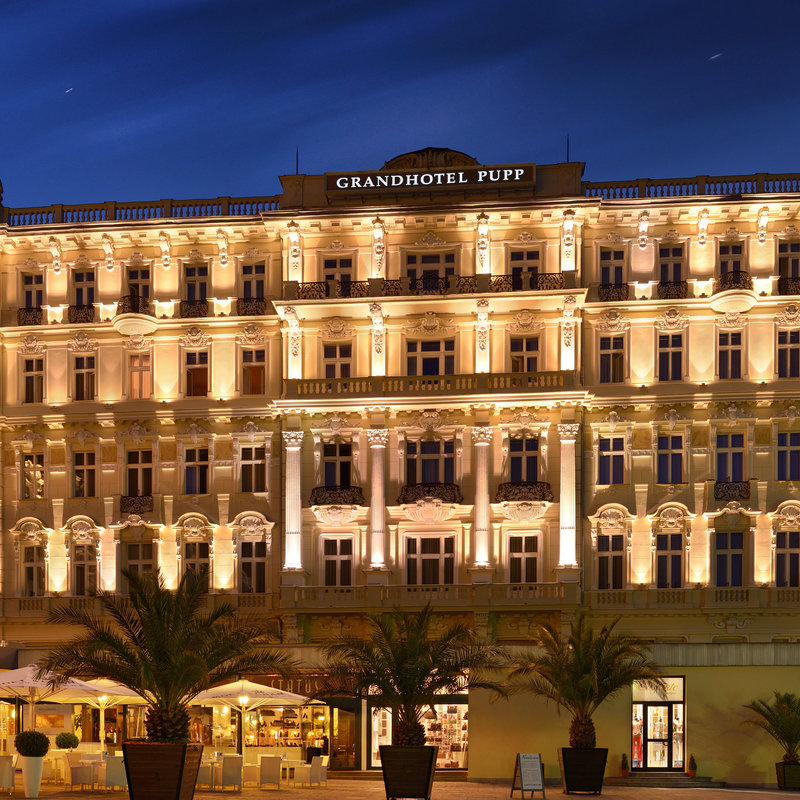
The aesthetic of the fictional resort borrows heavily from historical European spa towns and grand Belle Époque hospitality. The primary physical inspiration for the hotel’s exterior and layout came from the Grand Hotel Pupp, situated in the historic spa city of Karlovy Vary in the Czech Republic. Known historically as Karlsbad, this Bohemian town has long attracted European aristocracy, artists, and writers with its mineral-rich thermal springs and neoclassical architecture.
Similarly, the interior lobby scenes were not filmed in a functional hotel, but rather inside the vacant Department Store Görlitz, located in Görlitz, Germany. This magnificent Art Nouveau structure, locally known as Kaufhaus Görlitz, provided the sweeping multi-story atrium, wrought-iron elevators, and majestic glass ceiling that define the film’s visual core.
Real-Life Counterparts Inspired by the Film
For travelers seeking an authentic stay that channels the nostalgic grandeur, pastel elegance, and meticulous hospitality depicted in the film, several real-world properties offer a remarkably similar experience. These historic properties preserve the architectural legacy and high-society charm of Europe’s golden age of travel.
European Grandeur and Thermal Spas
To step directly into the atmosphere that inspired the cinematic masterpiece, a visit to Karlovy Vary is essential.
- Grand Hotel Pupp: This historic institution in the Czech Republic has hosted royalty, film stars, and intellectuals for centuries. Its grand banquet halls, ornate plasterwork, and cascading staircases bear a striking resemblance to the public spaces managed by Zero Moustafa in the film.
- Hotel Bristol: Another architectural gem within the same region, showcasing classic Austro-Hungarian luxury and sweeping valley views that mirror the fictional alpine setting.
Alpine Escapes and Mountain Resorts
If your heart is set on a snowy mountain retreat tucked away in the dramatic peaks of Central Europe, several heritage properties deliver both luxury and history:

- Kulm Hotel St. Moritz: Located in Switzerland, this legendary alpine resort embodies the aristocratic winter sports culture of the early 1900s. The crisp mountain air, historic dining rooms, and panoramic views of the Engadin Valley evoke the secluded luxury of the cinematic resort.
- Badrutt’s Palace Hotel: Situated nearby in St. Moritz, this castle-like property features towers, turrets, and an uncompromising dedication to high-end hospitality that feels straight out of a storybook.
Tracing the Filming Locations
While the hotel itself is a myth, the actual places where the production came to life are thriving cultural hubs worth exploring. A journey through the filming locations offers a fantastic itinerary for fans of cinema, architecture, and European history.
The Charm of Görlitz, Germany
Often referred to as “Gollywood” by film crews due to its frequent use as a cinematic backdrop, Görlitz is the easternmost town in Germany. Because the city escaped heavy destruction during World War II, its streets display a pristine collection of Gothic, Renaissance, Baroque, and Art Nouveau architecture.
- The Lobbies and Corridors: Walking through the Department Store Görlitz reveals the exact angles and spatial arrangements seen on screen. Although currently undergoing preservation efforts, the exterior and surrounding cobblestone streets remain a joy to explore on foot.
- Historic Town Square: The medieval squares nearby provided the backdrop for various chase sequences and exterior street scenes involving the protagonist and his loyal companions.
Exploring Eastern Germany and Saxony
The production footprint extended beyond a single building, weaving through the cultural landscape of Saxony.
- Dresden: Known historically as the “Florence on the Elbe,” this vibrant German city provided additional architectural inspiration and logistical support for the film crew. Visitors can explore the Zwinger Palace and the stunning Semper Opera House, both of which reflect the opulent European aesthetic championed by Wes Anderson.
- Leipzig: Another nearby cultural hub featuring monumental architecture, historic coffeehouses, and grand railway stations that capture the romance of early 20th-century travel.
How to Experience the Aesthetic Today
For travelers eager to immerse themselves in the distinct visual style, pastel color palettes, and nostalgic romance of the film, careful planning can yield an unforgettable journey through Central Europe.
Booking a Historic Stay
When searching for accommodations that capture the essence of a bygone era, look for historic grand hotels rather than modern, minimalist chain properties. Look for hotels that feature:
- Original architectural details from the late 19th or early 20th century.
- Dedicated concierge services resembling the attentive care of the fictional staff.
- Locations in historic spa towns, mountain passes, or cultural capitals across Europe.
Culinary and Cultural Immersion
A true tribute trip requires more than just sleeping in a grand room. Visitors should seek out traditional European cafes, historic pastry shops, and thermal bathhouses.
- Café Culture: Spend an afternoon in Vienna, Prague, or Budapest sampling rich pastries, delicate chocolates, and espresso served on silver trays by career waiters in waistcoats.
- Thermal Baths: Visit historic bath complexes such as the Széchenyi Thermal Bath in Budapest to experience the restorative leisure culture that originally populated Europe’s grand mountain and valley resorts with wealthy travelers.
Ultimately, while you cannot book a room at the fictional alpine destination, tracing its real-world inspirations offers an extraordinary excuse to explore the magnificent architecture, rich history, and timeless elegance of Central Europe.
LifeOutOfTheBox is a participant in the Amazon Services LLC Associates Program, an affiliate advertising program designed to provide a means for sites to earn advertising fees by advertising and linking to Amazon.com. Amazon, the Amazon logo, AmazonSupply, and the AmazonSupply logo are trademarks of Amazon.com, Inc. or its affiliates. As an Amazon Associate we earn affiliate commissions from qualifying purchases.