
Evaluating a potential new home requires looking far beyond simple real estate listings. For individuals and families considering a move to the American heartland, the question of whether Kansas is a nice place to live is deeply nuanced. Known widely as the Sunflower State, this region evokes classic imagery of endless horizon lines, amber waves of grain, and a quiet, unhurried pace of life. Yet, a deeper examination reveals a state defined by progressive urban centers, rich cultural traditions, economic resilience, and a profound sense of community. This comprehensive overview explores the multifaceted reality of residing in the heart of America, weighing the distinct advantages against the regional challenges to help prospective residents determine if it aligns with their lifestyle goals.
The Economic and Community Landscape
When evaluating the daily realities of life in the Sunflower State, the local economy and community spirit stand out as primary pillars of satisfaction. Residents often find that the state offers a balanced financial environment alongside deeply rooted social connections.
Cost of Living and Housing Affordability
One of the most compelling arguments for relocating to Kansas is the remarkably favorable cost of living. Housing costs consistently track well below the national average, allowing families to secure spacious homes, substantial yards, and desirable neighborhood amenities for a fraction of what identical properties would command on the coasts or in major metropolitan hubs. This financial breathing room extends to everyday expenses, including utilities, groceries, and transportation. For professionals, retirees, and young families aiming to maximize their purchasing power, the economic climate provides a stable foundation for long-term financial health and wealth accumulation without the relentless pressure of hyper-inflated markets.
Safety, Neighborliness, and Community Spirit
Beyond the balance sheet lies the intangible quality of everyday life, heavily influenced by Midwestern hospitality. Communities throughout the state are characterized by a genuine sense of neighborliness and mutual support. Neighborhood block parties, community festivals, and local volunteer initiatives are woven into the social fabric. Furthermore, numerous towns and cities boast crime rates significantly lower than the national average, making them particularly attractive for raising children or enjoying a peaceful retirement. This environment fosters a profound sense of security and belonging, where neighbors know one another by name and civic engagement remains a vibrant tradition.
Urban Energy and Rural Tranquility
Life here is far from monolithic; it offers a striking contrast between bustling, modern urban environments and peaceful, wide-open rural spaces. This dichotomy ensures that residents can tailor their living situation precisely to their personal preferences.
Vibrant Cities: Wichita and Kansas City
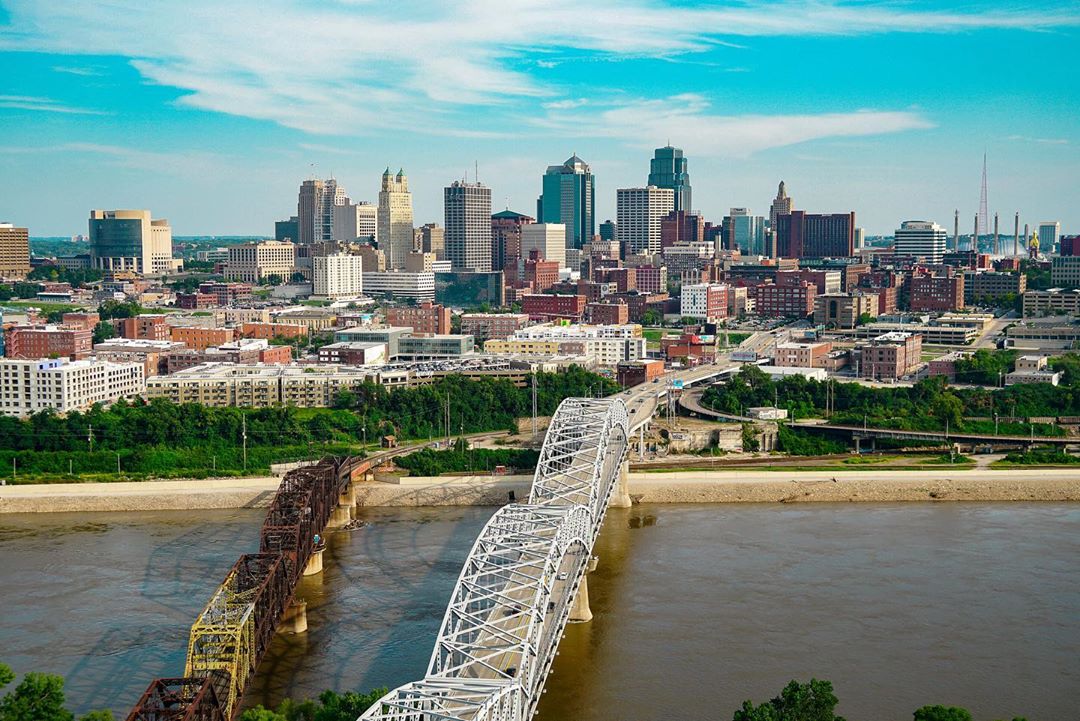
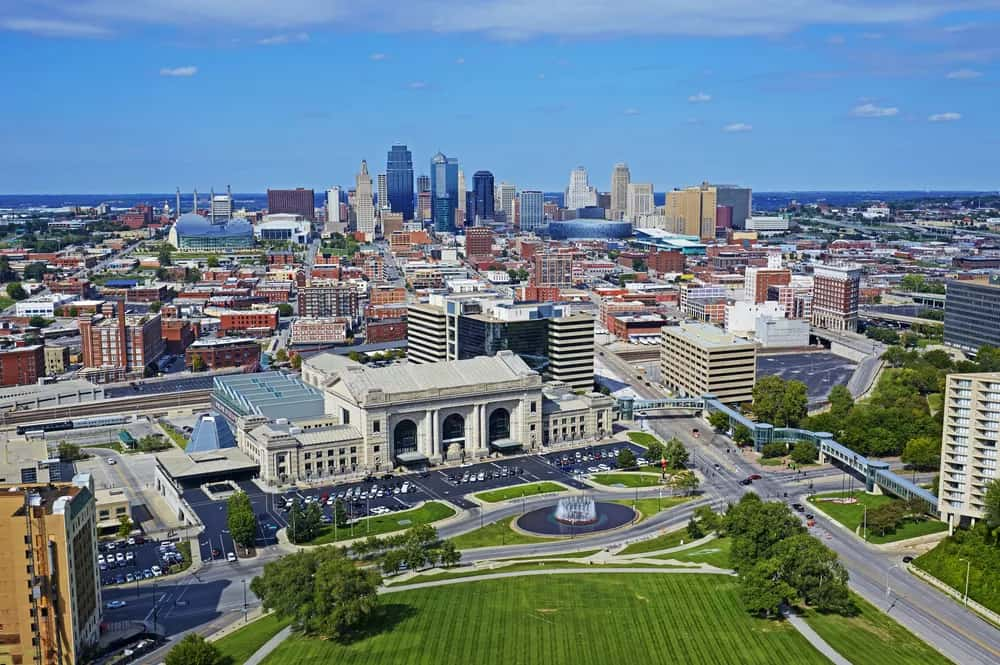
For those who thrive in urban settings, the state’s metropolitan areas deliver unexpected sophistication and energy. Wichita, the largest city in the state, blends a rich aviation heritage with a burgeoning arts scene, diverse culinary options, and extensive riverfront parks. Meanwhile, the region surrounding Kansas City offers world-class barbecue, passionate sports culture, thriving jazz districts, and robust corporate employment opportunities in fields ranging from technology to healthcare. These urban centers provide all the cultural amenities, shopping districts, and professional networks expected of major metropolitan areas, yet they maintain a manageable scale that prevents daily life from feeling overwhelming.

The Charm of Small Towns and Open Spaces
Conversely, the true essence of the region is often found in its charming small towns and rural expanses. Communities like Abilene or Lindsborg offer a slower, more deliberate pace of life steeped in history and distinct cultural heritage. The rolling hills of the Flint Hills region present some of the most breathtaking native tallgrass prairie landscapes in North America, offering endless opportunities for quiet reflection, hiking, photography, and stargazing under vast, unobstructed night skies.
Navigating the Challenges
No region is without its drawbacks, and a realistic assessment of the state requires acknowledging the environmental and geographic hurdles that prospective residents will encounter.
Climate Realities and Weather Extremes
The climate is famous for its distinct four seasons, which bring both beauty and formidable challenges. Summers can be intensely hot and humid, while winters frequently feature freezing temperatures, biting winds, and occasional heavy snowfall. Most notably, the geographic location places the state squarely within Tornado Alley. While modern meteorological forecasting, advanced warning systems, and widespread storm shelter infrastructure have drastically improved safety, the seasonal threat of severe thunderstorms, high winds, and tornadoes requires a level of preparedness and vigilance that newcomers must take into account.
Geographic Isolation and Travel Considerations
Depending on where one chooses to settle, geographic isolation can be a factor. While major commercial airports in Wichita and Kansas City provide solid connectivity, residents living in remote rural counties may find themselves hours away from specialized medical centers, major cultural events, or international travel hubs. Additionally, the vast distances between population centers mean that daily commuting or road trips involve driving long stretches of highway where entertainment options and amenities can be sparse.
Education, Career, and Quality of Life
Long-term residency ultimately depends on opportunities for professional growth, educational excellence for younger generations, and an engaging lifestyle filled with recreation.
Educational Institutions and Career Pathways
The state places a high value on education, reflected in its numerous well-regarded public school districts and prominent higher education institutions. Universities such as the University of Kansas and Kansas State University not only provide exceptional academic and research opportunities but also serve as cultural and athletic hubs for the entire region. Economically, the state has diversified far beyond its historical agricultural roots. Robust sectors in aerospace manufacturing, renewable energy—particularly wind power—technology, logistics, and healthcare offer diverse and rewarding career pathways for modern professionals.
Recreation, Culture, and Everyday Living
Life here encourages an active, outdoor-oriented lifestyle mixed with rich cultural traditions. State parks, reservoirs, and wildlife areas offer ample space for boating, fishing, hunting, and camping. Culturally, the state embraces its unique historical narrative, ranging from pioneer trails and Old West lore to contemporary art galleries and vibrant music festivals. Ultimately, whether the Sunflower State is considered a nice place to live depends on what an individual values most. For those who prize economic stability, community connection, safety, and the unmatched beauty of the American heartland, it proves to be an exceptionally rewarding and welcoming home.
LifeOutOfTheBox is a participant in the Amazon Services LLC Associates Program, an affiliate advertising program designed to provide a means for sites to earn advertising fees by advertising and linking to Amazon.com. Amazon, the Amazon logo, AmazonSupply, and the AmazonSupply logo are trademarks of Amazon.com, Inc. or its affiliates. As an Amazon Associate we earn affiliate commissions from qualifying purchases.