
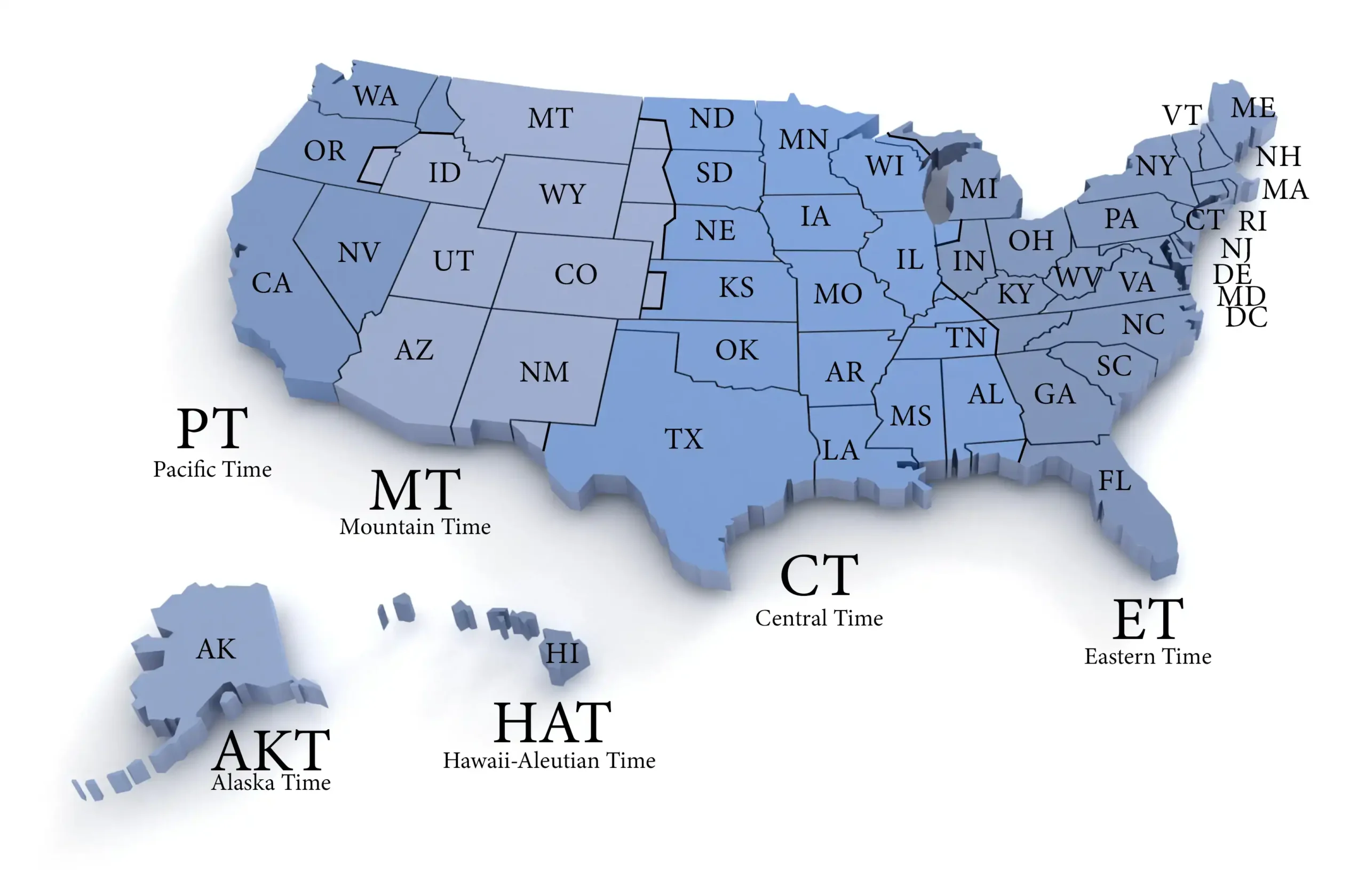
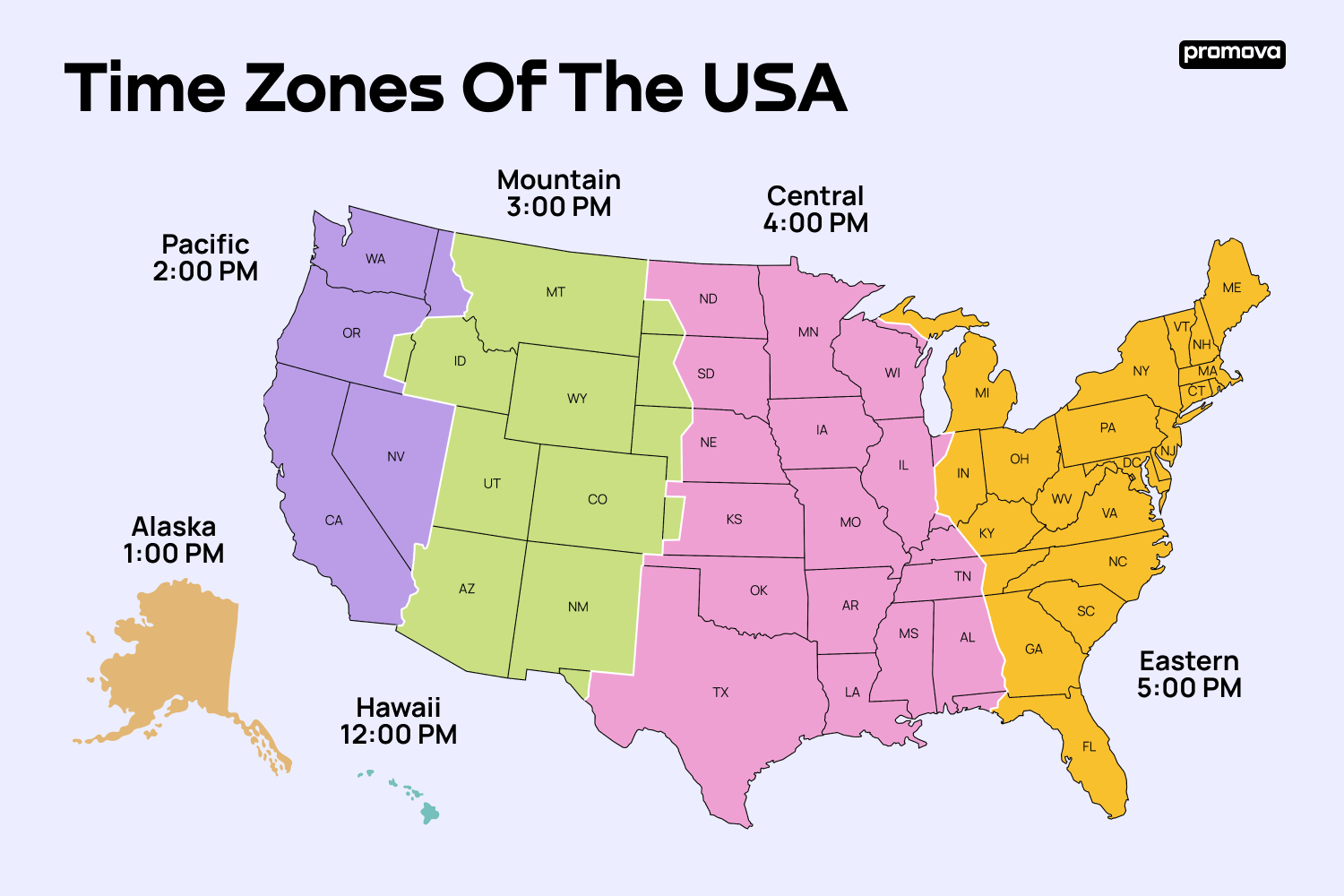
Planning a trip to the vibrant state of Louisiana involves considering many factors, from the captivating destinations and unique attractions to booking the perfect accommodation and immersing yourself in local culture. Amidst all the exciting preparations, a seemingly minor detail like the time zone can have a significant impact on your travel experience. For anyone wondering, “What time zone is Louisiana?” the answer is straightforward: the entire state observes Central Time (CT).
This means that during standard time, Louisiana operates on Central Standard Time (CST), which is UTC-6. When Daylight Saving Time (DST) is in effect, typically from March to November, the state switches to Central Daylight Time (CDT), which is UTC-5. Understanding this simple fact is crucial for seamless travel, efficient planning, and fully enjoying all that the Pelican State has to offer, whether you’re exploring the historic streets of New Orleans or venturing into the bayous near Lafayette.
Navigating Central Time: A Traveler’s Guide to Louisiana
The Central Time Zone encompasses a broad swath of the United States, stretching from the Gulf Coast through the Midwest. Louisiana shares this time zone with neighboring states like Texas, Arkansas, Mississippi, and portions of Florida, as well as Missouri, Iowa, Minnesota, Wisconsin, Illinois, Oklahoma, and parts of several other states. This commonality simplifies travel within the region but requires careful attention if you’re arriving from a different time zone, particularly the Eastern Time Zone or the Mountain or Pacific Time Zones.
Adjusting Your Internal Clock: Combating Jet Lag
For travelers coming from time zones further east or west, the change to Central Time can induce jet lag, even if it’s only a one-hour shift from the Eastern Time Zone. While a single hour might seem negligible, it can still impact your first day, especially for early morning tours or late-night entertainment. When flying into Louisiana, particularly to major hubs like Louis Armstrong New Orleans International Airport (MSY) or Baton Rouge Metropolitan Airport (BTR), it’s wise to set your watch to Central Time as soon as you board your flight. This mental adjustment can help prepare your body for the new schedule.
Practical tips for minimizing jet lag include:
- Hydrate frequently during your flight.
- Adjust your sleep schedule gradually a few days before departure.
- Expose yourself to natural light upon arrival to help reset your circadian rhythm.
- Avoid heavy meals and excessive alcohol on your travel day.
For families traveling with children, maintaining a consistent routine, even with the time change, is key. Many Louisiana family attractions, like the Audubon Zoo or Mardi Gras World, have specific opening hours, so an early adjustment can ensure you don’t miss out on valuable exploration time.
Hotels and Accommodation: Timing Your Stay
The time zone directly influences standard hotel operations, from check-in and check-out times to the scheduling of amenities and services. Most hotels in Louisiana, whether luxury resorts in New Orleans, charming boutique hotels in Lafayette, or budget-friendly options in Shreveport, adhere to typical check-in times around 3:00 PM or 4:00 PM CT and check-out times around 11:00 AM or 12:00 PM CT.
When booking your accommodation, confirm these times, especially if you’re arriving on an early flight or departing late. Some establishments, like the historic Hotel Monteleone in the French Quarter or the upscale Windsor Court Hotel, might offer early check-in or late check-out options, often for an additional fee, which can be invaluable for optimizing your schedule. If you’re staying in an apartment or villa, coordinating your arrival with the host according to Central Time is essential to ensure a smooth handover of keys. Understanding the local time also helps you plan evening activities, such as dinner reservations at renowned New Orleans restaurants or catching live music on Bourbon Street, ensuring you don’t arrive too early or too late.
Time’s Influence on Louisiana Experiences
The time zone isn’t just a technical detail; it’s intricately woven into the rhythm of daily life and the operational schedules of Louisiana’s tourism sector. From the opening hours of famous landmarks to the timing of cultural festivals and even the local dining scene, Central Time dictates the pace.
Tourism and Local Culture: Don’t Miss a Beat
Louisiana’s rich tapestry of local culture, food, and activities is best experienced when you’re synchronized with its clock. Attractions such as the National WWII Museum in New Orleans, the USS Kidd Veterans Memorial and Museum in Baton Rouge, or the Shreveport Aquarium typically open between 9:00 AM and 10:00 AM CT and close between 4:00 PM and 5:00 PM CT. Planning your visits around these hours is critical, especially during peak seasons when lines can be long.
Similarly, guided tours, whether a swamp tour through the bayous or a historical walking tour of the French Quarter, operate on strict schedules. Missing your designated tour time due to a miscalculation of the time zone can lead to disappointment and lost deposits. Always double-check booking confirmations and local listings, noting whether times are expressed in CT or if they account for Daylight Saving Time.
The culinary scene in Louisiana is legendary, and understanding meal times in Central Time is essential. Breakfast often begins around 7:00 AM CT, lunch typically from 11:00 AM to 2:00 PM CT, and dinner service usually starts around 5:00 PM CT. For popular eateries, making reservations well in advance, and being punctual, is a must. Embracing the local lifestyle also means understanding that the evenings in New Orleans often start later, with live music venues and bars on Frenchmen Street coming alive after 9:00 PM CT and continuing into the early hours of the morning.
Landmarks and Historic Sites: Respecting Operating Hours
Louisiana’s landmarks, from the majestic St. Louis Cathedral overlooking Jackson Square to the historic plantations like Oak Alley Plantation and Laura Plantation along the Mississippi River, all operate within Central Time parameters. Many of these sites, especially those with guided tours, have specific last entry times. For instance, a plantation might close its grounds at 5:00 PM CT but stop admitting visitors for tours by 4:00 PM CT.
Beyond official operating hours, even natural landmarks and outdoor attractions, such as the Creole Nature Trail All-American Road near Lake Charles, are best explored during daylight hours, which shift with Daylight Saving Time. Knowing whether it’s CST or CDT will help you plan sunset views or early morning wildlife spotting trips. Always confirm the exact timings on official websites before your visit to avoid any scheduling mishaps.
Planning Your Louisiana Trip: Optimizing for Central Time
Whether your travel style leans towards luxury getaways, budget-friendly adventures, family trips, or essential business stays, strategic planning around Louisiana’s time zone is paramount for a smooth and enjoyable experience.
Lifestyle Considerations: Tailoring Your Itinerary
For luxury travelers, the ability to seamlessly transition between time zones without disruption is key. Booking private transfers, arranging spa treatments, or securing exclusive dining experiences often involves tight schedules. A misstep in time can mean missing a reservation at a Michelin-starred restaurant or a bespoke shopping appointment. Properties like The Roosevelt New Orleans, a Waldorf Astoria Hotel, pride themselves on impeccable service, and being on time helps maintain that high standard of experience.
Budget travelers often rely on public transportation or car rentals, and adherence to schedules becomes even more critical. Missing a bus or closing an attraction due to a time zone oversight can lead to unexpected expenses or missed opportunities. Timing your visits to free attractions, like exploring the Garden District or strolling through City Park, can be done at your leisure, but even then, knowing when businesses open or close for refreshments is useful.
Family trips require meticulous planning, and time zone changes can wreak havoc on children’s routines. Building in extra buffer time for transitions, ensuring proper rest, and scheduling activities that align with typical meal and nap times in Central Time will contribute to a happier and less stressful vacation for everyone.
For business stays, punctuality is non-negotiable. Meetings, conferences, and networking events in cities like Baton Rouge or Shreveport will strictly adhere to Central Time. Always confirm meeting times and factor in potential travel delays or time adjustments when scheduling calls with colleagues or clients in different time zones.
Technology and Time Management
In today’s interconnected world, most smartphones and digital devices automatically adjust to the local time zone, which is a great convenience. However, it’s always prudent to double-check, especially if you manually set your device or if you’re relying on older technology. When coordinating with travel companions, ensure everyone is aware of and operating on the correct Central Time.
Consider using a travel planning app that allows you to input your itinerary and automatically converts times to the local zone. When booking flights, tours, or restaurant reservations online, pay close attention to the time zone indicated. Some booking platforms might default to your current time zone, leading to potential confusion if not carefully reviewed. Always assume that listed times for Louisiana attractions and services are in Central Time, whether it’s CST or CDT, depending on the time of year.
In conclusion, while the question “What time zone is Louisiana?” has a simple answer – Central Time – its implications for travel and tourism are far-reaching. By understanding and accounting for the time zone, you can ensure your trip to Louisiana is not only enjoyable but also perfectly synchronized with the rhythm of this captivating state. From exploring its historic landmarks and indulging in its world-famous cuisine to experiencing its vibrant culture, being on Central Time will help you make the most of every moment.
