
For many travelers planning a vacation to the Sunshine State, understanding local laws and customs is a crucial part of preparation, ensuring a smooth and enjoyable experience. One question that often arises, particularly for those coming from different legal jurisdictions, is about firearm regulations: “Is Florida an open carry state?” The answer, while seemingly straightforward, carries nuances essential for anyone visiting, residing, or traveling through this popular destination.
In simple terms, no, Florida is generally not an open carry state for the vast majority of its residents and visitors. Unlike some other states where openly carrying a firearm in public is permitted, Florida law primarily prohibits the open carrying of handguns and long guns. Instead, Florida operates under a concealed carry framework. However, a significant recent development in July 2023 introduced “permitless carry” for concealed firearms, further shaping the landscape of gun ownership and carry laws in the state. This means eligible individuals can now carry a concealed firearm without a specific state-issued permit, but it does not extend to open carry.
This distinction is vital for tourists exploring vibrant cities like Miami, enjoying theme parks in Orlando, or relaxing on the beaches of Sarasota. From navigating the bustling streets of Jacksonville to experiencing the historic charm of St. Augustine, awareness of these regulations is key for responsible travel and avoiding legal complications. Our goal here is to provide a comprehensive guide for travelers, focusing on the practical implications of Florida’s firearm laws within the context of tourism, accommodation, and lifestyle.

Understanding Florida’s Firearm Laws for Visitors
When planning your trip, whether it’s a family vacation, a romantic getaway, or a business stay, delving into local regulations is part of a holistic travel experience. For those concerned with personal safety or those who lawfully carry firearms in their home states, Florida’s approach to gun control can be a critical piece of information.
The General Rule: Concealed Carry, Not Open Carry
The bedrock of Florida’s firearm policy revolves around concealed carry. Prior to July 1, 2023, carrying a concealed firearm required a Concealed Weapon or Firearm License (CWFL) issued by the state. While the CWFL program still exists and offers certain benefits (like reciprocity with other states), eligible individuals aged 21 and older can now carry a concealed firearm without a permit. This change, often referred to as “constitutional carry” or “permitless carry,” means that if you meet the eligibility requirements (which include being a U.S. citizen or permanent resident, not having a disqualifying felony conviction, etc.), you can carry a concealed firearm.
However, it is crucial to reiterate: this new law does not authorize open carry. Carrying a firearm openly in most public places remains prohibited in Florida. The purpose of the new law was to remove the requirement for a permit for concealed carry, not to change the state’s stance on open display of firearms.
For visitors from other states, the concept of reciprocity is important. If you possess a valid concealed carry permit from a state that has a reciprocity agreement with Florida, your permit was generally recognized for concealed carry prior to the new law. Now, with permitless concealed carry, visitors who meet Florida’s eligibility criteria can carry concealed regardless of their home state’s permit status. Nonetheless, it’s always advisable to consult the latest official information from the Florida Department of Agriculture and Consumer Services before traveling, as laws can evolve.

Exceptions to Open Carry Restrictions
While open carry is broadly prohibited, there are very specific and limited circumstances under Florida law where it may be permissible. These exceptions are generally not applicable to casual tourism but are important to understand for a complete picture:
- Hunting and Fishing: Individuals lawfully engaged in hunting or fishing activities may openly carry firearms suitable for those activities. This typically applies to rural areas, not urban centers or tourist attractions.
- Sporting Events and Target Shooting: When traveling to and from a gun range, a shooting competition, or a lawful gun show, firearms may be transported openly if they are securely encased or not readily accessible. Once at the designated location, open carry for participation in the event is usually permitted under the rules of that specific venue.
- Self-Defense in Specific Situations: Florida has both a “Castle Doctrine” and “Stand Your Ground” law. These laws provide legal protections for individuals who use force, including deadly force, in self-defense under specific circumstances. For instance, if you are lawfully on your property or in your vehicle, and you are attacked, you are not required to retreat before using necessary force. While these laws acknowledge the right to self-defense, they do not constitute a general right to openly carry firearms in public. The force used must be proportional and reasonable given the threat.
- Law Enforcement and Military Personnel: Active law enforcement officers and military personnel, both on and off duty, are generally exempt from these restrictions under specific conditions.
For the average tourist exploring Orlando’s theme parks or enjoying the vibrant nightlife of South Beach, these exceptions are unlikely to apply. The overriding principle remains: firearms should be carried concealed, or securely stored, and never openly displayed in public unless specifically authorized by law for a narrow activity.
What Travelers Need to Know: Practical Implications
Understanding the legal framework is one thing; navigating the practicalities of travel with this knowledge is another. For those exploring Florida’s diverse attractions, accommodations, and lifestyle offerings, awareness of where firearms are prohibited and how to properly store them is paramount.
Navigating Public Spaces and Attractions
Florida is renowned for its world-class tourist destinations, from pristine beaches to thrilling theme parks. However, many of these public and private venues have strict policies regarding firearms, even for individuals with a CWFL or those carrying under permitless concealed carry.
- Theme Parks: Walt Disney World Resort in Orlando and Universal Orlando Resort strictly prohibit firearms on their properties, regardless of concealed carry status. The same applies to other major attractions like Busch Gardens Tampa Bay and SeaWorld Orlando. These are private properties, and they enforce their own rules, which typically include thorough security screenings upon entry. Attempting to bring a firearm into such venues will result in denial of entry and potential legal consequences.
- Airports: Miami International Airport, Orlando International Airport, and all other airports in Florida are subject to strict federal regulations. Firearms are generally prohibited in sterile areas of airports (beyond security checkpoints). If you intend to fly with a firearm, it must be declared, unloaded, and transported in a locked, hard-sided container as checked luggage, following TSA guidelines. Attempting to pass through security with a firearm can lead to significant fines, arrest, and revocation of carrying privileges.
- Government Buildings and Schools: Florida law explicitly prohibits firearms in courthouses, polling places, government meetings, and school properties (K-12 and universities), even for concealed carry permit holders. This extends to events on school grounds, such as sporting events or festivals.
- Establishments Serving Alcohol: While Florida law allows CWFL holders (and now eligible individuals under permitless carry) to carry in restaurants that serve alcohol, it is generally prohibited in the portion of an establishment primarily devoted to the serving of alcoholic beverages for consumption on the premises (e.g., bars, nightclubs). This distinction is critical and can be tricky to navigate. When in doubt, it’s best to err on the side of caution.
- Other Prohibited Places: The list also includes career centers, detention facilities, and any place of nuisance as defined in Section 823.05, Florida Statutes.
Hotel and Accommodation Policies
When booking your stay, whether it’s a luxury suite in Palm Beach, a budget-friendly hotel near Clearwater Beach, or a charming villa in the Florida Keys, it’s important to remember that private property owners, including hotels and accommodation providers, retain the right to set their own rules regarding firearms on their premises.
Many hotel chains, resorts, and vacation rental properties have policies prohibiting firearms, even when legally carried. For example, some high-end resorts like The Ritz-Carlton, Amelia Island or The Breakers Palm Beach may have specific guest policies that address firearms. Before arrival, especially if you plan to travel with a firearm, it’s highly recommended to contact your specific accommodation provider – whether it’s a Grand Hyatt Hotel, an Airbnb apartment, or a boutique inn in Key West – to inquire about their policy.
If firearms are permitted, secure storage is paramount. Many hotels offer in-room safes, but these may not be suitable for all types of firearms. Traveling with a personal secure gun case is always a responsible practice. The goal is to ensure the safety of all guests and staff and to prevent unauthorized access to firearms. For those enjoying long-term stays in villas or apartments, the same principles apply: understand the property rules and prioritize secure storage.
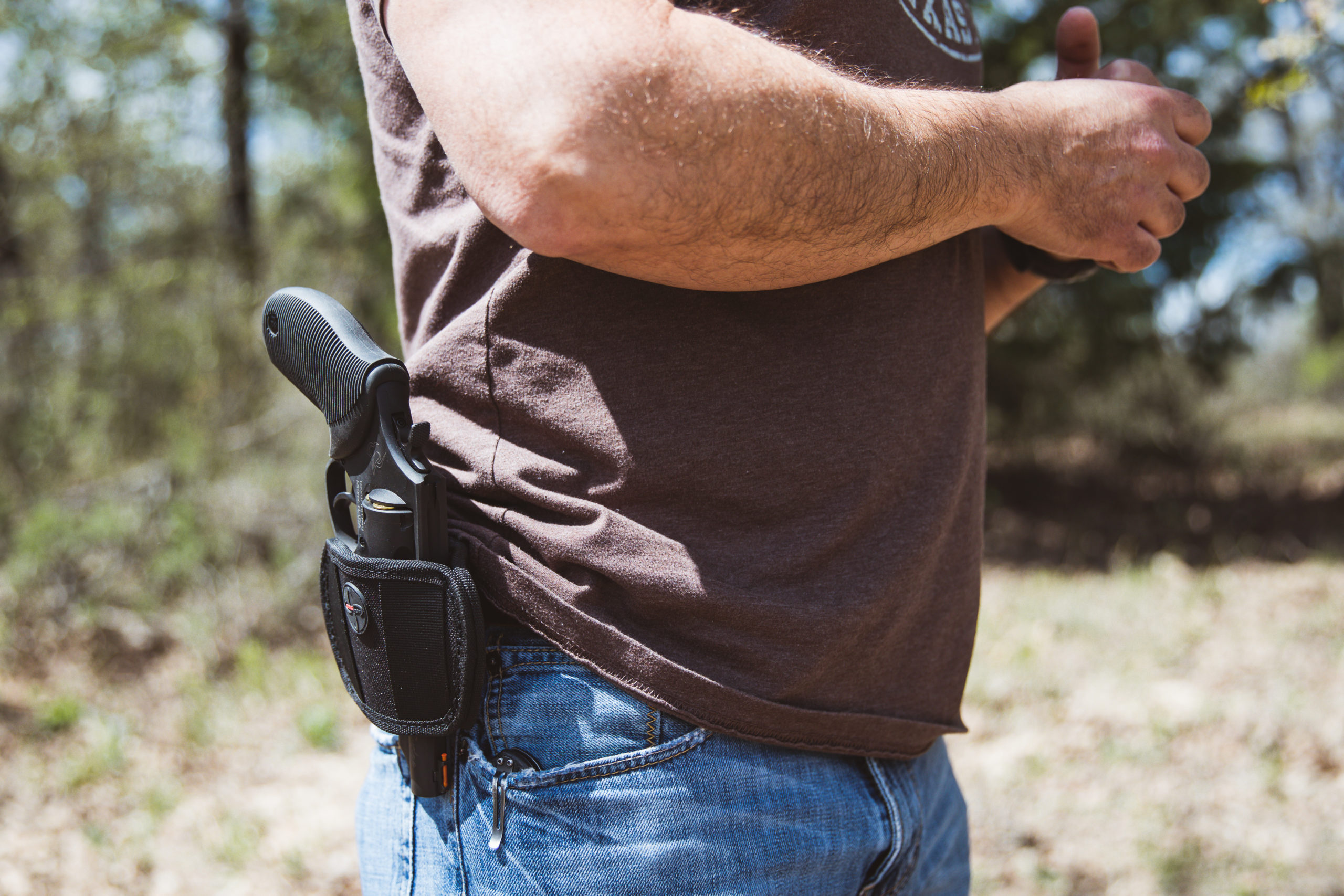
Transporting Firearms in Florida
Beyond carrying, the transportation of firearms in Florida also has specific regulations. These rules are designed to ensure public safety while allowing lawful gun owners to move their firearms.
When transporting a firearm in a vehicle, it must generally be “securely encased” or “not readily accessible.” This often means:
- In a glove compartment (whether locked or not).
- In a closed box or container.
- In a gun case.
- In a holster with a flap.
- In a zippered gun case.
- In a vehicle trunk.
- Any other container that completely encloses the firearm.
The firearm should not be visible or readily accessible to the driver or passengers unless the individual has a CWFL or is carrying under the new permitless concealed carry law. Even with permitless carry, the firearm must be concealed when carried on one’s person in the vehicle. The principle is that the firearm should not be easily grabbed or displayed.
For visitors engaging in activities like hunting or target shooting, the same secure transportation rules apply when moving to and from these designated areas. Always ensure the firearm is unloaded during transport, especially if it’s not being carried under a lawful concealed carry provision.
Responsible Tourism and Firearm Laws
Florida offers an incredible array of experiences, from the natural wonders of the Everglades to the cultural richness of Tampa’s Ybor City. Embracing responsible tourism means respecting local laws and enhancing your personal safety and the safety of those around you.
Prioritizing Safety and Legal Compliance
For any traveler, knowledge is power. Understanding Florida’s firearm laws, especially the nuances between open and concealed carry, is a fundamental aspect of safe and compliant travel. Ignorance of the law is not a valid defense, and violations can lead to serious consequences, including fines, imprisonment, and the forfeiture of firearms.
Even if you are legally entitled to carry a firearm concealed, exercising discretion and good judgment is always advisable. Consider the environment you are in; a bustling family attraction or a crowded public event might not be the most appropriate place for carrying, even if technically legal. The focus should always be on maximizing your enjoyment of Florida’s unique offerings while adhering to all legal and safety protocols. This includes properly securing firearms when not on your person, especially in hotel rooms or vacation rentals, to prevent theft or accidental discharge.
For those who are not familiar with firearm handling or laws, it’s best to err on the side of caution and avoid carrying altogether when traveling. Florida is generally a safe state for tourists, and the need to carry a firearm for personal protection may be lower than perceived, especially in well-trafficked tourist areas where security is often robust.
Understanding the Local Culture and Expectations
While Florida is often perceived as a “gun-friendly” state due to its robust gun rights advocacy and the recent permitless carry law, this does not translate into a widespread acceptance of openly carried firearms in daily public life. The cultural expectation among most Floridians, especially in urban and tourist-heavy areas like Fort Lauderdale or Naples, is that firearms, if carried, are carried concealed. Open display of firearms outside of very specific, lawful circumstances (like hunting or target practice) can cause alarm and lead to calls to law enforcement, potentially resulting in unnecessary interactions or legal complications, even if no law is technically being broken (e.g., in a private parking lot where open carry is sometimes disputed but generally not outright illegal unless otherwise posted).
As a visitor, respecting these local expectations contributes to a more pleasant and harmonious travel experience. The beauty of Florida lies in its diverse attractions, from the serene beaches of the Emerald Coast to the vibrant nightlife of Miami Beach, and focusing on these experiences without the added complexity of firearm concerns is often the best approach for a carefree holiday.
In conclusion, for those asking, “Is Florida an open carry state?”, the answer is a definitive no, with very narrow exceptions. While the state has recently moved to permitless concealed carry, allowing eligible individuals to carry firearms discreetly, openly carrying firearms in public remains largely prohibited. For travelers, understanding and respecting these laws, along with the specific policies of venues and accommodations, is essential for a safe, enjoyable, and legally compliant visit to the Sunshine State. Always prioritize research and adherence to local regulations to ensure your Florida adventure is memorable for all the right reasons.
LifeOutOfTheBox is a participant in the Amazon Services LLC Associates Program, an affiliate advertising program designed to provide a means for sites to earn advertising fees by advertising and linking to Amazon.com. Amazon, the Amazon logo, AmazonSupply, and the AmazonSupply logo are trademarks of Amazon.com, Inc. or its affiliates. As an Amazon Associate we earn affiliate commissions from qualifying purchases.