
New York City, a metropolis woven from dreams and ambition, stands as a testament to human ingenuity and relentless spirit. Its skyline, an iconic silhouette recognized globally, hints at the myriad stories etched into its very foundations. Yet, amidst the myriad nicknames that have graced this legendary urban landscape, one stands out with unique charm and ubiquitous recognition: The Big Apple. More than just a catchy moniker, it’s a phrase imbued with history, aspiration, and the enduring allure of a city that promises unparalleled opportunities and experiences.
For millions around the globe, New York isn’t just a dot on the map; it’s a premier travel destination, a hub of culture, finance, and innovation, and a vibrant mosaic of communities. Understanding why it earned the affectionate title of The Big Apple offers a fascinating journey through its past, illuminating how the city has consistently represented the pinnacle of success and grandeur. This exploration not only uncovers the linguistic origins of the phrase but also sheds light on the broader themes that define New York’s identity – from its historical landmarks and bustling avenues to the diverse tourism experiences and dynamic lifestyle it offers. Dive with us into the captivating history of this legendary nickname and discover how it continues to shape the world’s perception of America’s most exhilarating city.
The Tangled Roots of a Legendary Nickname
The story of The Big Apple is not a straightforward one, devoid of a single, definitive origin point. Instead, it’s a rich tapestry woven from various threads, each contributing to the phrase’s eventual prominence. Its journey from an obscure term to a globally recognized symbol speaks volumes about the city’s evolving identity and its powerful draw.
Early 20th Century: Horse Racing and Jazz Clubs
The most widely accepted origin story for The Big Apple can be traced back to the exhilarating world of early 20th-century horse racing. A sports writer named John J. Fitz Gerald, writing for the New York Morning Telegraph, first popularized the term in print. In the 1920s, Fitz Gerald overheard stable hands and jockeys in New Orleans referring to New York racecourses as “the Big Apple,” a metaphor for the substantial prize money and prestige associated with racing in the city. For these competitors, winning in New York meant claiming the biggest and best prize—the “big apple” of their profession.
Fitz Gerald was so captivated by the phrase that he began titling his racing column “Around the Big Apple,” ensuring its regular appearance in public discourse. He even explained its meaning in a 1924 column: “The Big Apple. The dream of every lad that ever threw a leg over a thoroughbred and the goal of every horseman. There’s only one Big Apple. That’s New York.” His use cemented the term within the racing community, but it was still a niche phrase.

However, the term’s appeal wasn’t confined solely to the racetrack. Around the same time, it began to surface in a completely different cultural arena: the vibrant jazz clubs and music venues that defined New York’s burgeoning entertainment scene. Musicians, particularly those hailing from other cities, saw New York as the ultimate destination for career success. Playing in New York meant you had made it to the top, to the “big apple” of opportunities in the music world. This dual emergence of the term in distinct, yet equally competitive, professional spheres highlights a common thread: New York represented the pinnacle, the most coveted prize, regardless of the field.
The Golden Age of Jazz and Broad Appeal
The 1930s and 40s marked a significant period for The Big Apple as jazz music soared in popularity, and with it, the nickname gained wider currency. New York City became the undisputed capital of jazz, attracting musicians from across the nation seeking their big break. Bands would perform nightly at legendary venues like the Cotton Club in Harlem, and many of these artists, in their conversations and lyrics, referred to New York as The Big Apple. This was the place where dreams were either made or broken, where the biggest audiences and the most significant contracts could be found.
Radio broadcasts and newspaper entertainment sections, keen to capture the buzz of the city’s nightlife, inadvertently helped spread the term further. As jazz gained mainstream appeal, so too did the charming, evocative nickname. It started to be understood by a broader public, moving beyond the exclusive realms of horse racing and jazz into the general lexicon, albeit slowly.
However, despite this growing recognition, The Big Apple was still just one of several nicknames for New York. Others, like “Gotham” (popularized by Washington Irving) and “Knickerbocker” (referring to the descendants of the Dutch settlers), also enjoyed significant usage. The period saw a rich tapestry of epithets, each reflecting a different facet of the city’s character. What would ultimately set The Big Apple apart was its later, strategic embrace by city officials, transforming it from a mere slang term into an iconic symbol.
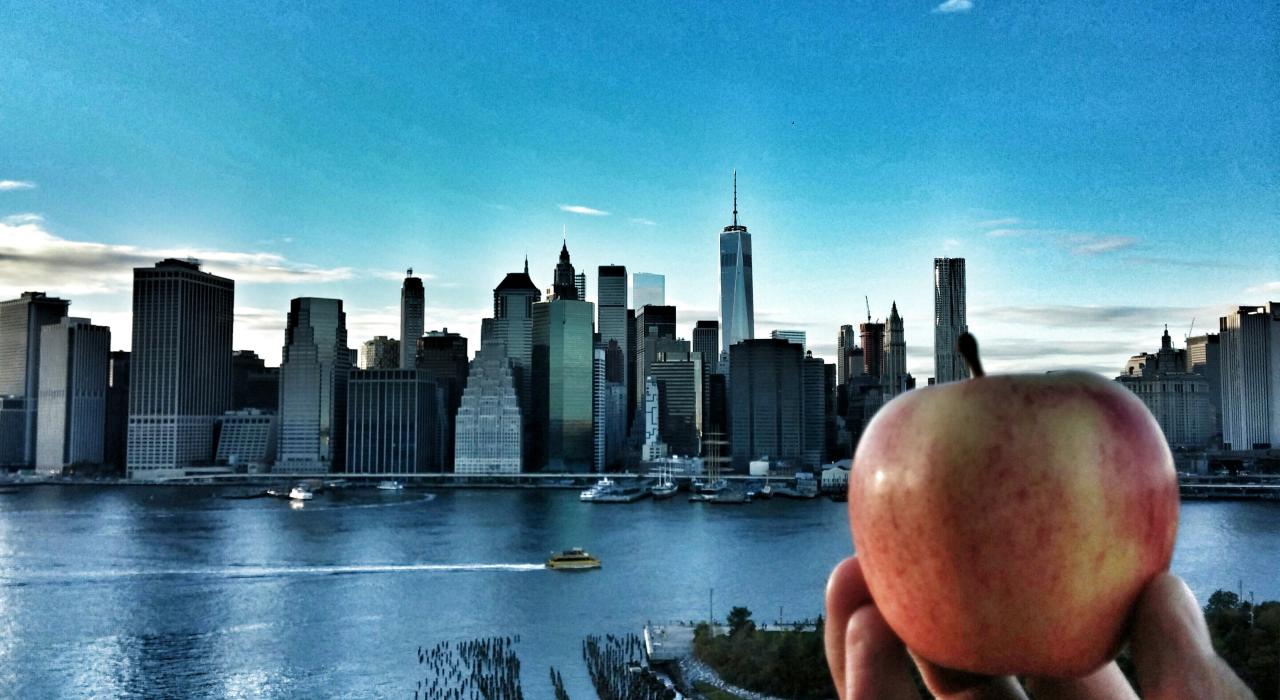
From Obscurity to Global Icon: The Resurgence
After its initial surge in popularity within niche communities, The Big Apple somewhat faded from common usage by the mid-20th century. It lingered as a quaint, historical reference, but it lacked the widespread recognition it enjoys today. Its dramatic resurgence, however, is a remarkable tale of strategic branding and a city’s determination to redefine its image.
The 1970s Revival: A City Rebrands
The 1970s presented New York City with formidable challenges. Economic downturns, rising crime rates, and a pervasive sense of urban decay led to a tarnished reputation. The vibrant, ambitious city of earlier decades was struggling, and its image needed a significant overhaul to attract visitors and investment once more.
In this context, the NYC Convention and Visitors Bureau launched a groundbreaking tourism campaign in 1971. Spearheaded by its president, Charles Gillett, the campaign aimed to project a friendlier, more inviting image of New York. Gillett, an avid jazz fan, was intimately familiar with the term “The Big Apple” from his readings about the city’s jazz era. He recognized its potential: it was unique, evocative, and carried a positive connotation of opportunity and success. It implied that the city was a desirable place to visit, a place where one could find the “biggest apple”—the best experiences.
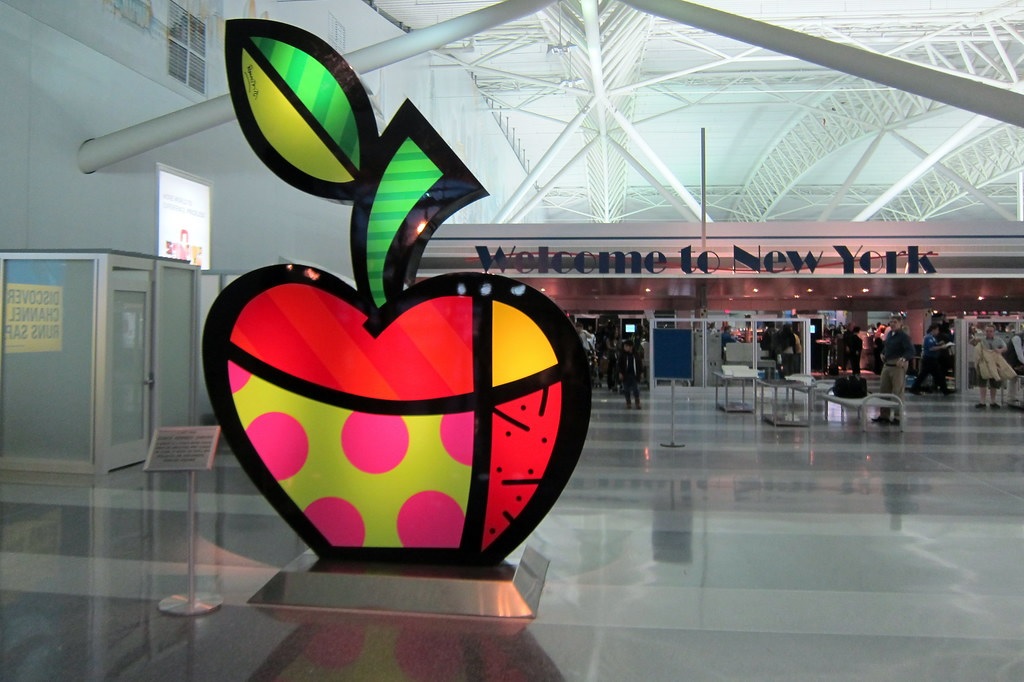
The campaign prominently featured the slogan “Welcome to The Big Apple,” often accompanied by an illustration of a bright red apple. These visuals were plastered across billboards, advertisements, and promotional materials. The simplicity and warmth of the imagery resonated with the public, contrasting sharply with the negative stereotypes that had begun to define the city. The campaign was a resounding success. It not only boosted tourism but also ignited a renewed sense of pride among New Yorkers, helping to lift morale during a difficult period. The Big Apple was no longer just a historical anecdote; it had been consciously resurrected as a symbol of hope and vibrancy, a beacon for travelers and dreamers alike.
Enduring Legacy and Cultural Impact
Following the success of Gillett’s campaign, The Big Apple firmly entrenched itself as the city’s most beloved and enduring nickname. It transcended its origins in horse racing and jazz, becoming a universal shorthand for New York City’s grandeur and global significance. Today, the phrase is ubiquitous, found in countless songs, films, books, and marketing campaigns around the world.
Its symbolism is potent: the apple, a fruit often associated with knowledge, temptation, and health, here represents the ultimate prize, the largest and most rewarding opportunity. New York embodies this spirit of abundance, presenting an unparalleled array of experiences, careers, and cultural encounters. For millions, The Big Apple evokes images of towering skyscrapers, bustling avenues, iconic landmarks, and the relentless pursuit of success. It’s a city where dreams are pursued with unwavering determination, where every street corner holds the promise of discovery, and where the energy is palpable and infectious.
This enduring legacy significantly shapes the perception of New York for potential travelers. The nickname itself acts as an invitation, suggesting that a visit to New York is akin to sampling the finest, most rewarding experience the world has to offer. It reinforces the city’s image as a vibrant, aspirational place, making it an irresistible magnet for those seeking adventure, culture, and a taste of metropolitan life at its most magnificent.
Experiencing The Big Apple Today: A Traveler’s Guide
The Big Apple today is more than just a nickname; it’s an invitation to experience a city brimming with unparalleled travel opportunities. From its world-renowned landmarks to its diverse neighborhoods and innovative accommodation options, New York City consistently delivers on the promise of its iconic moniker. Whether you’re a first-time visitor or a seasoned explorer, the city offers an endless array of attractions and experiences that embody its grand reputation.
Iconic Landmarks and Must-See Attractions
A trip to The Big Apple is incomplete without visiting its legendary landmarks, each telling a unique story of the city’s past and present. The majestic Statue of Liberty stands as a beacon of freedom and welcome in New York Harbor, a sight that has greeted millions of immigrants and visitors. Ascending the historic Empire State Building or the contemporary One World Observatory offers breathtaking panoramic views, truly emphasizing the sheer scale of this urban marvel.
No visit would be complete without experiencing the dazzling lights and vibrant energy of Times Square, where giant billboards and bustling crowds create an unforgettable spectacle. For a dose of tranquility amidst the urban hustle, Central Park provides an expansive green oasis, perfect for strolling, picnicking, or simply people-watching. The architectural grandeur of the Brooklyn Bridge invites visitors for a walk with stunning views of the skyline. Culture enthusiasts will revel in the treasures housed within the Metropolitan Museum of Art and the Museum of Modern Art, while a show on Broadway offers world-class entertainment that defines New York’s theatrical prowess. These attractions, among countless others, embody the “grand prize” spirit of The Big Apple, promising rich and unforgettable experiences for every traveler.
Accommodation and Lifestyle in the Heart of the City
The Big Apple caters to every preference when it comes to accommodation. From opulent luxury hotels and sophisticated boutique apartments in areas like Midtown and SoHo to charming guesthouses in historic neighborhoods like Greenwich Village, the options are as diverse as the city itself. Whether you’re planning a lavish luxury travel escape or a pragmatic budget travel adventure, New York’s extensive range of hotels ensures a comfortable and memorable stay. Reviews and comparison tools are readily available to help visitors find the perfect match for their needs and enjoy a quintessential New York experience.
Beyond accommodation, New York offers a lifestyle that is truly unique. Its food culture is unparalleled, ranging from iconic street food vendors serving hot dogs and pretzels to Michelin-starred restaurants offering avant-garde culinary creations. Exploring the city’s vibrant local culture involves discovering hidden speakeasies, browsing independent bookstores, or catching live music in intimate clubs. Visitors can engage in a myriad of activities, from cycling through Prospect Park in Brooklyn to exploring the trendy art galleries of Chelsea. Practical tips for navigating the subway, securing show tickets, or finding the best hidden gems are invaluable for enhancing any visit. The Big Apple truly encapsulates a world of possibilities, inviting everyone to partake in its dynamic energy and create their own unforgettable New York story.
Conclusion
The journey to understanding why New York is called The Big Apple is a fascinating dive into the city’s heart and soul. What began as an insider term in the competitive worlds of horse racing and jazz evolved through conscious branding efforts into a universally recognized symbol. It’s a nickname that perfectly encapsulates the city’s essence: a place of grand ambitions, unparalleled opportunities, and monumental achievements.
From the roaring twenties, where it signified the top prize for jockeys and jazz musicians, to the revitalizing tourism campaigns of the 1970s, The Big Apple has consistently represented New York City as the pinnacle of desire and success. It stands for the dream that draws millions to its shores, promising a chance at something bigger, something extraordinary. Today, this iconic nickname continues to resonate globally, inviting travelers to discover the magnificent landmarks, immerse themselves in its rich local culture, and indulge in the vibrant lifestyle that only New York can offer.
So, the next time you find yourself gazing up at the towering skyscrapers or strolling through the historic streets, remember the story behind The Big Apple. It’s more than just a name; it’s a living testament to a city that truly offers the biggest and best of everything. Planning your New York adventure? Explore our guides to hotels, attractions, and local experiences to make the most of your visit to this magnificent metropolis.
LifeOutOfTheBox is a participant in the Amazon Services LLC Associates Program, an affiliate advertising program designed to provide a means for sites to earn advertising fees by advertising and linking to Amazon.com. Amazon, the Amazon logo, AmazonSupply, and the AmazonSupply logo are trademarks of Amazon.com, Inc. or its affiliates. As an Amazon Associate we earn affiliate commissions from qualifying purchases.