
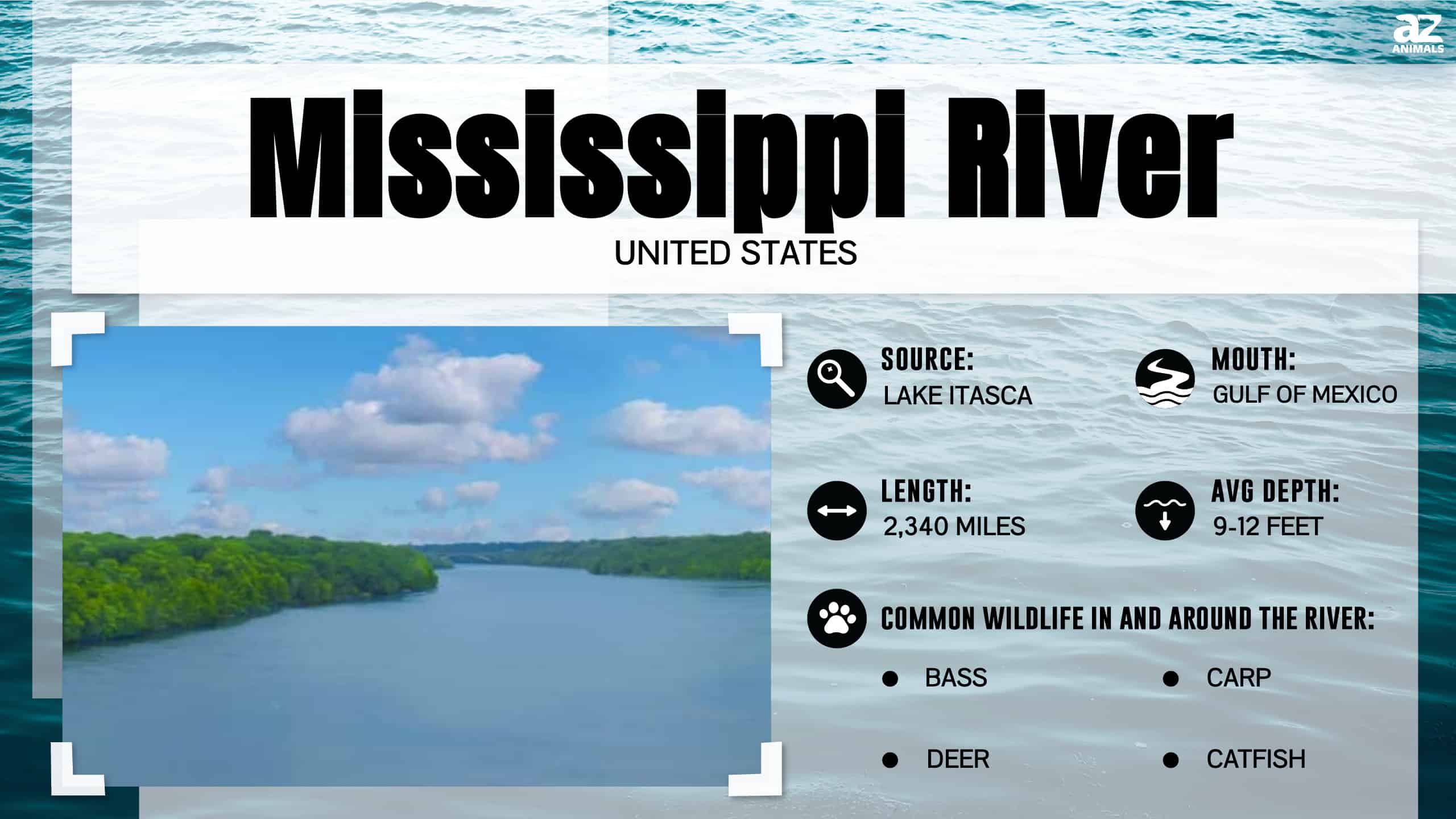
The Mississippi River is more than just a river; it’s a living, breathing artery that courses through the heart of the United States, shaping landscapes, economies, and cultures for millennia. From its humble beginnings in Lake Itasca, Minnesota, to its grand embrace by the Gulf of Mexico in Louisiana, this mighty waterway stretches for approximately 2,340 miles. It serves as a vital conduit for trade, a natural habitat for diverse ecosystems, and a source of endless fascination for travelers and historians alike. But beyond its immense length and historical significance, one question often piques the curiosity of those who gaze upon its wide expanse: how deep is the Mississippi River?
Understanding the river’s depth is crucial, not just for navigational purposes but also for comprehending its ecological role and the myriad ways it has influenced human settlement and development. Its varying depths create distinct environments, from shallow wetlands teeming with wildlife to deep channels that carve paths for massive barges. For anyone planning to travel its banks, embark on a riverboat cruise, or simply learn more about this iconic American landmark, delving into the depths of the Mississippi offers a profound appreciation for its dynamic nature. This article will navigate the intricacies of the Mississippi River’s depth, explore the fascinating destinations and experiences found along its shores, and provide insights into planning your own adventure on America’s most legendary waterway.

The Mississippi River’s Depth: Unveiling the Enigma
The short answer to “how deep is the Mississippi River?” is: it varies significantly. Unlike a consistent man-made canal, a natural river’s depth is influenced by a multitude of factors, including geology, rainfall, sediment deposition, human intervention (like dredging and damming), and the sheer force of its current. The Mississippi is a prime example of such variability, showcasing a dynamic range from mere inches to over 200 feet.
At its shallowest, near its source in Lake Itasca, the river is so narrow and shallow that one can easily wade or even step across it. Here, the water might only be a foot or two deep. As it gathers momentum and tributaries join its flow, the river progressively deepens and widens. However, even in its lower reaches, some sections, particularly those outside the main navigation channel, can still be surprisingly shallow.
Conversely, the deepest point of the Mississippi River is often cited as a section near New Orleans, Louisiana, where it plunges to an impressive depth of approximately 200 feet (about 61 meters). This significant depth is crucial for allowing large ocean-going vessels to access the port of New Orleans, one of the busiest in the United States. This dramatic variance in depth across its long course highlights the river’s complex hydrological profile and its adaptability to serve both natural ecosystems and human commerce.
From Source to Sea: A Shifting Profile
To truly understand the Mississippi River’s depth, it’s helpful to break it down into its distinct sections:
-
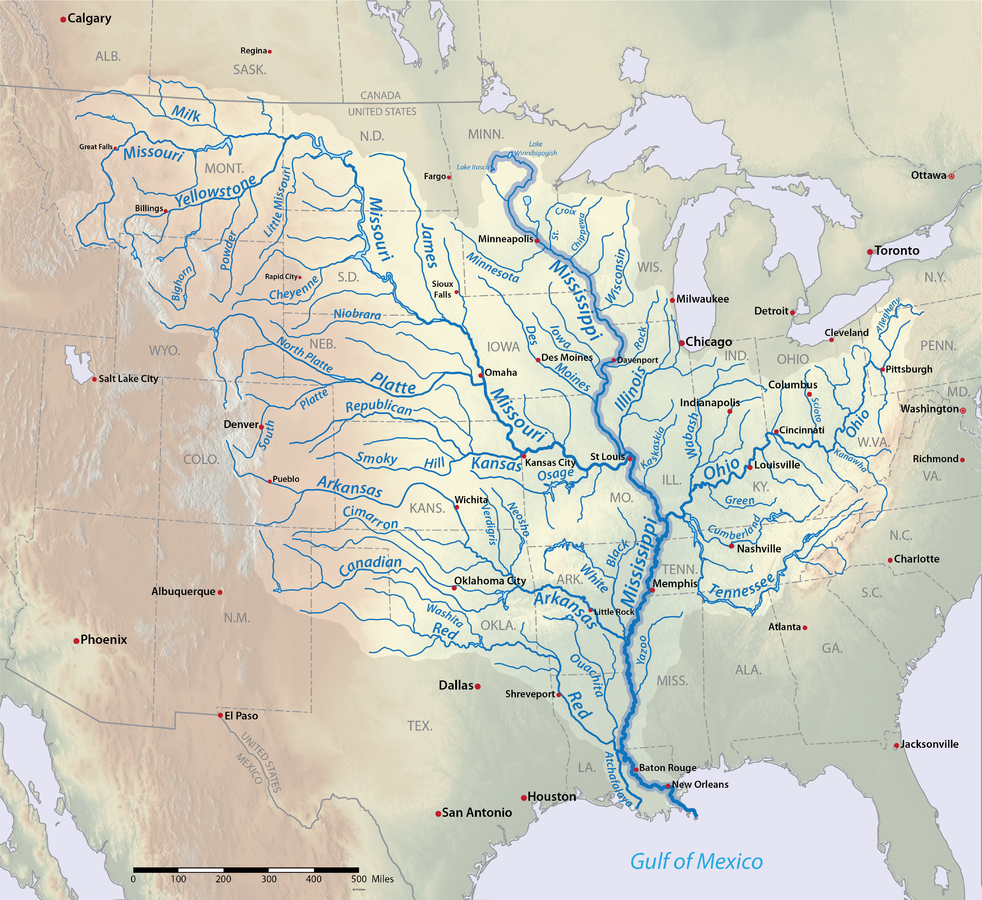
Upper Mississippi River: Extending from its source in Lake Itasca to the confluence with the Ohio River at Cairo, Illinois, this segment is characterized by numerous locks and dams that maintain a navigable channel. In many areas, especially closer to Minnesota and Wisconsin, the depth can range from 9 to 15 feet in the main channel, primarily maintained for barge traffic. This region also features many shallower backwaters and floodplains crucial for wildlife. Cities like Minneapolis and St. Paul, and further south, St. Louis, interact directly with these depths.
-
Middle Mississippi River: This section is relatively short, running from Cairo, Illinois to the confluence with the Missouri River. It’s a free-flowing stretch without locks and dams, where the river’s depth can fluctuate more dramatically depending on water levels. Depths here can still be substantial in the main channel, around 30 to 50 feet, but the river’s current is more powerful and unpredictable.
-
Lower Mississippi River: From the confluence with the Ohio River to the Gulf of Mexico, this is the deepest and widest part of the river. It’s also free-flowing, devoid of locks and dams, and its depth is largely maintained by dredging operations. Depths in the navigation channel typically range from 50 to 100 feet, with specific areas like the port of New Orleans reaching the aforementioned 200 feet. Cities like Memphis, Vicksburg, Natchez, and Baton Rouge lie along this impressive stretch.
Beyond Average: Record Depths and Notable Spots
While the average depth across the entire Mississippi River is often cited as around 30 feet, this figure can be misleading due to the extreme variations. The deepest points are almost exclusively found in the Lower Mississippi River, particularly within engineered shipping channels. These deep areas are not natural phenomena in the same way that a mountain lake might have a single, exceptionally deep point. Instead, they are the result of the river’s immense volume and the continuous work of the U.S. Army Corps of Engineers to maintain a navigable depth for global commerce.
The importance of these deep channels cannot be overstated. They are critical for the economic vitality of the riverine states and the United States as a whole, enabling the transport of agricultural products, oil, chemicals, and other goods. For travelers, understanding these depths might enhance the experience of a riverboat cruise as you ponder the massive scale of engineering and natural power at play beneath your feet.
Navigating the Mississippi: A Traveler’s Guide
Exploring the Mississippi River is an iconic American travel experience, offering a journey through history, culture, and breathtaking natural beauty. Whether you’re drawn to the vibrant music scenes of Memphis and New Orleans, the pioneering spirit of St. Louis, or the serene landscapes of the Upper Mississippi, there’s an adventure awaiting every type of traveler. The depths of the river, while not directly visible, influence every aspect of travel, from the size of the vessels that ply its waters to the ecosystems that thrive along its banks.
Iconic Cities and Their Waterfront Allure
Many of America’s most celebrated cities owe their existence and character to the Mississippi River. Each offers a unique blend of attractions, accommodation, and lifestyle experiences:
-
New Orleans, Louisiana: The undisputed queen of the Lower Mississippi, New Orleans is a city unlike any other. Explore the historic French Quarter, ride a streetcar through the elegant Garden District, or soak in the jazz on Bourbon Street. The city’s deep-water port is a testament to the river’s navigational prowess. For accommodation, consider luxurious stays at the Hotel Monteleone or charming boutique options like the Dauphine Orleans Hotel right in the heart of the historic district. Don’t miss a visit to the Audubon Aquarium of the Americas for a glimpse of riverine and marine life.
-
Memphis, Tennessee: The home of the blues, soul, and rock ‘n’ roll, Memphis pulses with musical energy. Visit Graceland, walk down Beale Street, and reflect at the National Civil Rights Museum. The Mud Island River Park offers an excellent perspective on the river itself. The Peabody Memphis is a grand historic hotel, famous for its duck march, offering a luxurious stay.
-
St. Louis, Missouri: Dominated by the iconic Gateway Arch, St. Louis is a city of westward expansion and baseball. Take a tram to the top of the Arch for panoramic views of the river and city. Explore Forest Park, home to museums and the zoo. High-end options like the Four Seasons Hotel St. Louis provide luxury, while the Hotel Indigo St. Louis Downtown offers a stylish, modern alternative.
-
Minneapolis, Minnesota: Where the Mississippi begins its grand journey, Minneapolis is a vibrant city with a thriving arts scene and beautiful parks. Explore the Mill City Museum, stroll along the Stone Arch Bridge, and visit the Minneapolis Institute of Arts. For shopping enthusiasts, the Mall of America is a short drive away. Accommodation ranges from trendy downtown hotels to cozy bed and breakfasts.
Riverboat Cruises: A Journey Through Time
There’s no more authentic way to experience the Mississippi River than on a traditional riverboat. These cruises, often evoking the charm of the 19th century, offer a unique blend of history, relaxation, and entertainment. The deep channels of the Lower Mississippi are particularly well-suited for larger vessels, but cruises exist on the Upper Mississippi as well.
Companies like the American Queen Steamboat Company operate magnificent paddlewheelers such as the American Queen and the American Duchess, providing multi-day itineraries from New Orleans to Memphis and beyond, or along the Ohio River and Upper Mississippi. For a taste of history, the iconic Steamship Natchez offers daily jazz cruises from New Orleans. These cruises are not just about transportation; they are immersive experiences complete with live music, gourmet Southern cuisine, expert lectures on river history, and stops at charming river towns like Natchez and Vicksburg. It’s a way to truly appreciate the lifeblood of America, just as Mark Twain once did.
Experiencing the Mississippi Lifestyle
Beyond the major cities and cruises, the Mississippi River region offers a rich tapestry of lifestyle experiences, from culinary adventures to unique accommodation options that reflect the diverse character of the river itself. Embracing the Mississippi lifestyle means slowing down, savoring local flavors, and immersing oneself in the rhythm of river life.
Culinary Delights Along the Riverbanks
The cuisine along the Mississippi River is as varied as its depths. In Louisiana, you’ll find the spicy, vibrant flavors of Cajun and Creole cooking – think gumbo, jambalaya, and fresh seafood. Moving north to Mississippi and Tennessee, barbecue reigns supreme, with each town boasting its own secret rubs and sauces. Further up the river in Missouri, Iowa, and Illinois, comfort food, farm-to-table dining, and a growing craft beer scene take center stage.
Food festivals are a common occurrence in river towns, celebrating everything from catfish to peaches. Engaging with local eateries, from upscale restaurants in New Orleans to hole-in-the-wall barbecue joints in Memphis, is an essential part of the Mississippi River travel experience.
Unique Stays and Accommodations
The choice of accommodation can greatly enhance your Mississippi River adventure. While major cities offer a full range of hotels from budget to luxury (like the Four Seasons Hotel St. Louis or the historic Peabody Memphis), consider these distinctive options:
- Boutique Hotels and Historic Inns: Many smaller river towns like Natchez or Vicksburg are home to beautifully restored antebellum mansions converted into charming bed and breakfasts. These offer a glimpse into the region’s past and provide a personalized, intimate experience. For example, The Charmant Hotel, La Crosse in Wisconsin offers a luxurious boutique experience on the Upper Mississippi.
- Riverfront Lodges and Cabins: For those seeking a closer connection with nature, particularly in the Upper Mississippi region, numerous lodges and cabins offer stunning river views, opportunities for fishing, birdwatching, and kayaking.
- Glamping Experiences: A growing trend, glamping sites near the river provide a luxurious camping experience, blending the comforts of a hotel with the beauty of the outdoors.
- Houseboats: In some areas, particularly lakes formed by river dams, houseboats can be rented for a unique, immersive stay directly on the water.
Planning Your Mississippi River Adventure
Whether you’re planning a short city break or an epic journey along the entire river, a bit of planning will ensure a memorable trip. Consider the time of year – spring and fall often offer the most pleasant weather for exploring, though each season has its charm.
- Budget vs. Luxury: The Mississippi River caters to all budgets. Backpackers can find hostels and budget hotels, enjoy street food, and explore free attractions. Luxury travelers can indulge in five-star hotels, gourmet dining, and opulent riverboat cruises like those offered by the American Queen Steamboat Company.
- Transportation: Driving the Great River Road (a scenic byway running parallel to much of the river) offers flexibility and the chance to discover hidden gems. Flights into major cities like New Orleans, Memphis, or St. Louis provide convenient starting points. And, of course, the riverboat cruise itself is a fantastic mode of transport, allowing you to relax and let the river carry you.
- Activities: From fishing and kayaking in the Upper Mississippi to exploring historic plantations near Natchez and vibrant music clubs in Memphis, the activities are endless. Check local tourism boards for events, festivals, and guided tours that align with your interests.
The Mississippi River’s depth is a metaphor for its profound influence – sometimes shallow and accessible, sometimes unfathomably deep and powerful. It’s a river that constantly changes, reflecting the history, ecology, and spirit of the United States. From its source to its mouth, the Mississippi invites exploration, promising rich experiences and unforgettable memories for every traveler who ventures to its iconic shores. So, pack your bags, choose your adventure, and prepare to discover the countless wonders of America’s enduring “Father of Waters.”
LifeOutOfTheBox is a participant in the Amazon Services LLC Associates Program, an affiliate advertising program designed to provide a means for sites to earn advertising fees by advertising and linking to Amazon.com. Amazon, the Amazon logo, AmazonSupply, and the AmazonSupply logo are trademarks of Amazon.com, Inc. or its affiliates. As an Amazon Associate we earn affiliate commissions from qualifying purchases.