
The Digital Landscape of the Midwest
When residents across the plains of Kansas experience the blazing-fast speeds of modern high-speed internet, few stop to wonder about the physical journey behind the technology. The question of where Quantum Fiber equipment originates often arises when a technician arrives at a home in Overland Park or Wichita to install routers, optical network terminals, and miles of delicate glass wiring. Understanding the supply chain of this digital infrastructure reveals a fascinating global network that connects major manufacturing hubs to the heartland of America.
Telecommunications infrastructure is rarely manufactured in a single location. Instead, it represents a culmination of international engineering, domestic warehousing, and local distribution networks. For subscribers in cities like Kansas City and Topeka, the equipment that brings gigabit speeds to their living rooms travels an intricate path before it ever reaches a local service van.
The Anatomy of Fiber Optic Infrastructure
To understand the sourcing of this technology, one must look at the distinct components that make up a fiber-to-the-home installation. The hardware generally falls into three main categories:
- The Fiber Optic Cables: Extremely thin strands of glass or plastic designed to transmit data using light pulses.
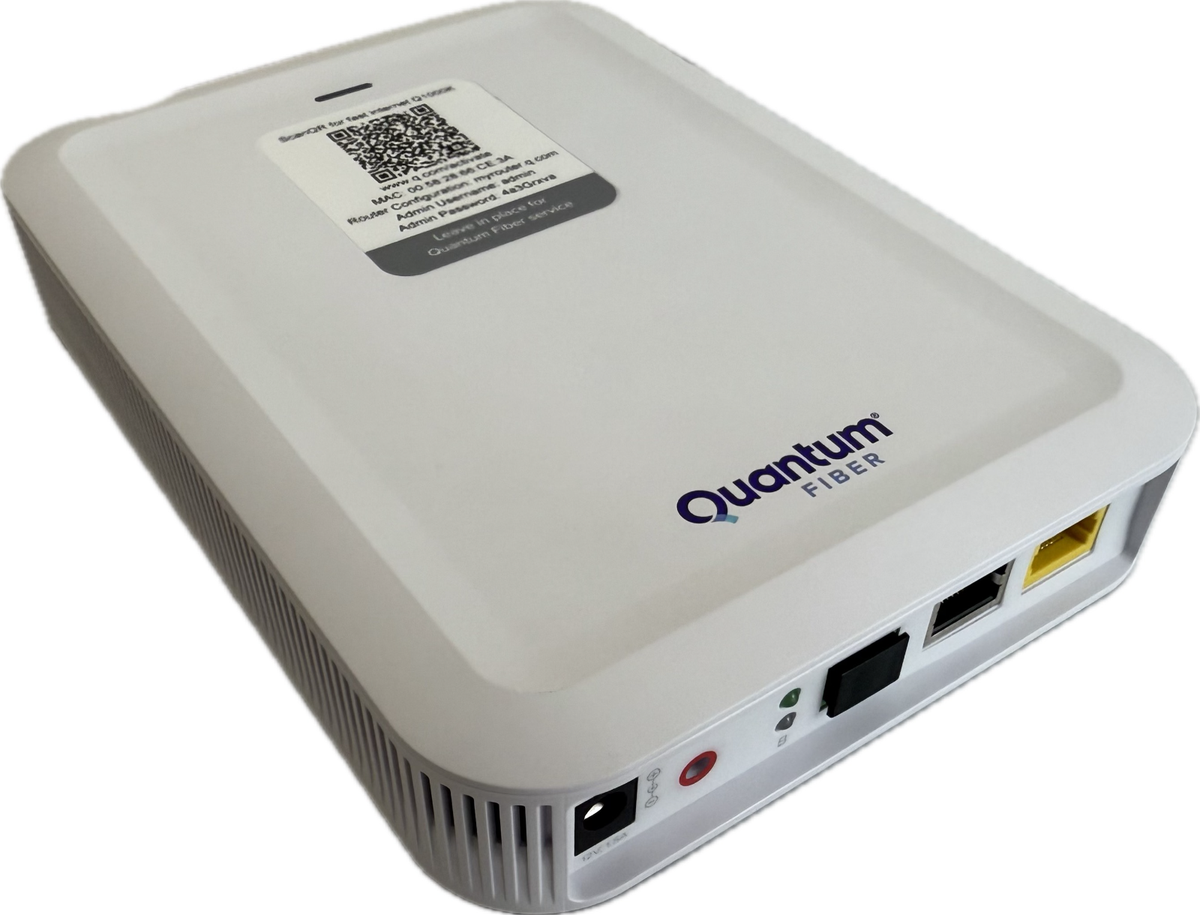
- Optical Network Terminals (ONTs): Devices placed inside or outside the home that convert light signals into electrical Ethernet signals.
- Wi-Fi Routers and Gateways: Advanced networking hardware that broadcasts wireless signals throughout a residence.
Each of these components has a distinct point of origin, reflecting the specialized nature of modern manufacturing. While the core technology is developed through cutting-edge research, the physical assembly relies on a robust global supply chain.
Global Manufacturing Hubs and International Origins
The journey of Quantum Fiber equipment begins far beyond the borders of Kansas. Like most major telecommunications providers, the hardware utilized for high-speed fiber networks is primarily manufactured in specialized technology hubs across Asia. Countries such as China, Taiwan, South Korea, and Vietnam serve as the primary manufacturing epicenters for advanced networking routers, microchips, and optical transceivers.
Semiconductor and Circuit Board Production
At the heart of every router and ONT is a complex array of semiconductors and printed circuit boards (PCBs). Nations like Taiwan and South Korea dominate the global semiconductor market, producing the microscopic processors that allow these devices to manage massive data loads efficiently. Once these precision components are fabricated, they are shipped to assembly plants—frequently located in mainland China or Southeast Asia—where workers and automated machinery assemble the final consumer-facing hardware, such as advanced Wi-Fi gateways.
Glass Sourcing and Cable Extrusion
The physical fiber strands themselves require high-purity silica glass. Major global chemical and material science corporations, some based in Japan, Germany, and the United States, produce the raw preforms from which fiber optic strands are drawn. These strands are then encased in protective polymer coatings and bundled into heavy-duty distribution cables, often manufactured in specialized industrial facilities worldwide before being exported to North American distribution centers.
Domestic Distribution and Regional Warehousing
Once the hardware leaves international manufacturing plants, it enters a vast logistics network designed to transport sensitive electronics safely across oceans and continents. Cargo ships typically arrive at major West Coast ports in California, such as the ports of Los Angeles and Long Beach. From these bustling maritime gateways, the equipment is loaded onto freight trains and semi-trucks bound for central distribution hubs in the Midwest.
The Central Logistics Pipeline
For services operating within the central United States, regional distribution centers play a crucial role in staging inventory. Major hubs located in logistics-heavy states like Missouri, Illinois, and Texas act as clearinghouses for telecommunications hardware. These massive warehouses manage inventory levels, perform software pre-load configurations, and bundle equipment kits specifically tailored for technician deployment or direct-to-consumer shipping.
Arrival in the Sunflower State
When regional hubs receive requisitions from local operations, the equipment makes its final domestic transit into Kansas. Local service yards and storage depots—situated in commercial districts across Lawrence, Manhattan, and Salina—receive regular shipments of routers, wiring spools, splice enclosures, and mounting brackets.
From these local staging areas, field technicians load their vehicles each morning, ensuring they have the exact hardware needed to connect new neighborhoods and business parks to the fiber grid.
The Local Installation Ecosystem
The final phase of the equipment’s journey occurs right at the customer’s doorstep. While the hardware was manufactured overseas and warehoused regionally, its implementation in Kansas relies heavily on a dedicated local workforce of field technicians, engineers, and support staff.
From the Van to the Wall
When a technician arrives at a suburban home in Overland Park or a rural property near Dodge City, the equipment they carry represents the final link in a global chain. The installation process involves several precise steps:
- Drop Cable Splicing: Connecting the external neighborhood fiber line to the home entry point using specialized fusion splicers.
- ONT Placement: Installing the Optical Network Terminal on an exterior or interior wall to translate light signals.
- Gateway Configuration: Setting up the high-performance Wi-Fi router to ensure seamless coverage throughout the building.
Each piece of hardware is carefully tracked through enterprise inventory systems, ensuring that from the moment a microchip is soldered in Asia to the moment it is plugged into an electrical outlet in Kansas, its performance and location are fully accounted for.

Conclusion: A Global Effort for Local Connectivity
The equipment that powers high-speed fiber internet in Kansas is a testament to modern global cooperation and sophisticated supply chain management. While the physical routers, terminals, and cables may originate thousands of miles away in international manufacturing hubs, their ultimate destination is the modern American household. Through a seamless blend of international production, continental logistics, and local technical expertise, the journey from overseas factory floors to living rooms across the Sunflower State enables the high-speed digital connectivity that drives our modern world forward.
LifeOutOfTheBox is a participant in the Amazon Services LLC Associates Program, an affiliate advertising program designed to provide a means for sites to earn advertising fees by advertising and linking to Amazon.com. Amazon, the Amazon logo, AmazonSupply, and the AmazonSupply logo are trademarks of Amazon.com, Inc. or its affiliates. As an Amazon Associate we earn affiliate commissions from qualifying purchases.