
Navigating the Geography of Kansas City International Airport
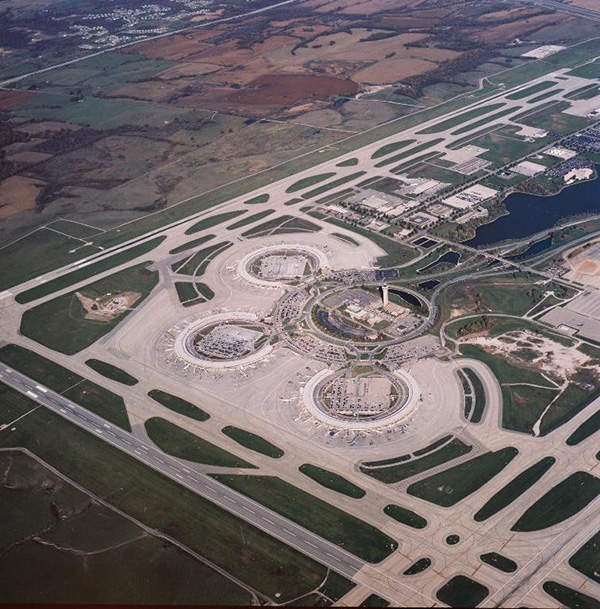
When travelers prepare to visit the vibrant heart of the American Midwest, a common question arises: Where is Kansas City International Airport? Situated far beyond the dense blocks of downtown Kansas City, the airport occupies a sprawling expanse in Platte County, Missouri. Specifically, it rests about 15 miles northwest of the city’s central business district. This strategic location places the aviation hub within easy reach of major regional thoroughfares, making it a vital gateway for both business and leisure travelers exploring the Heartland.
Understanding the precise positioning of the facility requires looking beyond mere coordinates. The airport sits adjacent to Interstate 29 and Interstate 435, two critical arteries that connect motorists to various parts of the Kansas City Metropolitan Area. Because of this expansive footprint, passengers arriving from neighboring states like Kansas or Iowa find the transit routes straightforward and well-marked. Whether one is heading toward the bustling Power and Light District or traveling further out to suburban destinations like Overland Park, the airport serves as an optimal starting point for any regional itinerary.

Proximity to Key Regional Hubs
The geographic placement of the aviation facility offers distinct advantages for travelers looking to explore the broader Midwest. While it serves as the primary aerial port for the bi-state metropolitan area, its location in northern Platte County means that suburban communities and neighboring rural landscapes are remarkably accessible.
- Downtown Kansas City: Approximately a 20-to-25-minute drive south via Interstate 29 South.
- The Country Club Plaza: Roughly 30 minutes away, offering premier shopping and Spanish-inspired architecture.
- The Kansas Border: Just a short drive west across the Missouri River, connecting visitors quickly to Wyandotte County and beyond.
Evolution of the Airport and Its Modern Terminal
To fully appreciate the location of Kansas City International Airport, one must understand its historical development and recent infrastructural transformations. Originally opened as Kansas City International Airport in the early 1970s, the facility was long famous for its unique single-terminal, horseshoe-shaped design. While this layout historically allowed passengers to walk mere steps from their vehicles to their boarding gates, it eventually presented significant challenges for modern security screening, passenger amenities, and connecting flight operations.
Recognizing the need for a modernized travel experience, city leaders and aviation authorities undertook a massive capital improvement project, culminating in the opening of a brand-new, state-of-the-art single terminal. This new architectural marvel replaced the aging three-terminal setup, centralizing all operations into a cohesive, highly efficient environment. Despite these sweeping internal changes, the geographical footprint of the airport remained steadfastly anchored in its northern Platte County location, continuing to utilize its vast acreage for runways, parking structures, and future expansions.
Architectural and Structural Highlights
The contemporary terminal design focuses heavily on passenger comfort, accessibility, and operational flow. Key features of the modern facility include:
- Centralized Security and Ticketing: Streamlining the passenger journey by removing the fragmented checkpoints of the past.
- Expansive Gate Concourses: Divided into spacious concourses featuring local culinary options that celebrate famous Kansas City barbecue.
- Art Installations: Integrating regional culture through extensive public art displays curated by local and international creators.
Transportation and Accessibility Options
Reaching Kansas City International Airport from various points across the Kansas City Metropolitan Area involves navigating a well-developed transit network. Because the facility is situated outside the immediate urban core, relying exclusively on walking or commuter rail is not currently an option. Instead, travelers utilize a combination of highways, rental cars, shuttle services, and public bus routes to bridge the distance between the tarmac and the city center.
For drivers coming from downtown Kansas City, the journey primarily involves taking Interstate 29 North. Clear signage guides motorists directly to the airport loops, separating commercial drop-offs, parking garages, and rental car return zones. Ride-sharing services, taxis, and hotel shuttles also maintain a constant presence, staging in dedicated zones designed to minimize congestion and expedite passenger pickups.
Public Transit and Regional Connectivity
While personal vehicles and private car services dominate the transit landscape, public options do exist for budget-conscious travelers:
- RideKC Bus Route 229: This public transit line connects the airport directly to downtown Kansas City, offering an economical route for commuters and visitors alike.
- Hotel Shuttles: Many prominent hospitality venues, such as those near the Kansas City Convention Center or the Zona Rosa Shopping Center, provide complimentary or scheduled transportation directly to and from the terminals.
- Rental Car Center: A dedicated off-site facility connected by frequent, high-capacity shuttle buses ensures that securing a vehicle upon arrival is a seamless experience.
Surrounding Attractions and Where to Stay
The area surrounding Kansas City International Airport offers much more than just flight logistics. Situated in the scenic hills of Platte County, travelers often find themselves pleasantly surprised by the local charm, outdoor recreation spaces, and convenient lodging options located just minutes from the terminal loops. Exploring this immediate vicinity provides a gentle introduction to the broader culture of the Midwest.
Visitors looking to unwind before a flight or recovering from a long journey can easily access nearby parks, historical sites, and shopping districts without venturing all the way into downtown Kansas City. For instance, English Landing Park, located along the Missouri River in nearby Parkville, offers peaceful walking trails and scenic overlooks that highlight the natural beauty of the region.

Lodging and Convenience
A robust selection of accommodations lines the corridors near Interstate 29 and Interstate 435, catering to overnight travelers, flight crews, and business professionals.
- Airport-Adjacent Hotels: Numerous nationally recognized flag properties offer quiet rooms, shuttle services, and flexible parking packages for travelers leaving their vehicles behind.
- Parkville Historic District: For those seeking a more boutique or historic experience, nearby Parkville features quaint bed-and-breakfasts, local antique shops, and distinctive dining establishments.
- Dining and Retail: The Zona Rosa Shopping Center provides an open-air retail and culinary experience just a short drive south of the airfield, ensuring that visitors never have to travel far for a great meal or last-minute travel supplies.