
The Geographical Misconception of a Legendary Venue
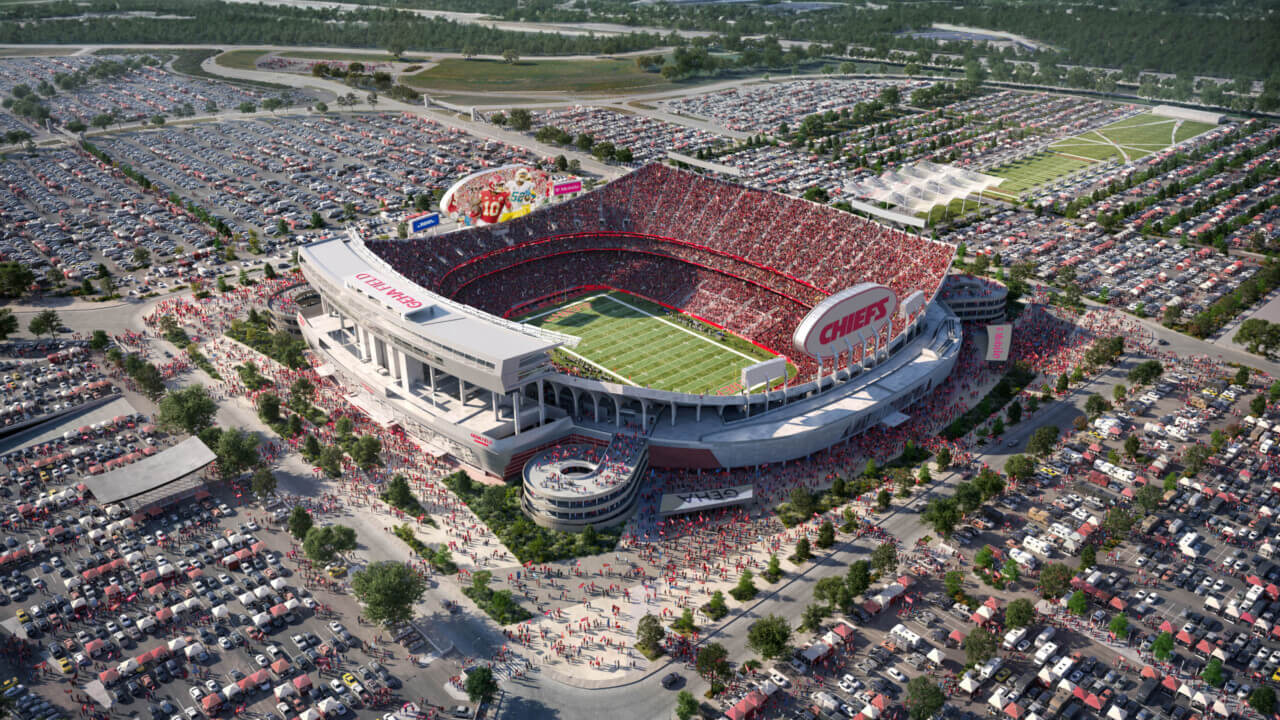
When sports fans and travelers plan a pilgrimage to one of the most electric venues in the National Football League, a common point of confusion inevitably arises regarding its precise location. The debate over whether this iconic sports arena sits in the Sunflower State or the Show-Me State has persisted for decades. To settle the matter definitively, GEHA Field at Arrowhead Stadium is located in Kansas City, Missouri, rather than its neighboring state, Kansas.
This geographical nuance often baffles visitors because the metropolitan area spans both sides of the state line. The metropolitan sprawl creates a unique binational cultural hub where state borders blur in the minds of tourists. However, municipal tax boundaries, state jurisdictions, and official postal addresses firmly anchor the facility within the borders of Missouri. Understanding this distinction is vital for travelers mapping out their itineraries, booking accommodations, and calculating travel times from Kansas City International Airport.

The confusion is further compounded by the existence of Kansas City, Kansas, a distinct municipality situated just west of the state line. While the larger, more culturally prominent namesake city resides in Missouri, the smaller sister city holds its own attractions, including Children’s Mercy Park, home to Sporting Kansas City. Travelers frequently book hotels on the Kansas side of the metropolitan area unaware that crossing the state line is required to reach game-day festivities at the home of the Kansas City Chiefs.
Historical Roots and Architectural Significance
The history of this legendary sports monument dates back to the late 1960s when team visionary Lamar Hunt and civic leaders conceptualized a revolutionary sports complex. Before the construction of the Truman Sports Complex, professional football shared spaces with baseball across the country. The visionary blueprint for the facility broke the mold by designing a dedicated, state-of-the-art arena specifically tailored for the gridiron, setting a new standard for modern stadium architecture.
The Truman Sports Complex Vision
The master plan for the Truman Sports Complex placed two distinct arenas side-by-side: one for football and one for baseball, which eventually became Kauffman Stadium, home of the Kansas City Royals. Opened in 1972, the football arena immediately captured the imagination of architects and fans alike with its bold, innovative bowl design. The seating tiers were meticulously engineered to maximize acoustics, trapping the roar of the crowd and channeling it directly onto the playing field to create an intimidating atmosphere for visiting teams.
Over the decades, the architectural marvel has undergone numerous multimillion-dollar renovations to modernize amenities while fiercely preserving its historic charm and unmatched sightlines. Unlike many modern corporate domes, the open-air design connects fans to the elements and the rich traditions of the sport. The structural evolution includes the addition of premium suites, state-of-the-art video boards, and enhanced concourses, ensuring that a midwestern architectural masterpiece remains competitive with newer, multi-billion-dollar venues across the country.
A Landmark of Modern Sports Culture
As a recognized historical landmark of sports culture, the venue has hosted countless historic moments, legendary concerts, and international soccer matches. Its status extends far beyond local pride; it is widely regarded as a sacred space for football purists. The architectural layout encourages a communal energy that is rare in modern professional sports, bridging generations of fans who have gathered in the parking lots for legendary pre-game tailgate traditions.
Navigating the Metropolitan Area
Visiting the sprawling midwestern metropolis requires a clear understanding of its unique layout, transportation networks, and regional geography. Because the metropolitan area is cleaved by a state line, navigating between attractions, dining districts, and the stadium demands geographical awareness. Visitors arriving via commercial aviation will land at the newly modernized terminal north of the city center, requiring a drive of roughly thirty miles southeast to reach the stadium grounds.
Transportation and Accessibility
Getting to the sports complex efficiently involves planning around major thoroughfares such as Interstate 70 and Interstate 435. While public transit options exist, the vast majority of attendees rely on personal vehicles, rideshares, or private shuttle services due to the sprawling nature of the complex and the legendary scale of pre-game tailgating.
- Driving from Downtown: The drive from the vibrant Power & Light District takes approximately fifteen minutes eastward via major interstate connections.
- Arriving from the Airport: Travelers coming from the northern air hub should allocate at least thirty-five to forty-five minutes of travel time, accounting for typical midwestern traffic patterns.
- State Line Crossings: Visitors staying in western suburbs located within the neighboring state must factor in the interstate commute across the state border.
Surrounding Neighborhoods and Attractions
Beyond the stadium gates, the region offers a rich tapestry of cultural experiences, world-class culinary destinations, and historical sites. Exploring the surrounding districts provides a holistic view of a community deeply proud of its heritage.
- Country Club Plaza: Known for its stunning Spanish-inspired architecture and upscale shopping, this historic district is a must-visit for travelers seeking refined dining and retail therapy.
- National WWI Museum and Memorial: Standing as a poignant tribute to the heroes of the Great War, this striking monument offers panoramic views of the downtown skyline.
- American Jazz Museum: Located in the historic 18th and Vine Historic District, this cultural hub celebrates the rich musical roots that shaped the global jazz landscape.
Culinary Traditions and Tailgate Culture
No exploration of this legendary sports landmark is complete without diving into the world-renowned barbecue culture that defines the region. The culinary identity is built upon slow-smoked meats, secret dry rubs, and rich, molasses-based sauces that have drawn praise from food critics and travelers worldwide.
The Art of the Tailgate
The pre-game tailgate outside the stadium gates is not merely a meal; it is a meticulously orchestrated cultural ritual. Hours before kickoff, thousands of fans ignite industrial smokers, grills, and fire pits in the vast parking lots, filling the air with the unmistakable aroma of hickory-smoked brisket, burnt ends, ribs, and pulled pork. This communal feast welcomes both passionate locals and curious travelers, embodying the signature hospitality of the American Heartland.
Iconic Local Barbecue Institutions
For visitors eager to sample authentic regional flavors outside of the parking lot, several legendary establishments anchor the local culinary scene:
- Arthur Bryant’s Barbeque: A historic culinary institution famous for its cafeteria-style service and coarse, vinegar-based sauces that have delighted presidents and celebrities for generations.
- Gates Bar-B-Q: Instantly recognizable by the enthusiastic greetings of staff shouting “Hi, may I help you?” as patrons walk through the door, offering robust flavors and signature spicy sauces.
- Joe’s Kansas City Bar-B-Q: Operating out of a converted gas station, this beloved destination serves up legendary pulled pork and award-winning brisket that routinely commands hours-long queues.
Experiencing the World’s Loudest Fanbase
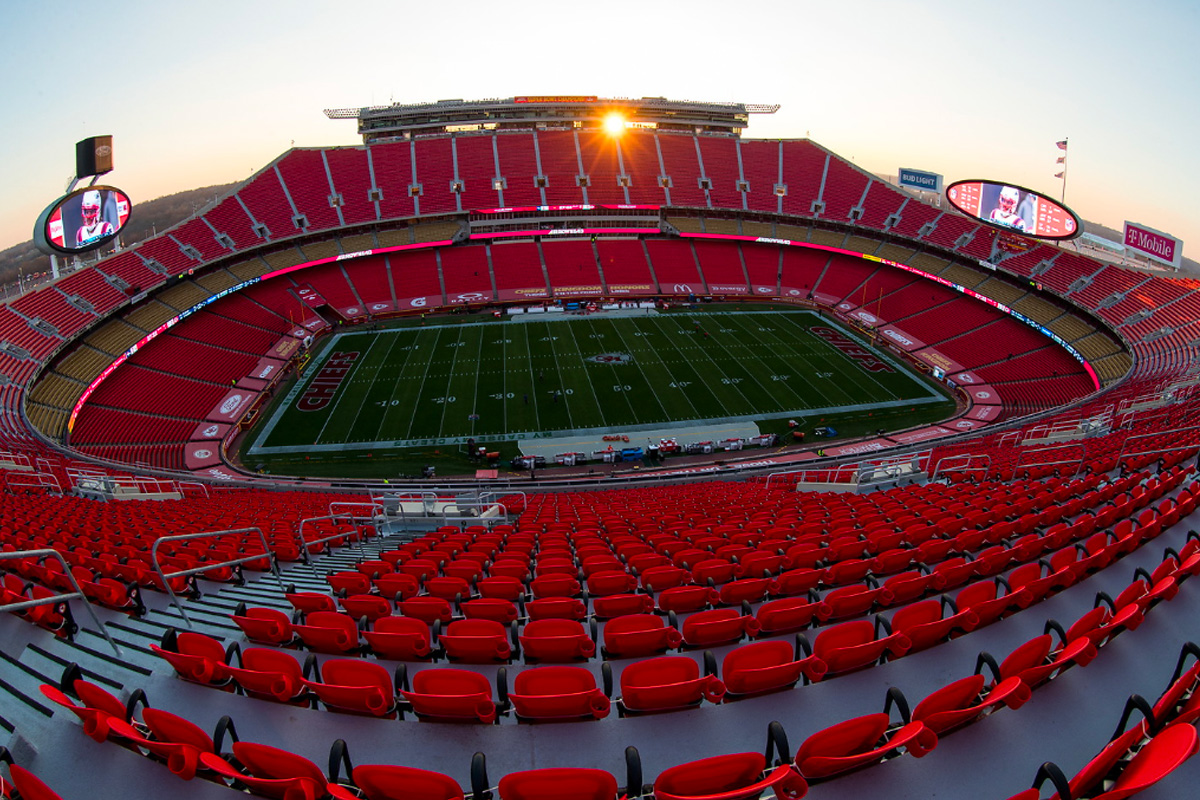
The primary reason travelers flock to this iconic midwestern venue is to witness the sheer spectacle of the game-day atmosphere, famously driven by one of the most passionate fanbases in professional sports. The structural design of the stadium traps sound waves, channeling decibels downward onto the gridiron to create an acoustic tempest that routinely shatters world records for stadium noise.
A Legacy of Noise
The roar of the crowd is an integral part of the visitor experience, transforming a standard athletic competition into a sensory overload. Decibel meters frequently spike to earth-shattering levels during crucial defensive stands, creating a tangible physical vibration throughout the concrete bowl. This legendary wall of sound has earned the stadium a fearsome reputation among opposing players, who must rely on silent snap counts and hand signals to communicate on the field.
Embracing Mid-America Hospitality
Despite the intense competitive environment on the field, the visitor experience is characterized by genuine midwestern warmth and sportsmanship. Travelers often express surprise at the welcoming nature of local supporters, who routinely invite visiting fans to share in tailgate meals and trade friendly banter before the opening whistle.
Planning a journey to this legendary sports cathedral requires careful attention to regional geography, ensuring that travelers look past the state-line confusion and head straight into the heart of Missouri. By combining an understanding of local history, navigating the metropolitan roadways with ease, indulging in world-class barbecue, and immersing oneself in the thunderous atmosphere of the crowd, visitors are guaranteed an unforgettable travel experience in the American heartland.
LifeOutOfTheBox is a participant in the Amazon Services LLC Associates Program, an affiliate advertising program designed to provide a means for sites to earn advertising fees by advertising and linking to Amazon.com. Amazon, the Amazon logo, AmazonSupply, and the AmazonSupply logo are trademarks of Amazon.com, Inc. or its affiliates. As an Amazon Associate we earn affiliate commissions from qualifying purchases.