
Discovering the Heart of Lawrence, Kansas
Nestled in the rolling hills of the Midwestern United States, the University of Kansas proudly calls Lawrence, Kansas its home. Often referred to simply as KU, this flagship institution is deeply intertwined with the fabric of its host city, defining much of its cultural, architectural, and historical identity. For travelers, prospective students, and history enthusiasts, understanding the geographic and cultural positioning of this renowned university offers a fascinating glimpse into a classic college town.
The Scenic Setting of Mount Oread
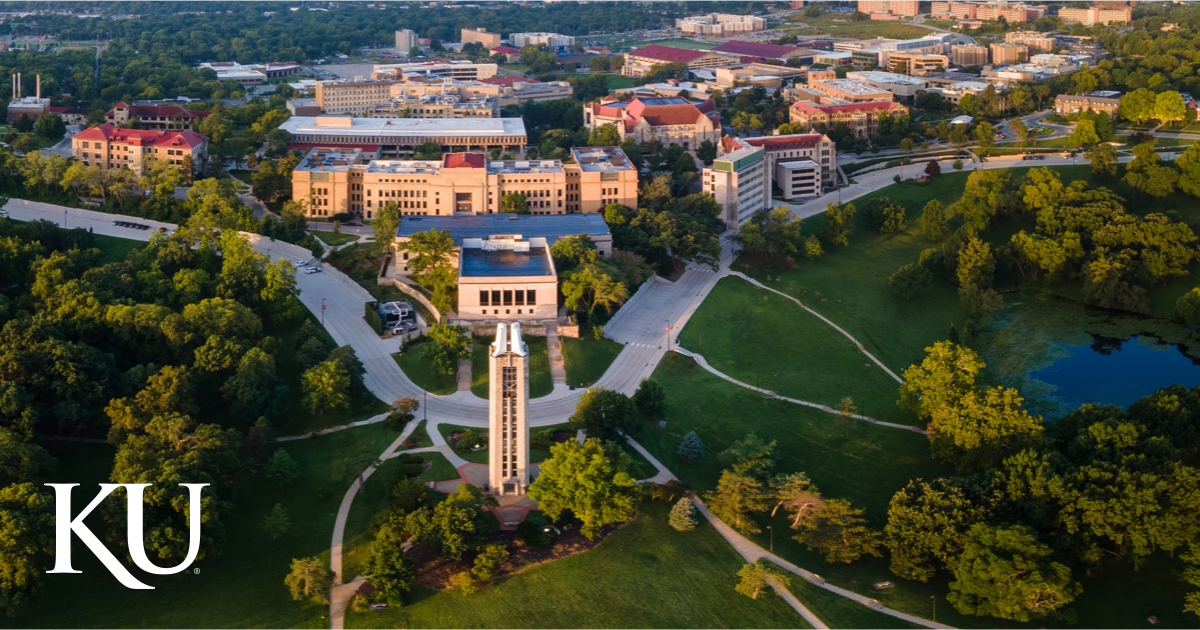
The primary campus of the University of Kansas is famously situated on a ridge known as Mount Oread. Rising high above the surrounding landscape, this elevated terrain provides stunning panoramic views of the Kansas River valley and the sprawling plains below.

- Architectural Splendor: The geography of Mount Oread heavily influences the campus layout. Historic limestone structures, designed by prominent architects, dot the ridge. Buildings like Fraser Hall and Strong Hall stand as monumental landmarks that command attention from miles away.
- Natural Beauty: Tree-lined pathways, expansive green quads, and meticulously maintained gardens make walking the campus a visual delight across all four seasons.
Positioning Within the Midwest
Geographically, Lawrence, Kansas is ideally situated in the northeastern portion of the state. This strategic location makes the University of Kansas exceptionally accessible for visitors traveling from major regional hubs.
- Proximity to Kansas City: Located just about 40 miles west of downtown Kansas City, the campus is a short drive from the Kansas City International Airport. This proximity allows travelers to easily transition from a major metropolitan experience to a quintessential college-town atmosphere.
- Regional Connections: Major roadways, including Interstate 70 and U.S. Route 59, intersect near Lawrence, cementing the city as a prominent waypoint for travelers journeying across the American heartland.
Exploring the Surrounding Landmarks and Culture
The location of the University of Kansas extends far beyond lecture halls and administrative offices. The campus and its surrounding neighborhoods serve as significant landmarks of regional heritage and architectural achievement.
Iconic Campus Destinations
Visitors exploring the grounds of the University of Kansas will encounter numerous sites of historical and cultural importance.
- The Campanile: Formally known as the Memorial Drive Campanile and World War II Carillon, this soaring bell tower stands proudly on the edge of the hill. It serves as both a solemn war memorial and a musical landmark, playing the university’s alma mater daily across the valley.
- Spencer Museum of Art: Housing a globally diverse collection of over 47,000 art objects, this museum is a cultural anchor on campus, drawing art lovers from all over the Midwest.
- Natural History Museum: Located in Dyche Hall, this facility showcases fascinating exhibits on biodiversity and paleontology, including the famous panorama of North American mammals.
The Symbiotic Relationship with Lawrence
The identity of the University of Kansas cannot be separated from the city of Lawrence. The boundary between campus and city is virtually seamless, creating an environment where academic life and local community thrive together.
- Mass Street: Just down the hill from Mount Oread lies Massachusetts Street, affectionately known by locals as Mass Street. This vibrant commercial and cultural strip is lined with historic 19th-century brick storefronts, independent bookshops, local coffee houses, and acclaimed eateries.
- A Hub of Creativity: The unique geographic and cultural climate of Lawrence has long fostered a thriving arts, music, and literary scene, attracting independent thinkers, musicians, and artists from across the nation.
Rich History Etched Into the Landscape
Understanding where the University of Kansas is located requires delving into the turbulent and compelling history of Kansas during the mid-19th century.
Antebellum Roots and Free-State Ideology
The establishment of the university was tied directly to the founding of Lawrence, which was established in 1854 by the New England Emigrant Aid Company as a stronghold for settlers determined to ensure Kansas entered the Union as a free state.
- Bleeding Kansas: Before the university even broke ground on Mount Oread, the surrounding region was a crucial battleground in the prelude to the American Civil War. The spirit of resilience and civic engagement embedded during this era deeply shaped the ethos of the institution.
- Chartering the University: Following years of legislative lobbying, the Kansas Legislature officially chartered the university in 1865, shortly after the end of the Civil War. Instruction officially began in 1866 with a single building—North College—before operations gradually shifted permanently up to the crest of Mount Oread.
Planning Your Visit to KU and Lawrence
For travelers looking to experience this historic collegiate landmark firsthand, navigating the geography of Lawrence is straightforward, rewarding, and rich with sensory experiences.
Navigating the Terrain
Because the University of Kansas is built upon a prominent ridge, visitors should prepare for varying elevations.
- Walking Tours: Exploring the historic core of the campus on foot is the best way to appreciate the stunning architecture, beautiful green spaces, and sweeping vistas. Comfortable footwear is strongly recommended due to the steep slopes of Mount Oread.
- Transportation Options: The university and city operate efficient transit systems, including campus buses that help students, faculty, and visitors traverse the hills with ease.

Seasonal Highlights for Travelers
The visitor experience at the University of Kansas varies dramatically depending on the time of year, making it a dynamic destination year-round.
- Autumn Colors: Fall brings crisp air and brilliant foliage transformations across the wooded slopes of Mount Oread, coinciding with the electric atmosphere of collegiate football games at David Booth Kansas Memorial Stadium.
- Spring Blooms: As winter recedes, the campus bursts into color with blooming redbuds and dogwoods, providing a picturesque backdrop for springtime travelers and prospective students touring the grounds.
- Basketball Heritage: No discussion of KU’s location is complete without mentioning Allen Fieldhouse. Known as the “Phog,” this legendary basketball arena is located right on campus and stands as a cathedral of college sports, drawing passionate sports fans from all over the globe to experience its unmatched game-day electricity.