
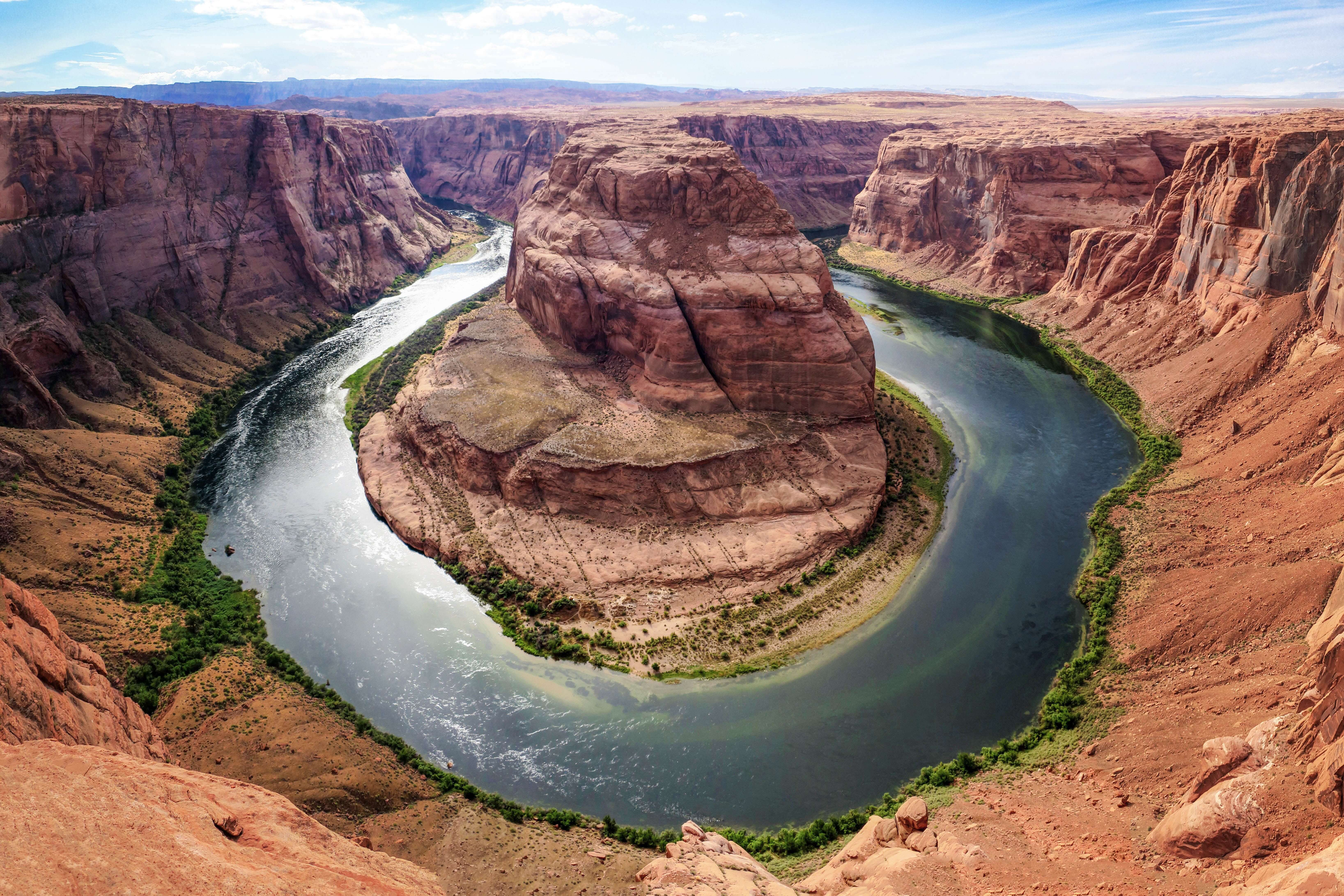
For many travelers, a trip to Las Vegas feels incomplete without witnessing the raw, tectonic majesty of the Grand Canyon. While the bright lights of the Las Vegas Strip and the silent, geological expanse of the canyon represent two vastly different worlds, they are linked by a journey that serves as a rite of passage for millions of tourists annually. Understanding the distance, the geography, and the best ways to navigate the terrain is essential for planning a successful excursion.
Understanding the Geography and Distance
The Grand Canyon National Park is massive, spanning hundreds of miles across Arizona. Because it is divided into distinct sections, the distance from Nevada varies significantly depending on which “rim” you choose to visit. Most travelers assume the South Rim is the only option, but the West Rim and the North Rim offer entirely different logistical requirements.

The West Rim: The Closest Escape
The West Rim is the most accessible point from the city, located approximately 125 miles away. This area is managed by the Hualapai Tribe and is home to the famous Grand Canyon Skywalk. Because of its proximity, a round trip to the West Rim can be accomplished in a single day, taking roughly 2.5 hours of driving each way. This destination is ideal for those who are short on time but still want to experience the sheer scale of the canyon walls and the Colorado River.
The South Rim: The Iconic Experience
The South Rim is the “classic” view most people envision when they think of the national park. Located about 280 miles from the city, reaching this destination requires a four-to-five-hour drive. While the journey is longer, the South Rim provides the most expansive vistas, extensive hiking trails, and historic landmarks like Grand Canyon Village. Most visitors opt for an overnight stay here to fully appreciate the sunrise or sunset, as the drive back to the city can be exhausting after a full day of exploration.
The North Rim: The Remote Frontier
The North Rim is the most remote section, situated about 270 miles from the city. However, because of the winding mountain roads and the elevation, the drive often takes over five hours. The North Rim is generally closed during the winter months due to heavy snowfall and remains far less crowded than its southern counterpart. It is the destination of choice for travelers seeking solitude, cooler temperatures, and a more rugged adventure.
Transportation Options for the Modern Traveler
Once you have identified the rim you wish to visit, the next step is choosing the right mode of transportation. Each option offers a different perspective on the landscapes of the American Southwest.

The Freedom of the Road Trip
Driving from the city to the canyon is a quintessential American experience. By renting a vehicle, you maintain complete control over your itinerary. The drive typically takes you through beautiful desert landscapes, including parts of the Mojave Desert. For those heading to the South Rim, the route often includes a segment of the historic Route 66, passing through charming towns like Kingman and Seligman, which serve as nostalgic pit stops that add character to the long drive.
Guided Bus Tours
For visitors who prefer not to navigate unfamiliar roads, guided bus tours are a popular alternative. These tours depart early in the morning and include commentary, snacks, and sometimes stops at the Hoover Dam. While this takes the stress out of the commute, it does limit your ability to linger at specific viewpoints. These are particularly effective for reaching the West Rim, where the infrastructure is tailored specifically to high-volume tour traffic.
The Aerial Alternative
If time is your most precious commodity, a helicopter or fixed-wing flight is the premium way to reach the destination. These aerial excursions often depart from Boulder City or private heliports near the major resorts. A helicopter tour can take you from the bustling streets of the city to the quiet depths of the canyon in less than an hour. Many flights even descend into the canyon, offering an angle that is physically impossible to achieve by car or foot.
Planning Your Logistics and Timing
Maximizing your experience requires more than just checking a map; it requires an understanding of the environment and the best timing for travel.
Best Time of Year to Visit
The United States desert climate is notoriously extreme. Summer months can see temperatures exceeding 100 degrees Fahrenheit, making mid-day hiking dangerous and uncomfortable. Spring and autumn are widely considered the ideal seasons, offering pleasant temperatures for exploring trails. If you choose to visit in the winter, be prepared for icy roads and potential closures, particularly on the North Rim.
Essential Gear for the Desert
Regardless of your destination, proper preparation is non-negotiable. If you are driving, ensure your vehicle is in top condition, specifically checking your cooling system and tire pressure. Always carry more water than you think you will need; the dry, arid air can lead to rapid dehydration even during short walks. Additionally, wear sturdy footwear, as the paths at the rim are often uneven, rocky, and potentially slippery near the edges.
Where to Stay
While many visitors make the return trip in one day, staying overnight adds a significant layer of depth to the experience.
- For the West Rim: The Hualapai Ranch provides an authentic, rustic stay near the edge of the canyon.
- For the South Rim: El Tovar Hotel is an iconic historic lodge situated directly on the rim, offering unparalleled views. For those on a budget, nearby Tusayan offers several reliable lodging options that provide easy access to the park entrance.
The journey from the neon horizon to the geological wonders of the desert is a transition from the man-made to the primordial. Whether you choose the quick efficiency of a helicopter flight to the West Rim or the scenic, nostalgic drive to the South Rim, the distance is quickly forgotten once you stand at the edge and peer into the depths of history etched into the earth. Proper planning, respect for the elements, and an adventurous spirit will ensure that your trip from the desert oasis to the world’s most famous gorge is as rewarding as the destination itself.
LifeOutOfTheBox is a participant in the Amazon Services LLC Associates Program, an affiliate advertising program designed to provide a means for sites to earn advertising fees by advertising and linking to Amazon.com. Amazon, the Amazon logo, AmazonSupply, and the AmazonSupply logo are trademarks of Amazon.com, Inc. or its affiliates. As an Amazon Associate we earn affiliate commissions from qualifying purchases.