
For the uninitiated traveler crossing the vast expanses of the American Midwest, Nebraska presents a curious geographical puzzle. While the state is famously known for its rolling prairies, expansive cornfields, and the winding Platte River, it also holds a distinct navigational quirk that often catches road-trippers off guard. Understanding where the time change occurs in the Cornhusker State is essential for anyone planning a journey through this historic region, particularly those moving between the bustling urban centers of Omaha and the more rugged, mountainous landscapes to the west.
The Great Divide: Central vs. Mountain Time
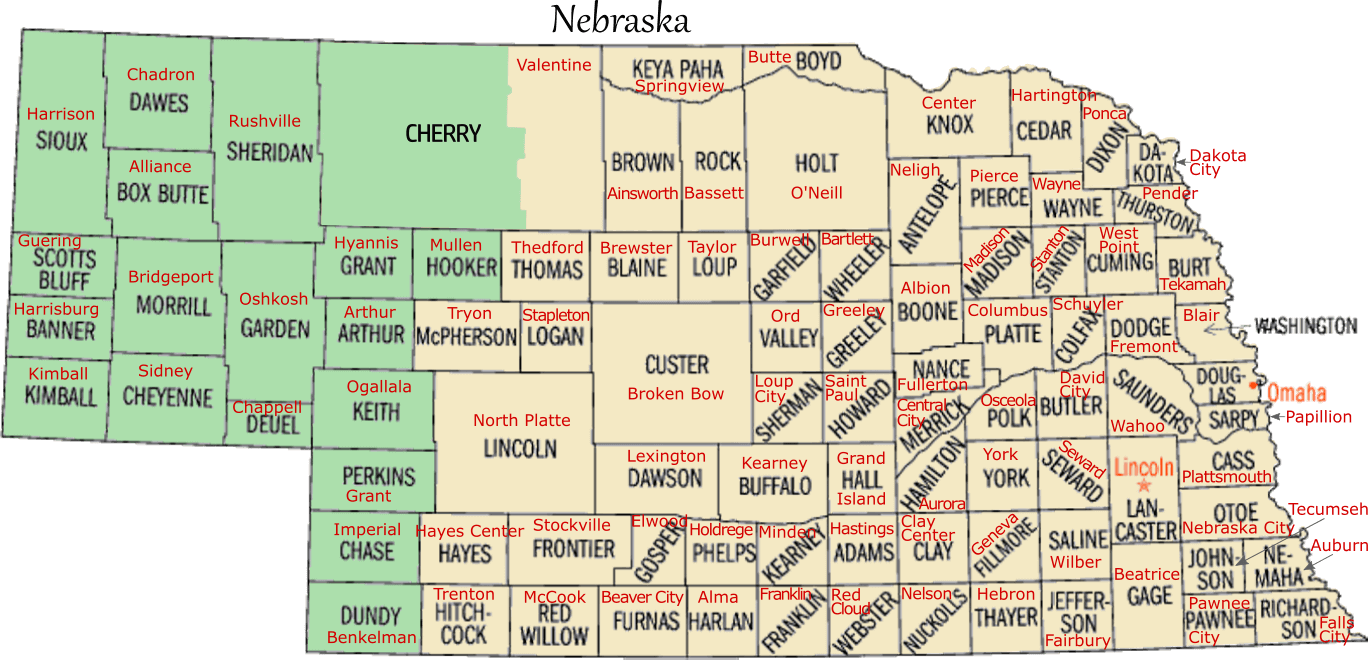
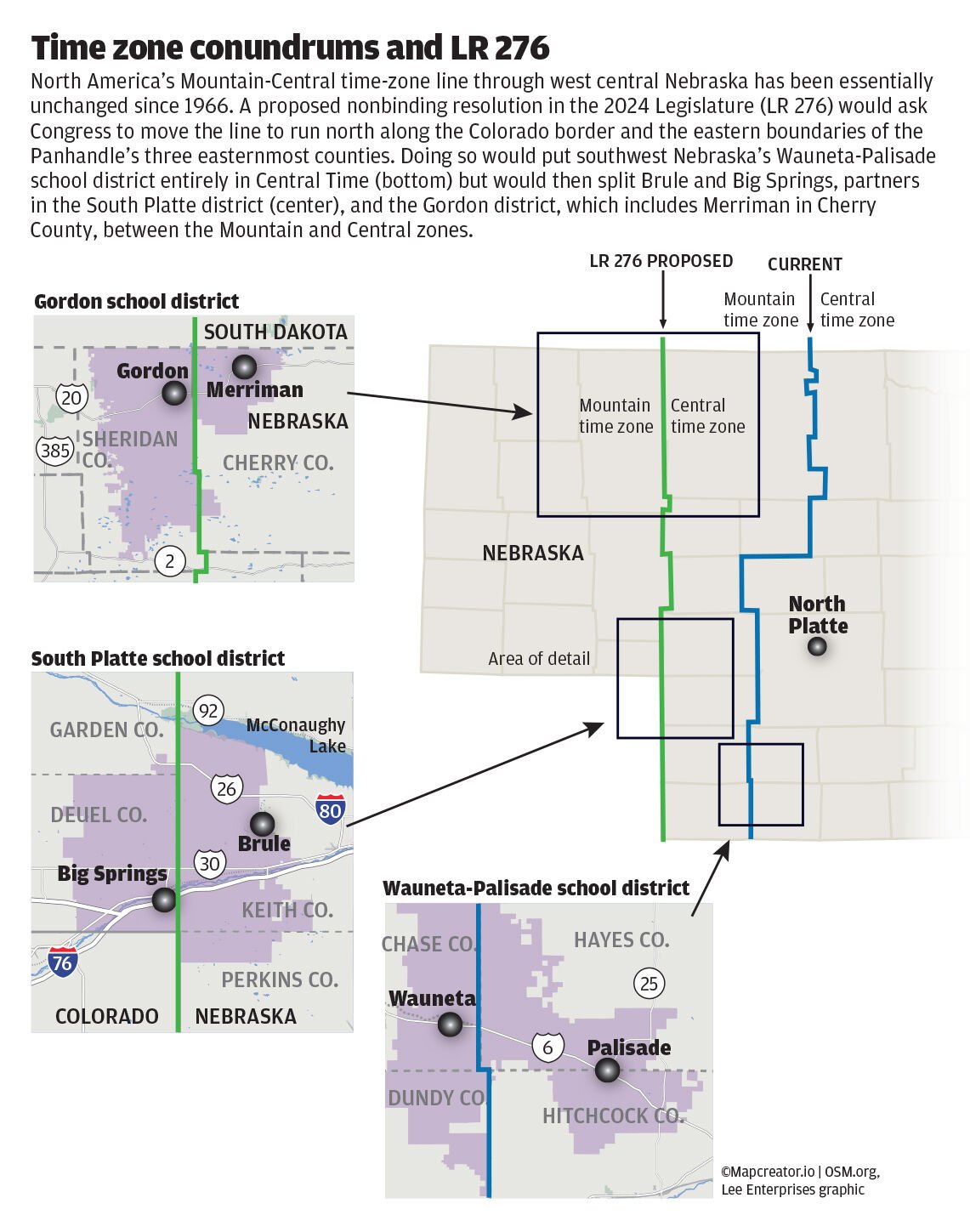
The primary time change in Nebraska occurs along a north-south meridian that effectively splits the state into two distinct zones: Central Time and Mountain Time. For the vast majority of the state—including major hubs like Lincoln and Grand Island—the clock remains set to Central Time. However, as travelers move westward toward the panhandle, the clock “falls back” one hour, signaling the transition into the Mountain Time zone.
Mapping the Meridian
The transition line is not a perfectly straight path but rather a calculated border determined by federal regulation and historical economic ties. The counties that observe Mountain Time are concentrated primarily in the western reaches of the state. Travelers heading west on Interstate 80 will typically find the shift occurring as they move past the Keith County line or near the city of North Platte.
Why the Shift Exists
This bifurcation is a reflection of how commerce and logistics historically influenced the state’s development. Communities closer to the Rocky Mountains were naturally aligned with the trading and rail networks of Denver and Wyoming, while the eastern half of the state remained tied to the Chicago and Missouri River corridors. This deep-seated regional identity continues to define how locals organize their daily schedules, from business meetings to regional school sports.
Navigating the Panhandle Experience
Once a visitor crosses the invisible threshold into the Mountain Time zone, the character of the landscape begins to shift noticeably. The transition isn’t just about the clock; it marks the entry into a territory characterized by high-plains terrain and iconic geological formations that have drawn explorers for centuries.
Exploring Scotts Bluff National Monument
A primary destination in the Mountain Time portion of the state is the Scotts Bluff National Monument. Standing as a sentinel over the North Platte River, this massive bluff served as a crucial landmark for pioneers traveling along the Oregon Trail. When planning a visit here, tourists must be mindful of the time difference, as arriving one hour earlier or later than anticipated can impact your access to visitor centers and guided trail tours.
The Charm of Chimney Rock
Further along the route, Chimney Rock stands as one of the most recognizable silhouettes in the American West. Located near the town of Bayard, this geological spire is firmly situated within the Mountain Time zone. Travelers often find that the golden hour—that magical time when the sun hits the rock formation—feels different here, perhaps due to the subtle shift in time-keeping perception that forces a slowing down of pace.
Travel Tips for Time-Zone Transitions
Transitioning between time zones can be more than just a change in digital settings; it requires a level of planning for those who wish to maximize their time in Nebraska. Whether you are a business professional moving between Kearney and Scottsbluff or a family on a road trip, these strategies will ensure you stay on schedule.
Synchronizing Your Itinerary
- Check Your GPS: Modern navigation apps are generally excellent at detecting time zone shifts, but they aren’t infallible. Double-check your arrival times against local listings for attractions like the Strategic Air Command and Aerospace Museum if you are traveling near the boundary.
- Hotel Logistics: If you are booking a stay, verify the local time of the establishment. Major hotel chains in Western Nebraska will reflect the local Mountain Time, but smaller, independent lodges might sometimes follow the time zone of the reservation system’s headquarters.
- Business Scheduling: For those traveling for work, explicitly state the time zone when scheduling meetings. A “3:00 PM meeting” can be a point of significant confusion if one party is in Omaha and the other is in Chadron.
The “Slow Travel” Advantage
Many seasoned travelers suggest that the time zone shift serves as a perfect metaphor for the change in the tourism experience. As you move into the Mountain Time zone, the pace of life tends to feel slightly more deliberate. The open plains, the proximity to Colorado, and the vast, unpolluted night skies encourage visitors to put down their phones and engage with the environment. Embracing the shift rather than fighting it is part of the charm of the Great Plains.
Beyond the Clock: Embracing the Nebraska Spirit
Ultimately, the confusion surrounding the time change in Nebraska is a minor hurdle compared to the vast rewards of exploring the state. Whether you find yourself waking up earlier in the Central Time zone to catch the sunrise over the Sandhills or enjoying an extra hour of daylight while hiking through Wildcat Hills in the Mountain Time zone, the experience is uniquely rewarding.
The Geographic Beauty
From the urban sophistication of Omaha to the rugged, high-altitude beauty of the panhandle, the state offers a bridge between the Eastern sensibilities and the Wild West spirit. The time zone border is merely a line on a map; the true value lies in the local culture, the warmth of the people in Valentine, and the quiet majesty of the landscape.
Planning Your Next Journey
As you traverse this great state, remember that the “time change” is just one small detail in a much larger narrative. By understanding the division, you gain the freedom to roam without the stress of being “off the clock.” Whether your journey takes you toward the Missouri River or deep into the heart of the High Plains, keep this guide handy to ensure your adventure flows as smoothly as the rivers that cut through the Nebraska terrain.
LifeOutOfTheBox is a participant in the Amazon Services LLC Associates Program, an affiliate advertising program designed to provide a means for sites to earn advertising fees by advertising and linking to Amazon.com. Amazon, the Amazon logo, AmazonSupply, and the AmazonSupply logo are trademarks of Amazon.com, Inc. or its affiliates. As an Amazon Associate we earn affiliate commissions from qualifying purchases.