
For those wandering the sun-drenched landscapes of the American Southwest, the journey between the neon-soaked energy of Las Vegas and the tranquil, crystalline waters of Lake Havasu City is a quintessential desert road trip. Whether you are escaping the high-stakes gaming floors for a weekend of watersports or transitioning from a nature-focused retreat back to the urban jungle, understanding the logistics of this route is essential for a seamless travel experience.
Navigating the Distance and Drive Time
The distance between these two iconic Arizona and Nevada destinations is approximately 150 miles, depending on your starting point within the Las Vegas Valley and your specific destination within the lake community. Under optimal traffic conditions, motorists can expect a driving time of roughly 2.5 to 3 hours.
The Primary Route: Highway 95
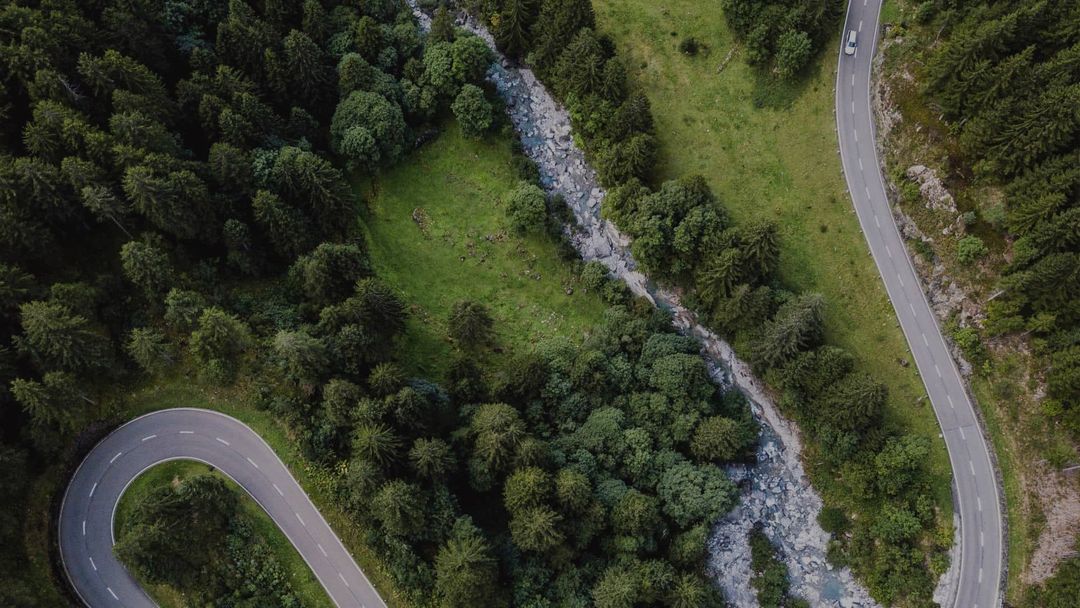
The most direct path involves taking U.S. Route 95 south from Nevada. This highway serves as the arterial connection that cuts through the Mojave Desert. Travelers will transition through the rolling hills and sparse vegetation of the desert basin, passing through small communities like Searchlight and Needles as they approach the Colorado River basin.
Factors Affecting Your Journey
While the mileage remains constant, travel time can fluctuate based on several variables:
- Peak Holiday Traffic: During long weekends and spring break, the stretch near Lake Havasu can become congested as visitors flock to the water.
- Desert Weather: High temperatures in the summer months can put significant strain on vehicle cooling systems. It is vital to ensure your vehicle is road-ready before departing the climate-controlled garages of the Las Vegas Strip.
- Road Construction: Occasional maintenance on the highway systems in Mohave County can lead to temporary delays, particularly in the warmer months when road crews are most active.
Scenic Highlights Along the Way
Treating this drive as more than just a commute can significantly enhance your travel experience. The landscape changes from the high-desert plateau of southern Nevada into the rugged, volcanic-influenced terrain near the Arizona border.
The Beauty of the Mojave National Preserve
As you traverse the border regions, you are never far from the expansive beauty of the Mojave National Preserve. While a detour may add time to your trip, the opportunity to witness the Joshua tree forests and the Kelso Dunes is a compelling reason to build extra time into your itinerary.
Crossing the Colorado River
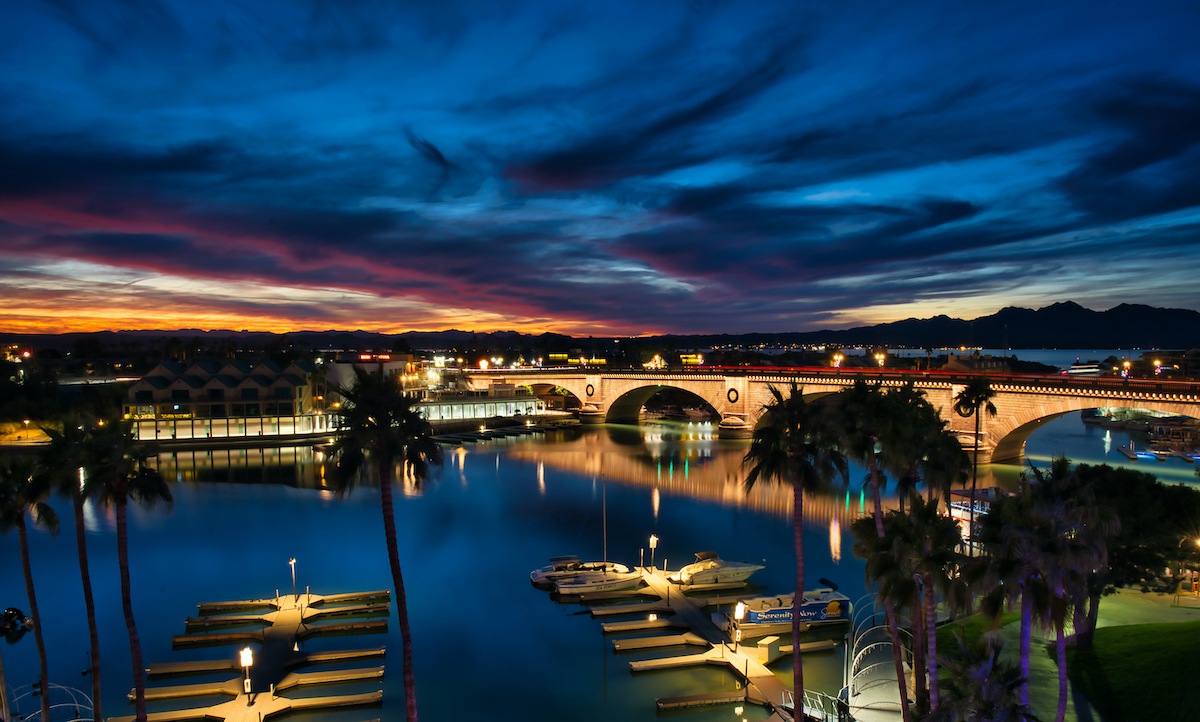
The final leg of the journey takes you across the Colorado River, which serves as a natural boundary between the two states. The approach to Lake Havasu City offers dramatic vistas of the mountains reflecting off the water, a stark and welcoming contrast to the arid scrubland traveled just minutes prior. Keep an eye out for the London Bridge, which spans the Bridgewater Channel and serves as the town’s most famous architectural landmark.
Transportation Alternatives and Logistics
If you prefer not to drive your personal vehicle, there are several ways to bridge the gap between these two destinations.
Private Shuttles and Car Rentals
For those arriving at Harry Reid International Airport, renting a car is the most recommended method. Having your own transport is almost essential once you reach Lake Havasu City, as the attractions—ranging from Lake Havasu State Park to the various boat launch ramps—are spread out along the waterfront and surrounding desert trails.
Group Tours and Shared Rides
While there is no direct public transit link such as a commuter train or extensive bus service connecting the two directly, private shuttle services often cater to travelers moving between the Las Vegas resort corridor and the Colorado River recreation areas. Booking these in advance ensures a stress-free transition, allowing you to enjoy the desert scenery without the burden of navigating the highway.
Planning Your Departure
When transitioning from the high-energy atmosphere of Las Vegas to the relaxed, outdoor-oriented culture of Lake Havasu City, timing is everything.
Early Morning Departures
Leaving the Las Vegas Valley early in the morning—ideally before 8:00 AM—allows you to beat the worst of the desert heat and the midday traffic near the metropolitan outskirts. You will arrive in time for a late lunch by the Colorado River, giving you the full afternoon to explore the local marinas or hike the trails at SARA Park.
Sunset Arrivals
Conversely, departing Las Vegas in the late afternoon can be a rewarding experience. The drive south allows you to witness the dramatic sunset over the Black Mountains. By the time you roll into Lake Havasu City, the temperature will have cooled, making it the perfect time for an evening stroll across the London Bridge or dinner at one of the waterfront restaurants along the Bridgewater Channel.

Final Tips for the Desert Traveler
Regardless of how you choose to travel, the journey between Las Vegas and Lake Havasu City is a testament to the vastness of the American Southwest.
- Connectivity: Be aware that cell phone reception can be spotty in the more remote stretches of the desert. Download offline maps of Arizona and Nevada before you leave.
- Hydration: Always carry more water than you think you need. The dry desert air can lead to rapid dehydration, even inside an air-conditioned vehicle.
- Fuel Management: While there are gas stations along U.S. Route 95, it is prudent to fill up your tank before leaving the Las Vegas metro area to avoid being caught in a remote area with low fuel.
By respecting the distance and preparing for the unique conditions of the Mojave Desert, you turn a simple drive into a foundational part of your vacation. Whether you are seeking the thrill of the Las Vegas Strip or the serene, aquatic beauty of Lake Havasu, understanding these 150 miles ensures that your transition between the two is as smooth and enjoyable as the destinations themselves.
LifeOutOfTheBox is a participant in the Amazon Services LLC Associates Program, an affiliate advertising program designed to provide a means for sites to earn advertising fees by advertising and linking to Amazon.com. Amazon, the Amazon logo, AmazonSupply, and the AmazonSupply logo are trademarks of Amazon.com, Inc. or its affiliates. As an Amazon Associate we earn affiliate commissions from qualifying purchases.