
The journey from the neon-soaked streets of Las Vegas to the stark, haunting beauty of Death Valley National Park represents one of the most dramatic transitions in the American West. Within a few hours, travelers move from the man-made marvels of the Mojave Desert to a landscape of geological extremes, where salt flats, shifting dunes, and ancient craters tell a story millions of years in the making. Understanding the logistics of this trip is essential for anyone looking to bridge the gap between urban luxury and untamed wilderness.
Calculating the Distance and Travel Time
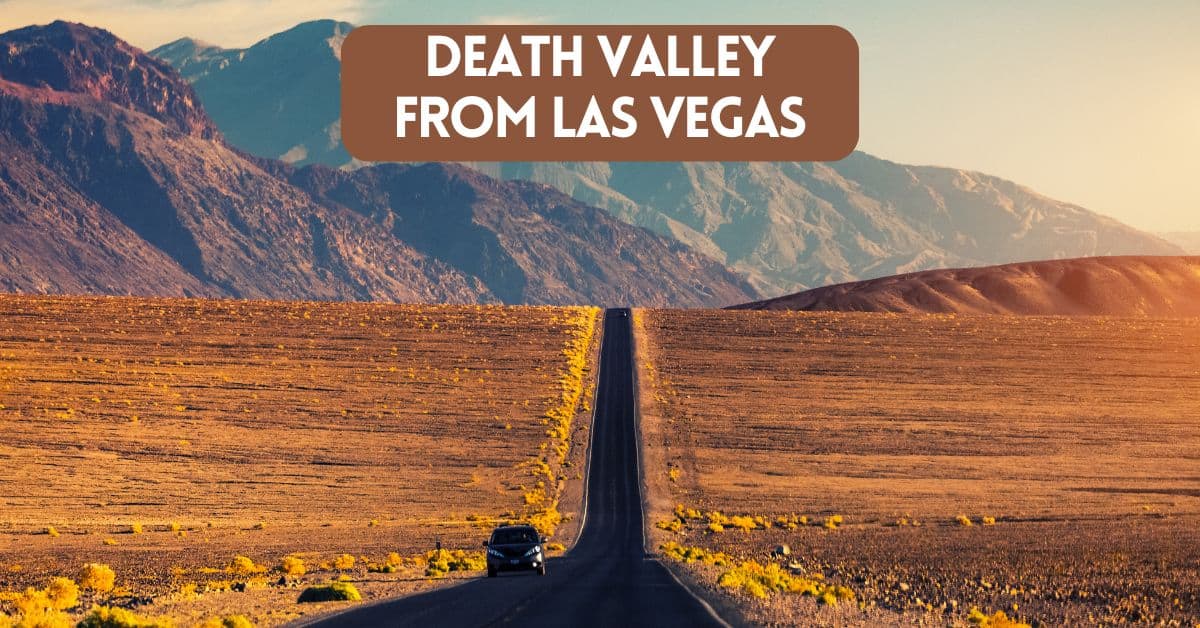
Navigating the route from Nevada into California requires careful planning, as the “distance” can vary significantly based on your entry point into the park. On average, the drive covers approximately 120 to 140 miles, typically taking between two to two-and-a-half hours of pure driving time.
The Primary Routes
Most visitors depart from the Las Vegas Strip and head southwest. There are two main ways to reach the park:
- Via Nevada State Route 160 and Bell Vista Road: This is generally considered the most scenic and direct route. You will pass through Pahrump, a quiet town that serves as a common waypoint for travelers stocking up on fuel and water before hitting the park’s rugged borders.
- Via Interstate 15 and State Route 127: This route takes you south through Jean and Baker, allowing a stop at the famous World’s Tallest Thermometer. While slightly longer, it is often preferred by those who enjoy the open expanse of the high desert and want to approach the park from the southern entrance near Shoshone.
Factors Affecting Your Arrival
While the mileage seems manageable, the desert environment imposes its own schedule. Road conditions in the Basin and Range Province can be affected by flash flooding during rare summer monsoons or extreme heat. Always check the official National Park Service status updates before departing, as road closures within the park can add significant time to your journey.
Essential Destinations Within the Park
Once you cross the threshold of Death Valley, the scale of the landscape becomes apparent. It is the largest national park in the contiguous United States, and driving between its highlights can add dozens of miles to your trip.
The Low-Elevation Wonders
Entering from the east, you will descend into the heart of the valley. One of the first stops for most travelers is Badwater Basin. As the lowest point in North America, sitting at 282 feet below sea level, it offers a surreal, blindingly white expanse of salt flats that contrast sharply with the towering Black Mountains.
Panoramic Vistas and Geological Formations
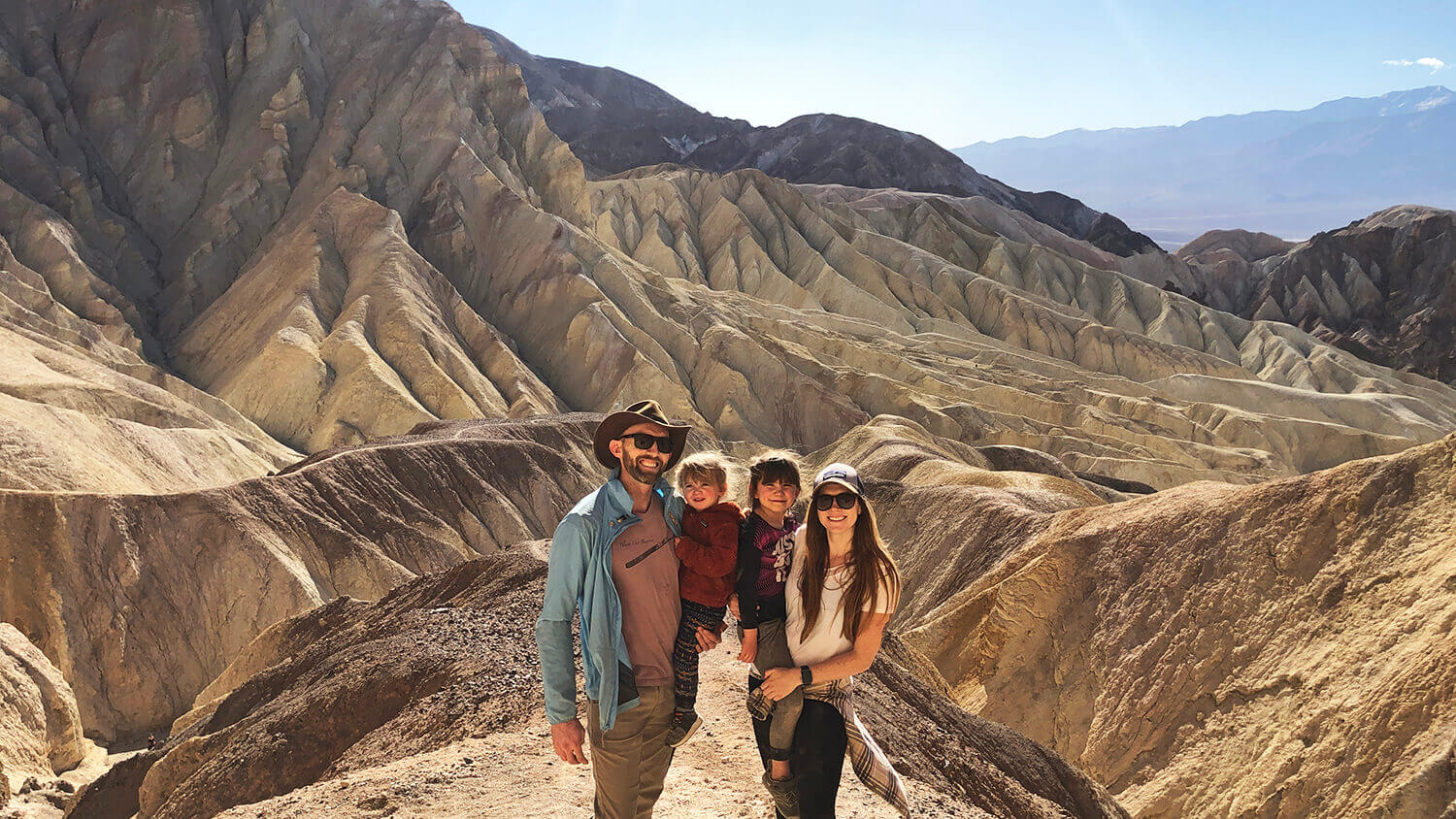
A short drive away, Zabriskie Point provides perhaps the most famous view in the park. The eroded, golden-hued badlands here are a photographer’s dream, particularly during the “golden hour” at sunrise or sunset. For those interested in the sheer verticality of the terrain, Dante’s View offers a panoramic perspective from the Amargosa Range, looking down over the valley floor from an elevation of more than 5,000 feet.
Unique Ecosystems
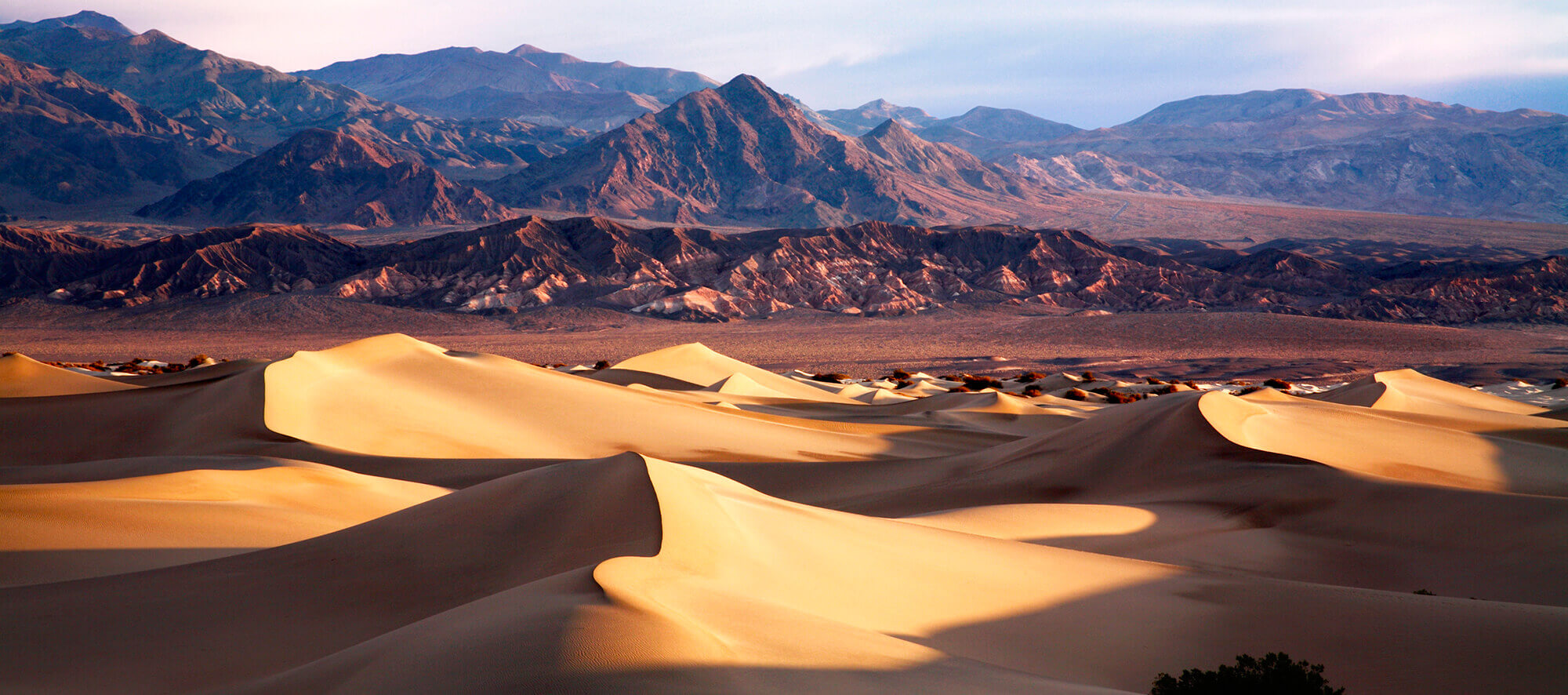
The park is not merely a graveyard of rock and salt. Mesquite Flat Sand Dunes represent the classic desert aesthetic, where wind-sculpted peaks rise against the backdrop of the Cottonwood Mountains. Despite the harsh conditions, life persists here, and those visiting in spring may even witness a brief, vivid wildflower bloom.
Practical Tips for the Desert Journey
Transitioning from the air-conditioned comfort of a hotel room in Las Vegas to the extreme climate of the desert requires a change in mindset. Safety and preparation are paramount.
Fuel and Supplies
The distance between gas stations can be substantial. Ensure your tank is full before leaving Pahrump or Baker. Inside the park, fuel is limited to locations like Stovepipe Wells Village and Furnace Creek, and prices are significantly higher due to the remoteness of the region. Carry extra water—at least one gallon per person per day—and ensure your vehicle is in good working order before leaving the city.
Managing the Extreme Climate
The temperature difference between the city and the valley is often stark. In the summer months, temperatures frequently exceed 120 degrees Fahrenheit. It is highly advised to limit hiking to the early morning hours and stick to paved, well-traveled roads. If you plan to visit during the cooler months, from November to March, the climate is much more hospitable, though you should still pack layers, as the high desert can experience freezing temperatures at night, especially at higher elevations.
Connectivity and Navigation
Do not rely on your smartphone for GPS navigation or real-time road updates. Cell service is virtually non-existent throughout large swaths of the park. Download offline maps, bring a physical atlas of California, and inform someone of your planned itinerary. Whether you are traveling as part of a United States road trip or a dedicated excursion, having a paper map is a non-negotiable safety feature.
Choosing Your Base: From City Lights to Starry Nights
The decision of whether to stay in Las Vegas and make a day trip or book an overnight stay inside Death Valley National Park depends on your travel style.
A day trip offers the convenience of staying at a luxury resort like the Bellagio or the Caesars Palace, returning to fine dining and nightlife after a long day in the sun. However, this approach limits the time you have to explore the park’s more remote corners and prevents you from experiencing the incredible night skies. Death Valley is a certified “Dark Sky Park,” and the lack of light pollution reveals the Milky Way in a way that is simply impossible to see from the city.
For those choosing to stay within the park, The Oasis at Death Valley provides a unique historic retreat, complete with spring-fed pools and manicured date palm groves that feel like a true oasis amidst the desert. Others may prefer the rustic charm of Stovepipe Wells Village for a more authentic, back-to-basics experience.
Ultimately, the drive from the urban sprawl of Nevada to the geological majesty of the desert is more than just a commute; it is a pilgrimage to one of the most extreme and beautiful environments on Earth. Whether you are seeking a quick taste of the desert or a deeper immersion into its silence and scale, the journey from Las Vegas provides an unforgettable passage through the heart of the American West.
LifeOutOfTheBox is a participant in the Amazon Services LLC Associates Program, an affiliate advertising program designed to provide a means for sites to earn advertising fees by advertising and linking to Amazon.com. Amazon, the Amazon logo, AmazonSupply, and the AmazonSupply logo are trademarks of Amazon.com, Inc. or its affiliates. As an Amazon Associate we earn affiliate commissions from qualifying purchases.