
The journey from Los Angeles to Las Vegas is one of the most iconic road trips in the United States. Spanning approximately 270 miles across the sun-drenched landscape of Southern California and the stark, beautiful Nevada desert, this drive is a rite of passage for many travelers. While the distance is relatively short by American standards, the time it takes to complete the journey can vary wildly depending on your departure time, the day of the week, and your willingness to stop at the unique roadside attractions along Interstate 15.
Understanding Typical Drive Times and Traffic Patterns
Under ideal conditions, the drive takes roughly four to five hours. However, the “ideal” condition is a rare commodity on this specific corridor. The flow of traffic between these two major metropolitan areas is highly predictable yet often problematic for the unprepared traveler.
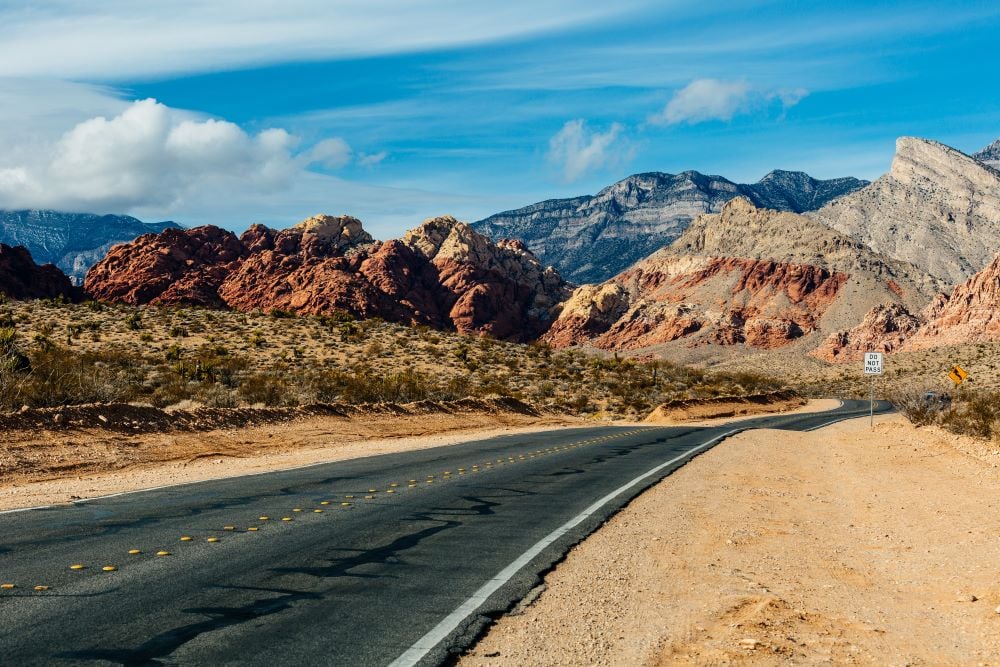
The Impact of Departure Times
If you leave during mid-week in the middle of the night, you might find yourself pulling into the Las Vegas Strip in just under four hours. Conversely, leaving Los Angeles on a Friday afternoon—the notorious “Vegas exodus”—can turn a four-hour drive into a seven or eight-hour ordeal. Traffic bottlenecks often begin as early as Ontario, California, and persist well past Barstow.
Weekend Warriors and Holiday Traffic
Weekends are the most popular times for this trek. Travelers heading toward Sin City generally experience the heaviest congestion on Friday afternoons and Saturday mornings. If you are planning a return trip on a Sunday, expect significant delays starting near Primm and lasting all the way back into San Bernardino County. To mitigate these stressors, many seasoned road-trippers prefer to travel on Tuesday or Wednesday mornings, when the desert highways are relatively clear of commuter traffic and tourist congestion.
Key Stops and Attractions Along the Way
The journey is more than just a means to an end; it is an opportunity to explore the Mojave Desert. Breaking up the drive with strategic stops can make the time pass more pleasantly and allow you to stretch your legs in some of the most unique locations in the West.
Iconic Roadside Landmarks
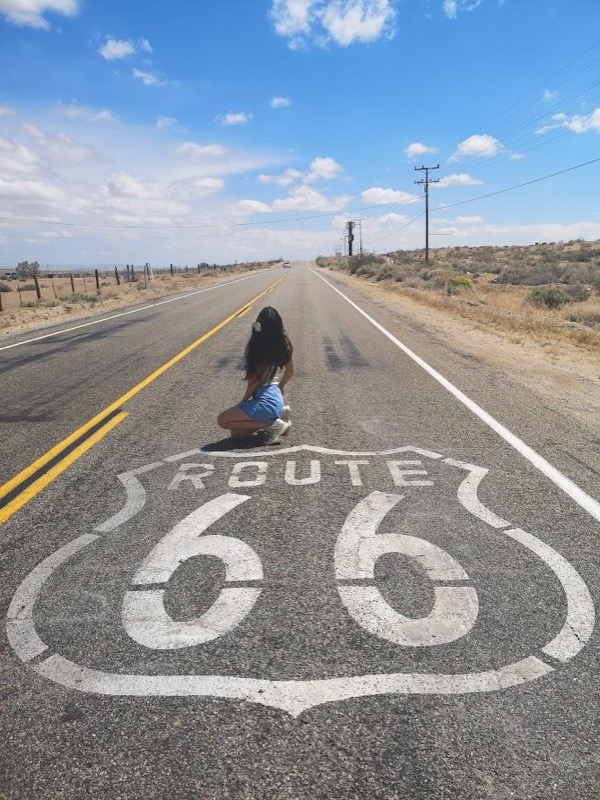
A classic stop for many travelers is Seven Magic Mountains, a public art installation consisting of seven towers of colorful, stacked boulders standing more than thirty feet high. It serves as a perfect photo opportunity just before reaching your final destination. Further south, the World’s Tallest Thermometer in Baker provides a quirky look at the extreme temperatures often experienced in this region. If you are looking for a bit of kitsch, the Alien Fresh Jerky store in Baker is a cult favorite among regulars on the route.
Natural Beauty and Outdoor Exploration
For those who prefer nature over roadside oddities, Mojave National Preserve offers vast landscapes, sand dunes, and Joshua tree forests that provide a stark contrast to the neon lights waiting in Nevada. A short detour through the preserve can add significant time to your trip, but it transforms the drive from a simple commute into a memorable California adventure.
Tips for a Smoother Road Trip Experience
Navigating the transition from the sprawling urban landscape of Los Angeles to the desert heart of the American West requires preparation. Managing your vehicle, your hydration, and your route planning is essential for a safe and enjoyable journey.
Vehicle Maintenance and Fuel Management
The extreme temperatures of the Mojave Desert can be brutal on vehicles. Before embarking on the trip, ensure your tire pressure is correct and your cooling system is in top shape. It is wise to fuel up before leaving the urban centers of California, though Barstow and Baker offer plenty of service stations. Do not wait until your tank is nearing empty; the stretches of desert between towns can be deceptive, and getting stranded in the heat is a situation every traveler should avoid.
Safety and Hydration
Even in cooler months, the desert environment is arid. Keep plenty of water in your vehicle at all times. If you are driving during the summer, ensure your air conditioning is functioning perfectly before leaving. It is also prudent to download offline maps, as cell service can be spotty in certain valleys along the Interstate 15 corridor.
Navigating the Arrival in Las Vegas
As you cross the state line into Nevada, the landscape changes, and the anticipation of arriving in Las Vegas builds. The final leg from Primm to the heart of the city takes roughly 45 to 60 minutes.
Managing Expectations Upon Arrival
Depending on which part of the city you are staying in, your travel time can increase significantly. Traffic on the Las Vegas Strip or the Interstate 15 exit ramps can be heavy during peak hours. If your accommodation is at a major property such as the Bellagio, the Caesars Palace, or the Venetian Resort, account for extra time navigating the surface streets and parking structures.
Considering Alternatives to Driving
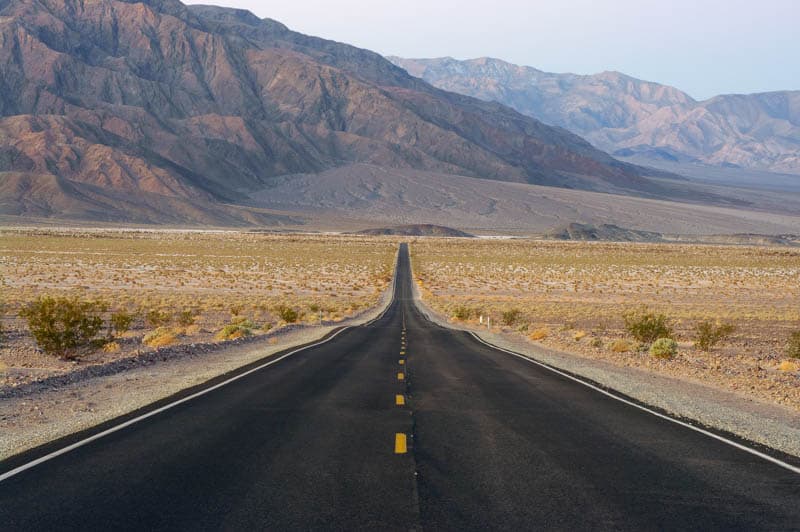
While the car is the most common mode of transport, some travelers opt for shuttle services or regional flights to avoid the potential headaches of heavy traffic. However, having a vehicle once you arrive in Las Vegas offers the freedom to visit nearby natural wonders like Red Rock Canyon or Valley of Fire State Park, which are often highlights of a broader Southwest itinerary.
Ultimately, the drive from Los Angeles to Las Vegas is what you make of it. By choosing your departure time wisely, acknowledging the realities of desert driving, and allowing for a few scenic stops, you can ensure that the journey is a comfortable prelude to the excitement that awaits in the desert oasis. Whether you are seeking the luxury of a Wynn Las Vegas suite or the thrill of the downtown scene, the road ahead is a classic piece of the American travel experience.
LifeOutOfTheBox is a participant in the Amazon Services LLC Associates Program, an affiliate advertising program designed to provide a means for sites to earn advertising fees by advertising and linking to Amazon.com. Amazon, the Amazon logo, AmazonSupply, and the AmazonSupply logo are trademarks of Amazon.com, Inc. or its affiliates. As an Amazon Associate we earn affiliate commissions from qualifying purchases.