
When planning a quick getaway or a business trip between the desert metropolises of Las Vegas and Phoenix, travelers often prioritize efficiency. The journey between these two major hubs in the United States is remarkably short, making it one of the most accessible air routes in the Southwest. Understanding the nuances of flight duration, airport logistics, and carrier options can help you optimize your travel experience.
Understanding Flight Duration and Airtime
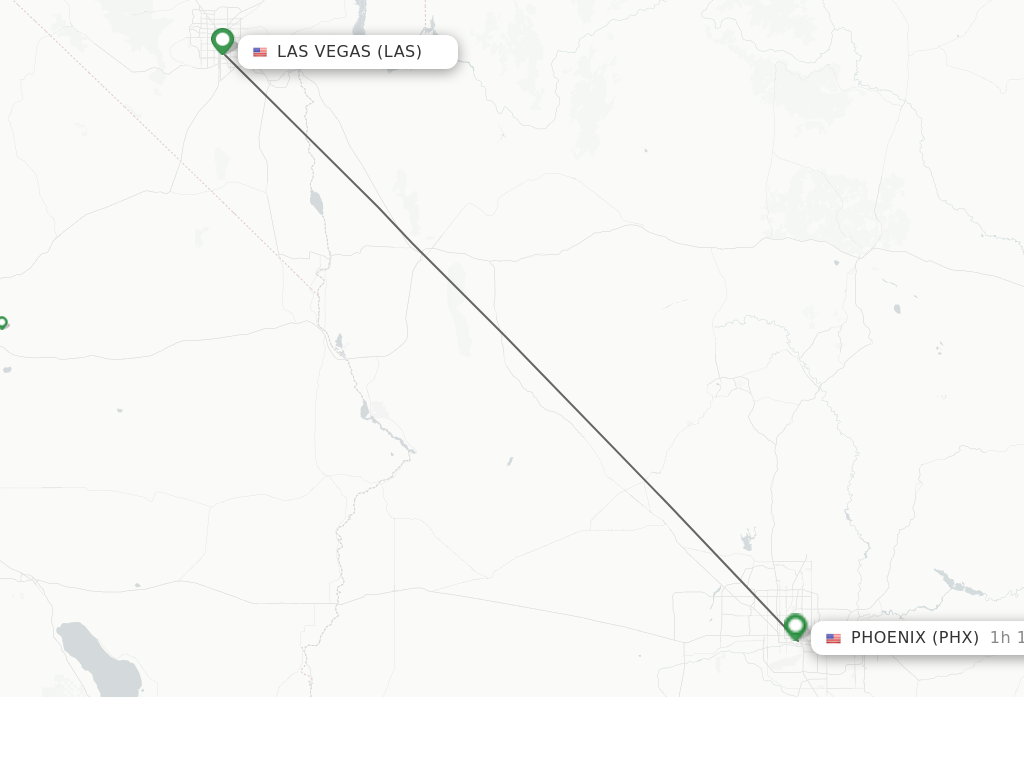
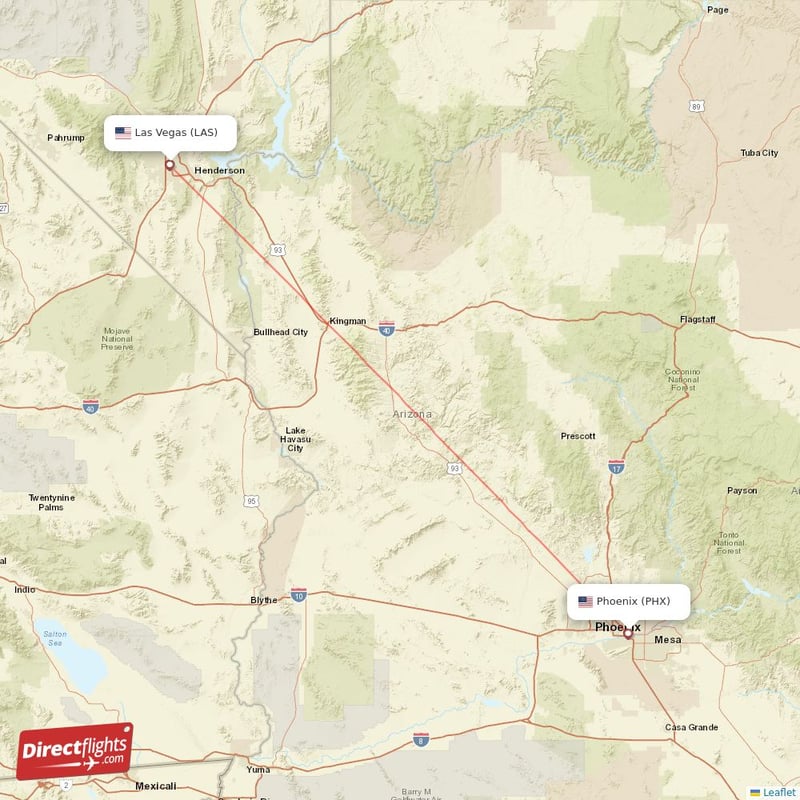
The physical distance between Harry Reid International Airport and Phoenix Sky Harbor International Airport is approximately 255 miles (410 kilometers). Because the flight path is relatively direct, most commercial aircraft cover this distance in a very short amount of time.
Average Time in the Air
In ideal weather conditions, the actual time spent in the air typically ranges from 45 minutes to 1 hour and 5 minutes. This makes the trip a “hop” rather than a true long-haul flight. Most pilots reach cruising altitude shortly after takeoff from Nevada, and before the cabin service can even fully commence, the descent into Arizona typically begins.
Factors Affecting Flight Time
While the flight is brief, several variables can influence the total duration:
- Wind Patterns: Prevailing winds can either provide a slight boost or create minor drag, which may shave off or add a few minutes to the flight.
- Air Traffic Control: Both Las Vegas and Phoenix are among the busiest air travel hubs in the country. Occasionally, aircraft may be placed in a holding pattern or experience a taxi delay, which increases the total gate-to-gate time.
- Flight Pathing: Depending on existing weather systems or heavy traffic corridors, the path taken by the pilot might be slightly adjusted, leading to minor fluctuations in duration.
Navigating Major Hubs and Airlines
Traveling between these two cities is serviced by several major carriers, providing high frequency and competitive pricing. Whether you are a business traveler or a leisure visitor, the convenience of the route remains a primary benefit.
Primary Carriers on the Route
Several major airlines dominate the Las Vegas to Phoenix corridor:
- Southwest Airlines: As both cities are key focus cities for Southwest Airlines, they offer the highest frequency of flights. Their point-to-point model makes this specific route seamless and reliable.
- American Airlines: Utilizing Phoenix Sky Harbor International Airport as a major hub, American Airlines provides consistent connectivity for travelers connecting through the network.
- Spirit Airlines: Known for low-cost options, Spirit Airlines often provides a budget-friendly alternative for those looking to travel light between the two cities.
- Frontier Airlines: Similar to other budget carriers, Frontier Airlines provides occasional direct service that serves as an economical choice for casual travelers.
Terminal Logistics and Airport Experiences
Navigating the airports is as important as the flight itself. Harry Reid International Airport features a modern, easy-to-navigate layout with extensive amenities, including gaming kiosks that serve as a reminder of the Las Vegas Strip.
Phoenix Sky Harbor International Airport is world-renowned for its efficiency. The terminals are well-connected by the PHX Sky Train, ensuring that once you land, you can easily access rental car centers or public transit to reach the Valley of the Sun.
Planning Your Travel Strategy
Because the flight time is so short, travelers should consider the total time investment, including ground transportation and security, to determine if flying is truly the most efficient option for their specific trip.
The “Gate-to-Gate” Reality
While the airborne time is about an hour, the overall travel process involves more time. Travelers should account for:
- Arrival at Airport: Standard practice suggests arriving at least 90 minutes before your scheduled departure.
- Security Processing: Both airports utilize TSA PreCheck lanes, which can significantly expedite the process if you are enrolled in the program.
- Boarding and Deplaning: This can add roughly 30 to 45 minutes to the total experience.
When adding these factors, the total time from “curbside to arrival” is generally between 3 to 4 hours.
Comparing Flights vs. Driving
For many, the question is not just about the flight time, but whether to fly or drive. The drive from Las Vegas to Phoenix covers approximately 300 miles via U.S. Route 93 and Interstate 17. This drive typically takes between 4.5 and 5.5 hours, depending on traffic and your departure point.
- When to Fly: If you are traveling solo or during the work week, flying is significantly faster and allows you to reclaim your time to work or rest.
- When to Drive: If you are traveling as a group or family, or if you need to transport significant luggage or sporting equipment, driving is often more cost-effective and flexible. Additionally, the route through the Mohave Desert offers scenic vistas that can be quite rewarding for those who enjoy road trips.
Pro-Tips for Frequent Travelers
- Morning Flights: If you are flying for business, aim for the earliest flights of the day. These are statistically less likely to face delays associated with afternoon thunderstorms or chain-reaction delays from other airports.
- Airport Lounges: If you have time to spare, both airports offer excellent lounge access for premium cardholders. This can turn a quick wait time into a productive work session or a relaxing break.
- Booking Window: Since this is a high-volume business and leisure route, booking at least 14 to 21 days in advance typically yields the best fares.
- Weather Considerations: While both Nevada and Arizona are known for sunshine, summer monsoon season in Phoenix can occasionally disrupt afternoon flight schedules. Keeping an eye on weather reports 24 hours prior to departure is advised.
By understanding that the flight from Las Vegas to Phoenix is a brief, highly accessible transit, you can better manage your expectations and itinerary. Whether you choose the speed of the sky or the freedom of the road, the connection between these two desert gems remains a cornerstone of travel in the American Southwest.
LifeOutOfTheBox is a participant in the Amazon Services LLC Associates Program, an affiliate advertising program designed to provide a means for sites to earn advertising fees by advertising and linking to Amazon.com. Amazon, the Amazon logo, AmazonSupply, and the AmazonSupply logo are trademarks of Amazon.com, Inc. or its affiliates. As an Amazon Associate we earn affiliate commissions from qualifying purchases.