
To ask what Las Vegas looks like is to describe a mirage that has decided to become permanent. It is a city that defies geographical logic, rising from the Nevada desert like a neon-drenched oasis that refuses to sleep. When you look at the city, you are not merely looking at a collection of buildings; you are observing a living, breathing architectural timeline of global fantasies, where the boundaries between reality and artifice are blurred into a singular, shimmering aesthetic.
The Neon Architecture of the Strip
The most iconic visual identity of Las Vegas resides along The Strip, a four-mile stretch of asphalt that acts as the world’s most expensive outdoor gallery. Here, the look is defined by “spectacle architecture.” Unlike most cities, where buildings are designed to blend into a skyline, these structures are designed to scream for attention from passing planes.

The Evolution of Design
In the mid-20th century, the aesthetic was defined by mid-century modern signs—think The Flamingo and its iconic pink neon scripts. These original landmarks set the tone for what the city would become: a beacon of optimism. Today, that look has evolved into something far grander. When you walk past Caesars Palace, you aren’t just seeing a hotel; you are seeing a Roman-inspired monument that challenges the scale of historical sites in Italy.
The Nighttime Palette
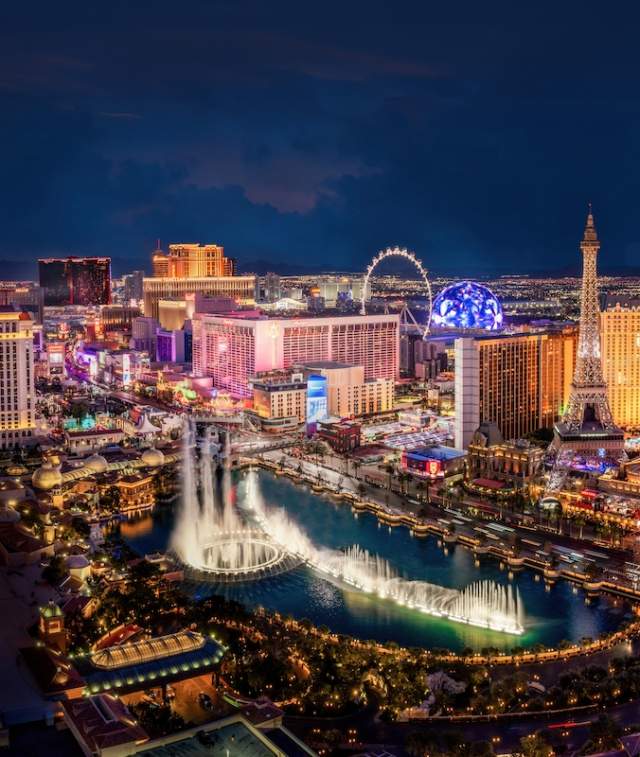
If you view the city from a distance at night, the look of Las Vegas is purely electric. The light pollution is not a detriment here; it is the primary export. The sheer saturation of LED technology on the facades of The Venetian or Luxor Las Vegas creates a glow that can be seen from space. During the day, the buildings shimmer with reflective glass, mirroring the harsh, brilliant sunlight of the Mojave Desert, but as the sun dips behind the Spring Mountains, the city transitions into a kaleidoscope of synthetic color.
The Thematic Landscape: A World Within a City
One of the most defining characteristics of the Las Vegas aesthetic is its obsession with geography and history. The city is a curated collection of world travel, condensed into a single zip code. It is an exercise in hyper-reality.
European Influence
Visitors often remark on the surreal experience of “traveling” across the globe in a single afternoon. You can stand at the foot of a half-scale Eiffel Tower located at Paris Las Vegas, marvel at the replica Canals of Venice winding through a shopping mall, or walk the cobblestone paths that mimic the streets of Europe. These are not merely replicas; they are theatrical sets that serve to transport the viewer, making the city look like a permanent world’s fair.
Modern Minimalism vs. Opulence
While the classic thematic hotels remain, the look of Las Vegas is shifting toward contemporary luxury. Structures like The Cosmopolitan of Las Vegas offer a sleek, vertical aesthetic that contrasts with the old-world motifs of its neighbors. Floor-to-ceiling glass, private balconies overlooking the desert, and high-end digital art installations define this new era. It is a sophisticated, polished look that prioritizes views and textures over neon-heavy signage, signaling a maturation of the city’s visual identity.
Beyond the Neon: The Natural and Industrial Contrast
While the glitz of the Las Vegas Boulevard captures the most attention, the wider landscape offers a jarring and beautiful juxtaposition. To understand what the city looks like, one must acknowledge the frame that holds it.
The Desert Backdrop
The Las Vegas Valley is cradled by rugged, arid mountains that take on purple and orange hues at dusk. This stark, natural beauty provides a minimalist canvas that makes the bright lights of the city appear even more intense. The contrast between the dusty, quiet silence of Red Rock Canyon and the auditory and visual assault of the city center is one of the most compelling visual experiences in the United States.
The Urban Oasis
Within the city limits, water features serve as the primary visual relief. The Bellagio Fountain is the ultimate example of this. The way the water dances against the backdrop of the Bellagio Hotel creates a fluid, moving piece of art that breaks up the rigid, boxy geometry of the surrounding casinos. These pockets of blue—pools, fountains, and artificial lagoons—are essential to the city’s appearance, providing the necessary contrast to the dry, rocky environment of Nevada.
The Evolution of Public Spaces
Finally, the look of Las Vegas is defined by its changing relationship with the pedestrian. For decades, the city was built for the car, with massive parking lots separating the attractions. Today, that look is fading in favor of pedestrian-centric plazas and walkways.
Integrated Connectivity
Projects like The Linq and the integration of open-air promenades have changed how we view the city streets. The look is now one of flow—wide walkways, bridges, and elevated paths that allow visitors to see the city from multiple vantage points. The High Roller observation wheel offers a literal panoramic look at the city, changing the perspective from that of a ground-level participant to an aerial observer. From this height, Las Vegas looks like a circuit board of light, a complex system of energy pulsing in the middle of a vast, dark expanse.

The Future Look
As Las Vegas continues to expand, its aesthetic remains fluid. We are seeing a move toward interactive architecture, where the building itself becomes a display for media. The Sphere is the definitive example of this, acting as a massive, spherical canvas that can change its entire skin in seconds. This technology represents the ultimate goal of the city’s appearance: a shape-shifting environment that never looks the same way twice.
In summary, Las Vegas does not have one static look. It is a collage of the past, the present, and the imagined future. It is neon signs reflecting off glass, the shadow of mountains on beige stucco, and the endless, shimmering horizon of an oasis that demands to be seen. It is a place that defies the traditional definition of a city, choosing instead to look like whatever the world wants it to be at that exact moment. When you look at Las Vegas, you are looking at the pinnacle of human artifice, a vibrant testament to the power of imagination set against the quiet majesty of the desert.
LifeOutOfTheBox is a participant in the Amazon Services LLC Associates Program, an affiliate advertising program designed to provide a means for sites to earn advertising fees by advertising and linking to Amazon.com. Amazon, the Amazon logo, AmazonSupply, and the AmazonSupply logo are trademarks of Amazon.com, Inc. or its affiliates. As an Amazon Associate we earn affiliate commissions from qualifying purchases.