
Planning a trip along the West Coast often involves choosing between the scenic allure of the Pacific Coast Highway or the efficiency of the skies. For those traveling between Los Angeles and Seattle, the flight path is one of the most frequently trafficked corridors in the United States. Understanding the nuances of flight duration, airline schedules, and airport logistics is essential for maximizing your travel experience.
Average Flight Duration and What to Expect
When you look at a flight itinerary between Los Angeles International Airport and Seattle-Tacoma International Airport, you will notice that the scheduled air time is typically consistent, yet influenced by several external factors.
The Standard In-Air Time
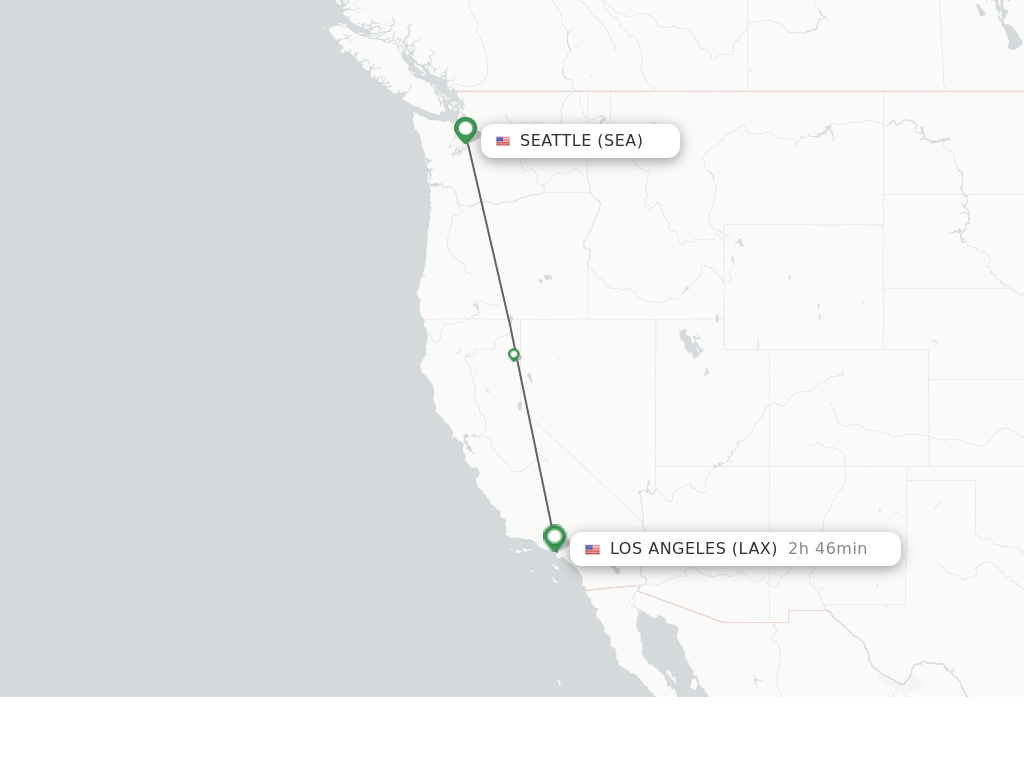
Under normal operating conditions, the average flight time from California to Washington is approximately 2 hours and 30 minutes to 2 hours and 45 minutes. While the distance between the two cities is roughly 960 miles, the actual time spent in the air depends heavily on the specific flight path and cruise altitude chosen by the pilots.
The Role of Jet Streams and Wind
One of the most significant variables affecting your arrival time is the jet stream. Because wind patterns move from west to east and shift in intensity, flights heading north-northwest toward Seattle often face different air resistance levels than those returning to Los Angeles. Occasionally, if a tailwind is particularly strong, you may find yourself touching down ahead of schedule. Conversely, winter storms or heavy cloud cover over the Pacific Northwest can lead to holding patterns, which may extend your time in the air by 15 to 30 minutes.
Factors Influencing Your Total Travel Time
While the “in-air” time is the metric most people look for, the “gate-to-gate” time is the true measure of your journey. It is crucial to distinguish between being in the air and the total duration of your transit.
Taxi Times and Congestion
Both Los Angeles International Airport and Seattle-Tacoma International Airport are massive hubs that handle an immense volume of air traffic. At LAX, taxi times can vary significantly depending on which terminal your aircraft is assigned to and the congestion on the runways. If you depart during peak hours—typically early mornings or late afternoons—you should budget an extra 15 to 20 minutes for taxiing alone.
Seasonal Impacts and Weather
The climate in Seattle is notoriously unpredictable, especially during the fall and winter months. Low visibility due to heavy fog or rain can occasionally cause ground delays, requiring planes to wait for air traffic control clearance. Even if your flight is only 2.5 hours long, a half-hour delay on the tarmac can shift your entire schedule. Always check the long-range weather forecast for both California and Washington a few days before your departure.

Choosing the Right Airline and Service Class
The experience of flying between these two major cities is highly commoditized, yet different airlines offer varying levels of reliability and comfort.
Major Carriers and Frequency
Because this route is a primary artery for business and leisure travel, airlines like Alaska Airlines, Delta Air Lines, United Airlines, and Southwest Airlines operate multiple daily non-stop flights. With such high frequency, travelers have the luxury of choosing flight times that best align with their personal productivity or leisure goals.
Non-Stop vs. Connecting Flights
It is strongly recommended to book non-stop flights for this route. While connecting through hubs like San Francisco, Portland, or Salt Lake City might occasionally save money, it turns a relatively short 2.5-hour hop into a 5-to-7-hour ordeal. Given the geographic proximity, the efficiency of a direct flight is almost always worth the potential slight premium in ticket price.
Planning for Arrival and Ground Transportation
Once you land, your journey is not quite over. Both cities have unique ground transportation dynamics that you should factor into your planning to ensure a smooth transition.
Navigating Seattle-Tacoma International Airport
Upon landing in Sea-Tac, you will find a highly efficient transit system. The Link Light Rail provides a reliable, budget-friendly way to get from the airport directly into the heart of Downtown Seattle. This is often faster than opting for a rideshare or taxi during the afternoon rush hour, when traffic on the I-5 corridor can be significant.
Maximizing Your Time in Los Angeles
Conversely, when departing from Los Angeles, traffic is the single greatest enemy of punctuality. The 405 Freeway and the 105 Freeway are notoriously unpredictable. If you are flying out of LAX, always allow for a buffer of at least two hours before your flight time, even if you have already checked in online.

Final Pro-Tips for a Smoother Trip
- TSA PreCheck: If you are a frequent traveler between California and Washington, obtaining TSA PreCheck is invaluable for reducing stress at security checkpoints.
- Optimal Seating: Since this flight path often travels along the coast, request a window seat. On a clear day, you can see the coastline, Mount Rainier, and the Cascade Mountains as you descend into Seattle.
- Connectivity: Most major carriers offer high-speed Wi-Fi on this route, making it an excellent time to catch up on emails or plan your itinerary for the Space Needle or Pike Place Market.
Ultimately, the flight from Los Angeles to Seattle is short enough to feel quick, yet long enough to require thoughtful preparation. By understanding the typical flight duration and preparing for the minor logistical variables of these two major metropolitan areas, you can ensure that your transition between the sun-drenched coast of Southern California and the lush, verdant landscapes of the Pacific Northwest is as seamless as possible.
LifeOutOfTheBox is a participant in the Amazon Services LLC Associates Program, an affiliate advertising program designed to provide a means for sites to earn advertising fees by advertising and linking to Amazon.com. Amazon, the Amazon logo, AmazonSupply, and the AmazonSupply logo are trademarks of Amazon.com, Inc. or its affiliates. As an Amazon Associate we earn affiliate commissions from qualifying purchases.