
For millions of visitors who flock to the shimmering neon oasis of Las Vegas, the skyline is dominated by a brand that has become synonymous with the city’s identity. The initials “MGM” are emblazoned on some of the most iconic structures on the Las Vegas Strip. While the brand is now a global powerhouse in entertainment and hospitality, its roots are deeply embedded in the cinematic and corporate history of the United States.
The Origin Story: From Silver Screen to Neon Lights
At its core, MGM stands for Metro-Goldwyn-Mayer. To understand why a movie studio name defines a significant portion of the hospitality landscape in Nevada, one must look back at the corporate evolution of Kirk Kerkorian.
The Cinematic Heritage
In the golden age of Hollywood, Metro-Goldwyn-Mayer was the titan of the motion picture industry. Known for the legendary “Leo the Lion” roar and the motto Ars Gratia Artis (Art for Art’s Sake), the studio produced classics that defined American culture. When Kerkorian, a business magnate and investor with a keen eye for Las Vegas real estate, acquired the studio in the late 1960s, he saw an opportunity to bridge the gap between high-end entertainment and the hospitality sector.
The Corporate Evolution
Kerkorian’s investment strategies led to the creation of MGM Grand Inc., a move that signaled a pivot from pure film production to the development of massive, integrated resorts. By leveraging the prestige of the studio name, the company established a brand identity that promised luxury, excitement, and a theatrical experience for guests. Over the decades, this transformed into MGM Resorts International, the corporate entity that operates today’s sprawling empire.
The Architectural Legacy of the MGM Brand
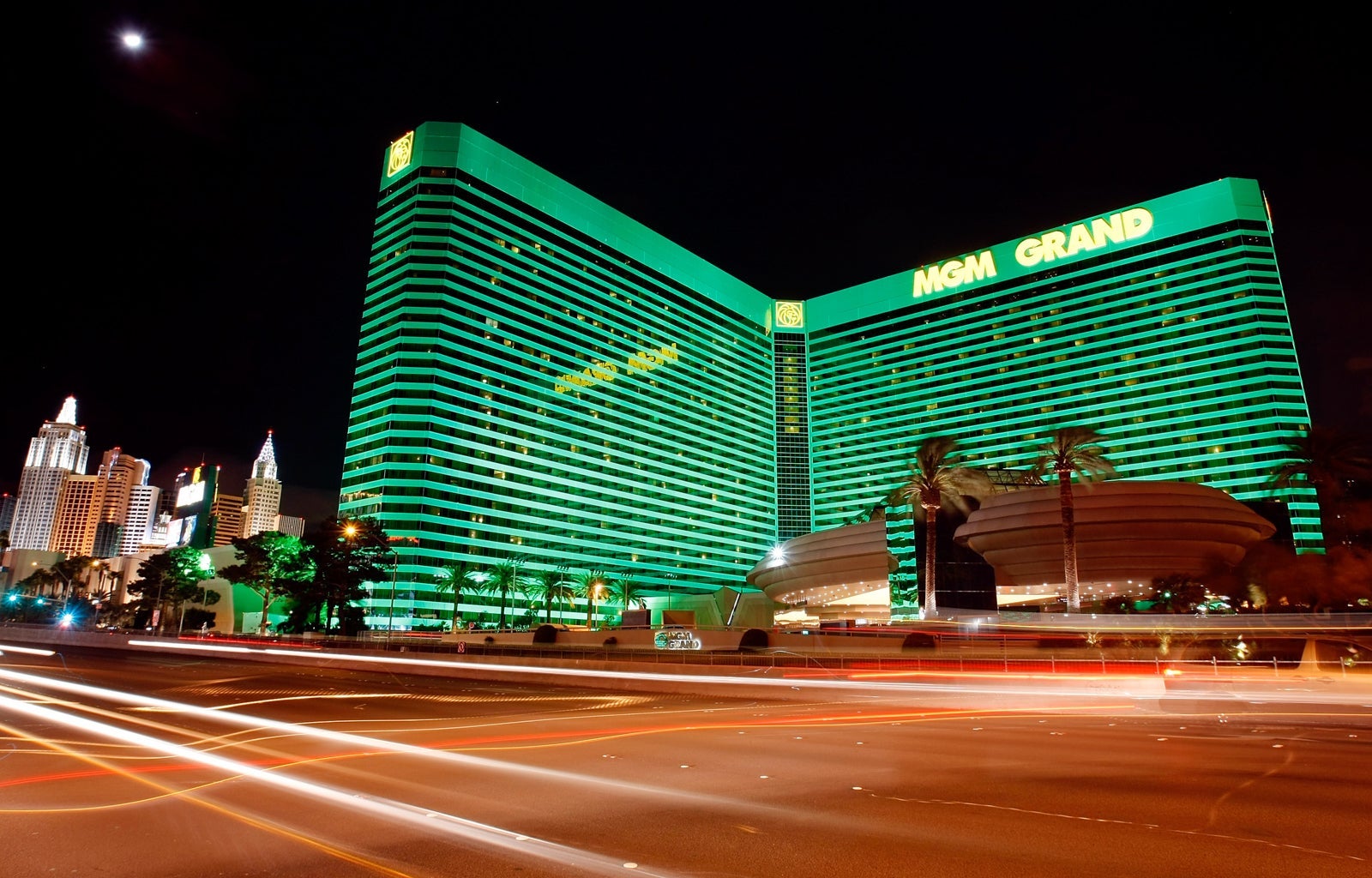
The presence of “MGM” in Las Vegas is not merely a brand name; it is an architectural statement. The MGM Grand itself serves as the flagship for this identity, embodying the scale and ambition of the company.
The Evolution of the MGM Grand
The original MGM Grand Hotel and Casino opened in 1973 on the corner of the Strip and Flamingo Road, occupying the site where the Bally’s Las Vegas—now known as Horseshoe Las Vegas—stands today. This original property was a marvel of the era, but the modern iteration, which opened in 1993, took the concept of a “mega-resort” to an entirely new level.
Standing as one of the largest hotels in the world, the modern MGM Grand utilizes its name to convey the “grand” scale of its amenities, including the Grand Garden Arena, its expansive pool complex, and its vast gaming floor.

A Portfolio of Iconic Destinations
The influence of MGM extends far beyond its namesake property. The company has curated a collection of hotels that define the Las Vegas skyline:
- Bellagio: Renowned for its elegance, fine dining, and the famous Fountains of Bellagio.
- ARIA Resort and Casino: A centerpiece of the CityCenter complex, representing modern, sustainable luxury.
- Mandalay Bay: Famous for its beach-like atmosphere and the Mandalay Bay Convention Center.
- Park MGM: A reimagining of the classic resort experience, focused on a more boutique, European-inspired feel.
The Experience Economy: Hospitality Beyond the Name
For the modern traveler, MGM stands for more than just a historical acronym. It represents a comprehensive hospitality ecosystem. Guests choosing to stay at these resorts are not just booking a room; they are accessing a tiered experience that ranges from budget-friendly entertainment to ultra-luxury suites.
Culinary and Nightlife Excellence
The strategy behind the MGM Resorts International properties has been to centralize high-end services. By partnering with celebrity chefs and creating world-class nightclubs, these hotels have become destinations in their own right. Whether one is dining at Le Cirque or catching a show at the Dolby Live, the “MGM” brand ensures a level of polish and professional service that guests have come to expect.
The Integrated Resort Model
The “Integrated Resort” model—where gaming, lodging, dining, and retail exist in a symbiotic loop—was perfected by the company. When you walk through the lobby of The Mirage or the New York-New York Hotel and Casino, you are navigating spaces designed to keep the guest engaged, entertained, and comfortable for the duration of their stay. This commitment to the total guest experience is what keeps the brand relevant even as Las Vegas trends toward more experiential travel rather than just gambling.
The Future of the Brand in the Desert
As Las Vegas continues to evolve, so too does the interpretation of “MGM.” The brand is no longer just a movie studio legacy; it is a global hospitality leader. The recent focus on sports tourism, exemplified by the partnership with T-Mobile Arena, shows that the company is adapting to a new demographic of traveler.
Innovation and Sustainability
Modern hotels must be environmentally conscious, and the company has invested heavily in sustainable building practices. From the Vdara Hotel & Spa, which offers a smoke-free and non-gaming environment, to the technological advancements at ARIA Resort and Casino, the brand is looking forward.
A Lasting Legacy
Ultimately, when a visitor walks down the Las Vegas Strip and looks up at the letters “MGM,” they are witnessing a bridge between two worlds: the glamorous, fictionalized world of Hollywood and the tangible, high-octane reality of Nevada. The acronym Metro-Goldwyn-Mayer remains the foundation, but the identity of the brand is now firmly established as the backbone of the Las Vegas tourism industry.
Whether you are staying at the Delano Las Vegas for a quiet retreat or heading to the MGM Grand for the thrill of the lights, the name signifies a standard. It is a reminder that in Las Vegas, the spectacle is the product, and the hospitality is the performance. The legacy of the silver screen continues to thrive, projected not onto a cinema screen, but onto the very architecture that defines the world’s most famous desert city. By blending its cinematic past with a forward-thinking approach to resorts, the brand has ensured that “MGM” will remain a permanent fixture in the collective consciousness of those who seek the best that the United States has to offer in travel, leisure, and entertainment.
LifeOutOfTheBox is a participant in the Amazon Services LLC Associates Program, an affiliate advertising program designed to provide a means for sites to earn advertising fees by advertising and linking to Amazon.com. Amazon, the Amazon logo, AmazonSupply, and the AmazonSupply logo are trademarks of Amazon.com, Inc. or its affiliates. As an Amazon Associate we earn affiliate commissions from qualifying purchases.