
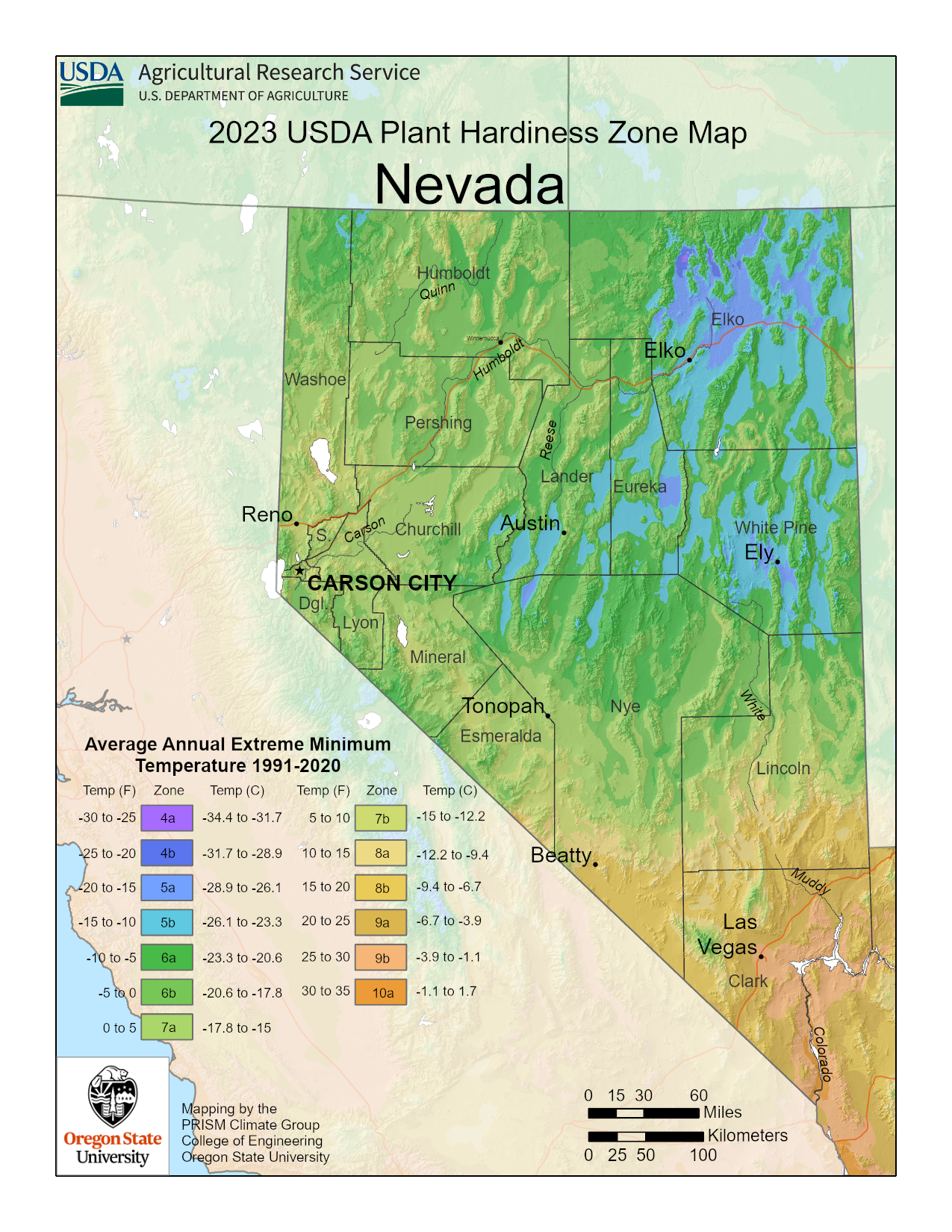
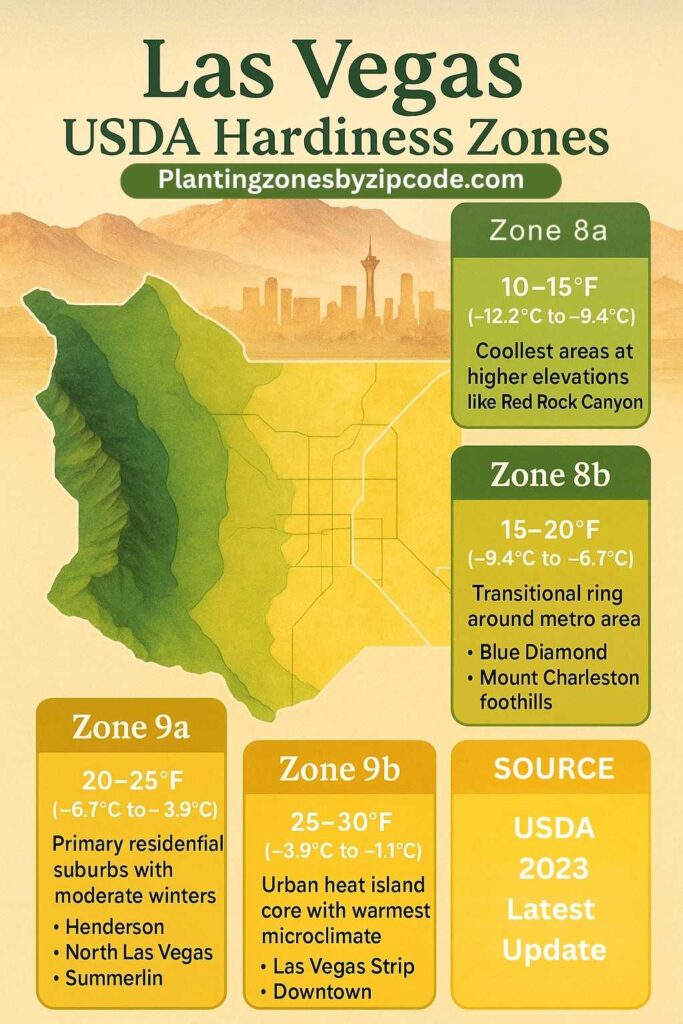
Gardening in the desert is an exercise in both patience and precision. For residents and visitors alike who find themselves enchanted by the vibrant landscapes of Las Vegas, understanding the local climate is the first step toward horticultural success. When you look at the United States Department of Agriculture (USDA) Plant Hardiness Zone Map, Las Vegas primarily falls into Zone 9a and 9b.
This designation is crucial for anyone attempting to cultivate greenery in the Mojave Desert. A Zone 9 climate indicates that the area experiences mild winters, with average annual extreme minimum temperatures ranging between 20°F and 30°F. However, these zones only tell half the story. The extreme summer heat, combined with low humidity and alkaline soil, creates a unique set of challenges that define the gardening lifestyle in this iconic Nevada destination.
Decoding the Desert Climate and Hardiness Zones
Understanding your garden zone is about more than just checking a map; it is about respecting the rhythm of the local environment. While the hardiness zones provide a baseline for what plants can survive the winter frost, the true arbiter of success in Las Vegas is the scorching summer sun.
The Nuances of Zone 9a and 9b
In Las Vegas, the transition between 9a and 9b can be subtle, often dictated by elevation and the “urban heat island” effect. Downtown areas and regions closer to the Las Vegas Strip often retain more heat, effectively behaving like a warmer micro-climate. Conversely, areas on the outskirts, such as Summerlin or Henderson, might experience slightly cooler temperatures due to their higher elevation and proximity to the Spring Mountains.
Understanding Frost Dates
Despite the reputation for relentless heat, Las Vegas does experience a dormant period. The first frost usually arrives in November, and the last frost typically occurs in late February or early March. Knowing these dates is essential for seasonal planting. Attempting to grow tropical species without adequate protection during these months will almost certainly result in disappointment, regardless of the plant’s zone rating.
Selecting Plants That Thrive in the Mojave
Gardening in a desert city requires a paradigm shift. Instead of focusing solely on traditional lawns and thirsty flowerbeds, successful gardeners in Las Vegas lean into xeriscaping—a landscaping method that reduces or eliminates the need for supplemental water from irrigation.
Native Species as the Gold Standard
The most resilient gardens in Nevada are those that mimic the natural ecosystem of the Mojave Desert. Native plants are evolved to handle the extreme heat and the alkaline, rocky soil. Consider incorporating:
- Desert Willow: A beautiful, drought-tolerant tree that produces orchid-like flowers.
- Apache Plume: A hardy shrub that provides interesting texture and delicate white blooms.
- Globe Mallow: Known for its vibrant orange flowers that pop against the desert backdrop.
Adapting Non-Native Favorites
You do not have to limit yourself strictly to native flora. Many plants from the Mediterranean or Australia also thrive in Zone 9. Lavender, rosemary, and certain varieties of agave are excellent additions that provide both aesthetic appeal and culinary value, fitting perfectly into the arid climate of Las Vegas.
Irrigation and Soil Management Strategies
In Las Vegas, water is the most precious resource. Because the soil is often comprised of heavy clay or caliche (a hardened deposit of calcium carbonate), standard planting techniques often fail.
Tackling Alkaline Soil
The soil in Nevada is famously alkaline. Most plants prefer a slightly acidic to neutral pH. To succeed, gardeners often amend their soil with organic matter, such as compost or peat moss, to improve drainage and nutrient availability. Raised beds are a popular solution, allowing growers to control the soil composition entirely, circumventing the challenges of the natural ground.
Drip Irrigation: The Lifeline of the Desert
Overhead watering is largely ineffective in the Las Vegas heat, as much of the water evaporates before it even hits the roots. Drip irrigation systems are the industry standard for both residential and commercial landscaping in the city. By delivering water directly to the root zone, these systems minimize waste and maximize the health of the plants. Mulching is equally important; a thick layer of rock or wood mulch serves as a thermal blanket, protecting roots from the baking sun and retaining vital moisture.
The Aesthetic of Desert Gardening
Gardening in Las Vegas is not just about survival; it is about creating a sanctuary. The contrast between the rugged, arid landscape and a well-tended garden creates a stunning visual appeal.
Designing with Hardscape
In the American Southwest, hardscaping is a major component of the garden design. Using local boulders, decorative gravel, and pavers can reduce water usage while adding structural interest. These elements provide a frame for your plants, turning the garden into a living piece of art that looks intentional and sophisticated.
Seasonal Color in a Harsh Environment
While the desert is often thought of as brown and beige, it is surprisingly colorful if you know when to plant. The spring bloom in Las Vegas is spectacular. By planting bulbs in the fall that bloom in early spring, you can enjoy a burst of color before the summer heat truly sets in. Likewise, cool-season vegetables like kale, spinach, and broccoli grow exceptionally well in the winter, proving that the gardening season in Nevada never truly ends—it just shifts gears.

Creating a Sustainable Future
As the city continues to grow, the importance of water-wise gardening cannot be overstated. By respecting the Zone 9 designation and working within the limitations of the Mojave Desert, residents are not just creating beautiful spaces; they are contributing to the long-term sustainability of the region.
Whether you are landscaping a small patio near the High Roller or managing a larger property in Henderson, the principles remain the same. Focus on native and drought-tolerant species, utilize efficient irrigation, and embrace the unique, rugged beauty of the desert. When you work with the climate rather than against it, the Las Vegas landscape can be just as lush and rewarding as any garden in a wetter climate, proving that even in the heart of the desert, life can flourish with the right touch.
LifeOutOfTheBox is a participant in the Amazon Services LLC Associates Program, an affiliate advertising program designed to provide a means for sites to earn advertising fees by advertising and linking to Amazon.com. Amazon, the Amazon logo, AmazonSupply, and the AmazonSupply logo are trademarks of Amazon.com, Inc. or its affiliates. As an Amazon Associate we earn affiliate commissions from qualifying purchases.