
For those looking to cultivate a slice of nature amidst the arid splendor of the Mojave Desert, understanding the local climate is the essential first step. While Las Vegas is world-renowned for its neon lights, high-stakes entertainment, and luxury resorts, it is also a fascinating study in desert horticulture. To successfully grow plants in this unique environment, one must first identify the specific USDA Plant Hardiness Zone that governs the valley.
Defining the Climate of the Mojave
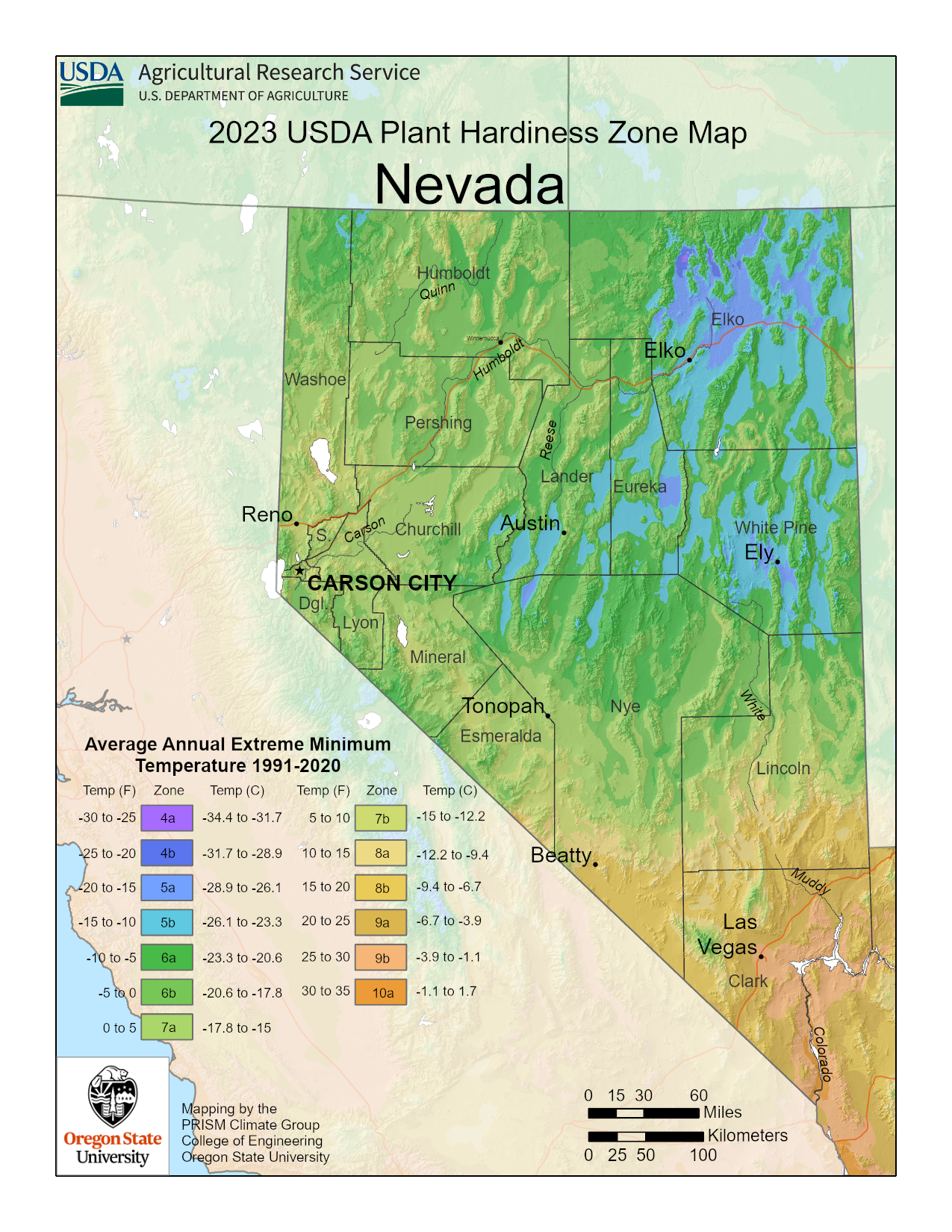
The United States Department of Agriculture (USDA) plant hardiness zone map is the standard by which gardeners and landscapers determine which plants are most likely to thrive at a location. This classification is based on the average annual extreme minimum winter temperature.
Understanding USDA Zone 9
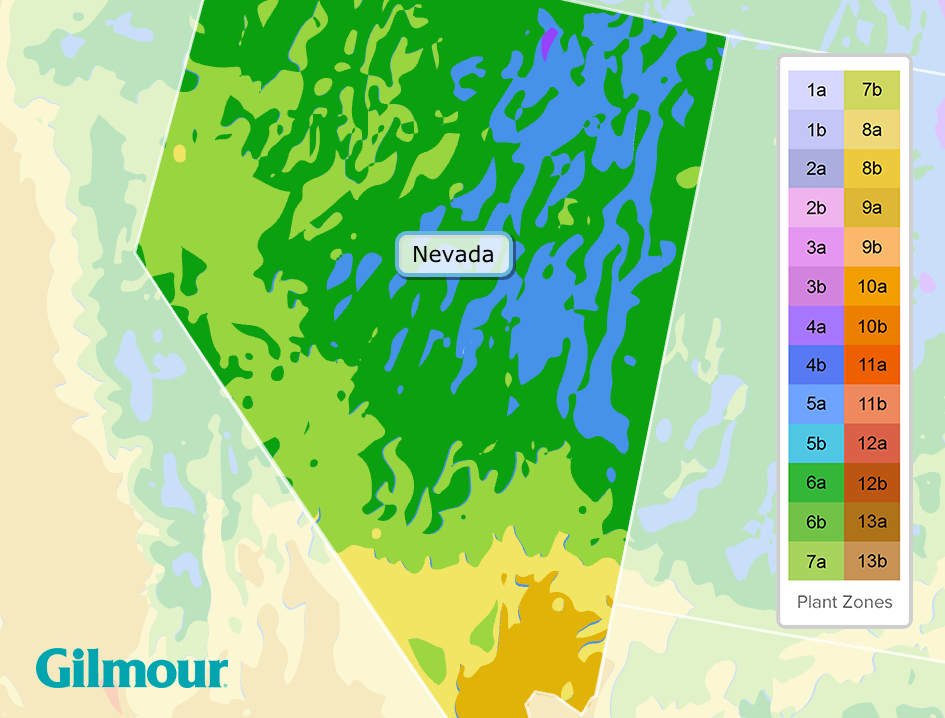
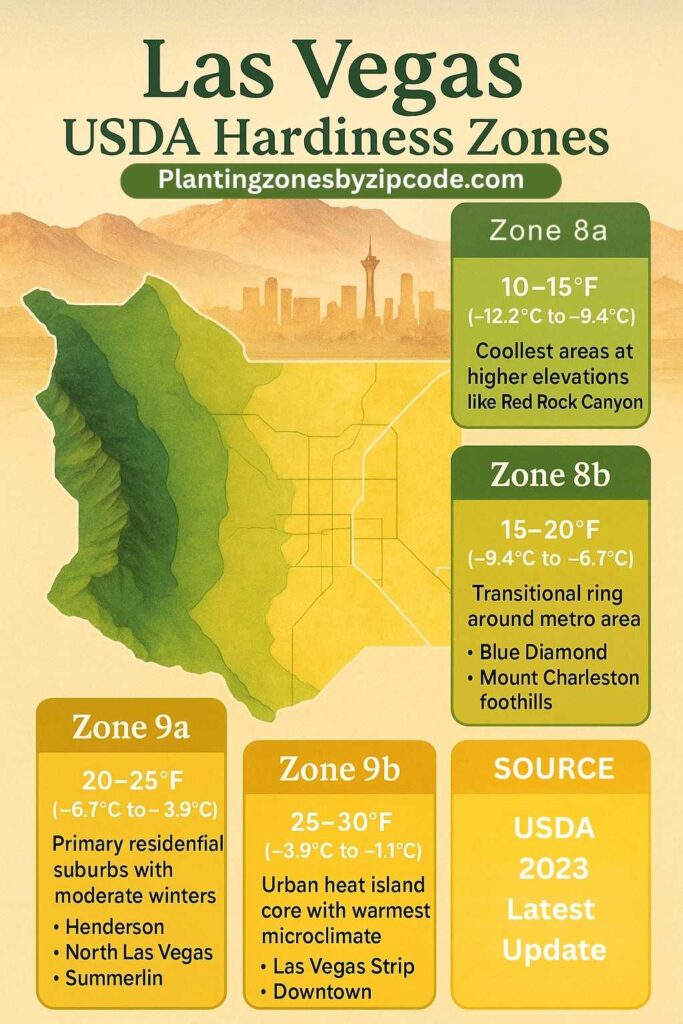
Las Vegas sits squarely within USDA Hardiness Zone 9, specifically hovering between 9a and 9b. In this zone, the average annual extreme minimum temperature typically ranges from 20°F to 30°F. This categorization is crucial because it informs gardeners about the threshold for frost sensitivity. While winter temperatures in the Nevada desert are generally mild, the occasional overnight dip can be fatal to tropical or subtropical plants that are not acclimated to the region’s specific fluctuations.
The Role of Microclimates
While the regional classification is Zone 9, the actual experience of gardening in Las Vegas is heavily influenced by microclimates. The urban heat island effect—exacerbated by the vast amount of concrete, asphalt, and glass found along the Las Vegas Strip—often keeps residential areas slightly warmer than the surrounding desert floor. Conversely, lower-lying areas in the valley can act as “frost pockets,” where cold air settles and lingers longer than on elevated terrain. Identifying the microclimate within a specific backyard, patio, or courtyard is just as important as knowing the general zone.
Challenges of Gardening in a Desert Environment
Growing in Las Vegas requires more than just knowing a zone number. The combination of intense solar radiation, alkaline soil, and extremely low humidity presents a unique set of challenges that differ significantly from coastal or temperate regions.
Soil Composition and pH Levels
The native soil in the Mojave Desert is primarily composed of caliche—a hardened deposit of calcium carbonate. This alkaline soil can lock up nutrients, making it difficult for many traditional garden plants to absorb what they need to flourish. Gardeners in the region often opt for raised beds or heavily amended soil to bypass the challenges of the native substrate. Adding organic matter is essential for improving drainage and balancing the pH levels to create a more hospitable growing medium for a wider variety of botanical life.
Water Conservation and Xeriscaping
Water is the most precious resource in the United States. Because Las Vegas receives very little annual rainfall, landscape design must prioritize water efficiency. Xeriscaping—a method of landscaping that reduces or eliminates the need for irrigation—is the gold standard for the region. By utilizing drought-tolerant native species, gardeners can create lush, vibrant spaces that do not rely on thirsty lawns or non-native flowers. Plants such as agave, yucca, and various desert sages are perfectly adapted to the Zone 9 climate and provide a stunning aesthetic that honors the local geography.
Selecting Plants for the Las Vegas Landscape
When choosing vegetation for a property in Las Vegas, the primary goal is to find specimens that can handle the extreme summer heat while remaining resilient during the colder winter nights.
Native Species and Their Benefits
The most successful gardens in the region utilize native plants. These species have evolved over millennia to thrive in the specific conditions of the Mojave Desert.
- Desert Willow: A stunning, flowering tree that offers shade and beauty without the high water requirements of traditional ornamental trees.
- Creosote Bush: An iconic emblem of the desert that is virtually indestructible once established.
- Desert Marigold: Provides a splash of vibrant yellow color throughout the spring and early summer, standing up well to the intense desert sun.
By incorporating these species, one reduces the reliance on fertilizers and excessive irrigation, creating a garden that is not only sustainable but also deeply connected to the natural heritage of Nevada.
Managing Heat-Sensitive Ornamentals
For those who wish to grow non-native ornamentals, the “right place, right time” strategy is key. Many gardeners utilize the protection of a home’s shadow or the insulation of a north-facing wall to extend the life of plants that might otherwise struggle in the full, unyielding blast of the afternoon sun. Additionally, potted gardening allows for flexibility; moving containers into shaded areas during the peak of July and August can mean the difference between a thriving plant and a scorched one.
Seasonal Timing and Maintenance
Timing is everything in a Zone 9 climate. The growth cycles in Las Vegas are often inverted compared to other parts of the country.
The Two Planting Seasons
Most gardening in Las Vegas occurs in two distinct windows: spring and fall.
- Spring Planting: Begins in late February or March, once the threat of the last hard frost has passed. This window is ideal for establishing annuals and vegetables that will reach maturity before the brutal heat of July.
- Fall Planting: Often considered the superior season for planting in the desert, this window starts in September and runs through November. The soil is still warm, which encourages rapid root growth, and the decreasing temperatures allow new arrivals to settle in without the immediate stress of the summer sun.
Winter Protection Strategies
While the Mojave Desert winters are mild, the extreme drops in temperature during a cold snap can still occur. Utilizing frost cloths to cover delicate specimens overnight is a standard practice for local garden enthusiasts. Keeping plants well-hydrated before a cold night is also effective, as moist soil retains heat more efficiently than dry soil, providing a minor buffer for root systems.
The Aesthetic of Sustainable Desert Living
Embracing the reality of being in a high-desert, Zone 9 environment opens up a world of design possibilities. The landscape of Las Vegas is not merely a collection of dirt and rocks; it is a palette of textures, architectural forms, and subtle color shifts. From the structural elegance of a cactus garden to the soft, swaying beauty of native ornamental grasses, the potential for a sophisticated, low-maintenance landscape is vast.
As more residents look toward sustainable living, the importance of understanding the hardiness zone becomes a cornerstone of property maintenance and design. By respecting the climate of Nevada, one can cultivate an outdoor space that serves as a tranquil, refreshing sanctuary, proving that even in the heart of a desert city, nature can be artfully integrated into the daily experience. Through careful planning, thoughtful plant selection, and a commitment to water-wise practices, any space can honor the environment while providing a beautiful, living extension of the home.
LifeOutOfTheBox is a participant in the Amazon Services LLC Associates Program, an affiliate advertising program designed to provide a means for sites to earn advertising fees by advertising and linking to Amazon.com. Amazon, the Amazon logo, AmazonSupply, and the AmazonSupply logo are trademarks of Amazon.com, Inc. or its affiliates. As an Amazon Associate we earn affiliate commissions from qualifying purchases.