
For travelers planning a coastal getaway to the rugged shores of Maine, the Atlantic Ocean acts as both a majestic backdrop and a source of curiosity. As you map out your itinerary—perhaps including a visit to the iconic Acadia National Park or a stroll through the charming streets of Portland—you may find yourself wondering about the inhabitants of the deep blue waters that define the Pine Tree State. The question “Are there sharks in Maine?” is common among vacationers who enjoy swimming, surfing, or taking scenic boat tours. The answer is a definitive yes, but it comes with important nuance for those looking to enjoy the region’s world-class maritime experiences.

The Presence of Marine Predators in Northern Waters
While Maine is more famously associated with lobsters, lighthouses, and the rocky cliffs of Bar Harbor, it is also home to a diverse ecosystem that includes several species of sharks. These predators are a natural part of the Atlantic Ocean food chain.
Understanding Species Diversity
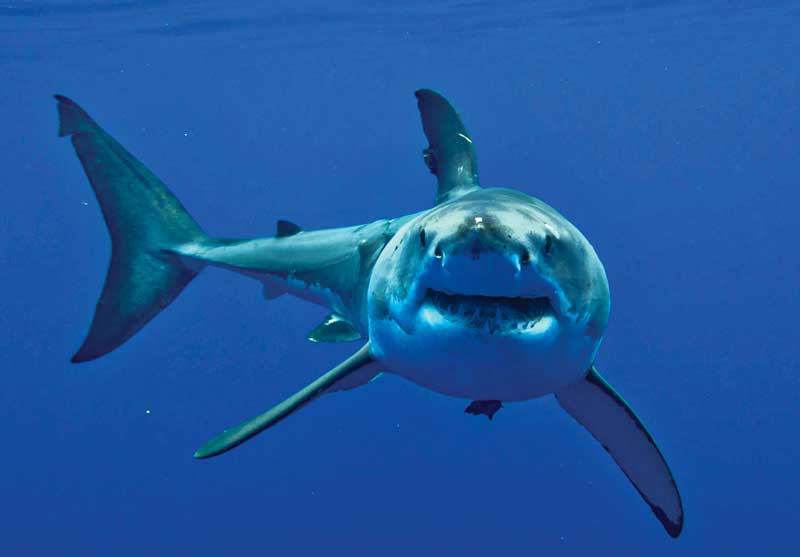
It is important to understand that the presence of sharks does not necessarily equate to danger for human visitors. The most common species found in these cold waters are generally not interested in humans. You might encounter the Porbeagle, a close relative of the Great White, or the Blue Shark, which typically stays far offshore in deeper, cooler waters. During the summer months, as water temperatures rise, marine life becomes more active, drawing these species closer to the continental shelf.
Why Maine’s Waters are Unique
The Gulf of Maine is a highly productive body of water, rich in nutrients that support vast schools of herring, mackerel, and other prey fish. This abundance of food is exactly what attracts sharks to the region. Travelers heading out on whale-watching excursions from Kennebunkport or Boothbay Harbor are sometimes treated to the rare sight of these apex predators patrolling the surface, a testament to the healthy, thriving ecosystem of the North Atlantic.
Assessing the Risks for Swimmers and Surfers
For those visiting popular beach destinations like Ogunquit or Old Orchard Beach, the primary concern is safety. While the sight of a fin can trigger panic, attacks in Maine remain exceptionally rare.
The Role of Environmental Factors
Sharks are ectothermic, meaning they are sensitive to temperature shifts. The waters off the coast of New England are notoriously chilly, which acts as a natural deterrent for many species. However, as climate patterns shift and seal populations—the primary food source for larger sharks like the Great White—increase near islands like Monhegan or Matinicus, the movement of sharks has become a point of scientific study.

Safety Tips for Coastal Visitors
If you are planning to spend your vacation swimming or surfing, follow these best practices:
- Stay Informed: Check local beach reports and follow guidance from lifeguards.
- Avoid High-Risk Times: Sharks are most active during dawn and dusk, so plan your water activities for the middle of the day.
- Avoid Seal Colonies: Seals are a primary food source for larger sharks. Swimming or surfing near areas known for high seal activity is discouraged.
- Stay in Groups: There is safety in numbers, and larger groups are less likely to be investigated by marine wildlife.
Wildlife Observation and Conservation
The growing interest in shark sightings has opened up a new niche in Maine tourism: sustainable marine education. Rather than fearing these creatures, many visitors are learning to appreciate their role in maintaining the balance of the ocean.
Educational Boat Tours
Several marine operators in towns like Rockland and Camden have begun incorporating marine biology segments into their tours. These programs focus on the migration patterns of sharks and their importance to the health of the Gulf of Maine. By participating in these tours, you gain a deeper understanding of the local environment and support the conservation efforts that keep the waters clean and the wildlife protected.
The Importance of Apex Predators
Sharks play a vital role in cleaning the ocean by removing sick or weak fish, which helps keep fish populations healthy and prevents the spread of disease. Understanding their behavior allows researchers to track population changes and protect the delicate Atlantic coastline. Seeing a shark in its natural habitat—even from the safety of a research vessel—is an awe-inspiring experience that highlights the raw, untamed beauty of New England.
Embracing the Maine Experience
While the presence of sharks is a scientific reality, it should not overshadow the incredible experiences that await you in Maine. Whether you are planning a luxury retreat to a Relais Chateaux property or a rugged camping trip in the wilderness, the allure of the coast remains the star attraction.
Planning Your Coastal Itinerary
When building your travel guide, remember that the coastline of Maine is diverse. From the sandy beaches of the southern coast to the dramatic cliffs of the northern regions near Lubec, there is something for every type of traveler. Always check the specific recommendations for the area you are visiting, as local conditions can change based on tides, currents, and wildlife movement.
Balancing Nature and Tourism
Travelers who respect the ocean and its inhabitants are rewarded with some of the most stunning views in the United States. By staying informed and practicing common-sense safety, you can fully immerse yourself in the nautical culture of this beautiful state. From the bustling harbors of Portland to the quiet, introspective beauty of Mount Desert Island, your adventure in Maine is defined by the depth of your curiosity.
So, are there sharks in Maine? Yes. Does this prevent you from enjoying the perfect seaside vacation? Certainly not. With a healthy respect for nature and a bit of local knowledge, you can explore the rugged beauty of the Atlantic Ocean with confidence and wonder. Pack your binoculars, bring your camera, and prepare to be enchanted by the wild, natural splendor that makes this state a top-tier destination for nature lovers and adventurers alike. Whether you are kayaking in a sheltered bay or hiking along the Bold Coast, the spirit of the North Atlantic is waiting for you.
LifeOutOfTheBox is a participant in the Amazon Services LLC Associates Program, an affiliate advertising program designed to provide a means for sites to earn advertising fees by advertising and linking to Amazon.com. Amazon, the Amazon logo, AmazonSupply, and the AmazonSupply logo are trademarks of Amazon.com, Inc. or its affiliates. As an Amazon Associate we earn affiliate commissions from qualifying purchases.