
For decades, the Las Vegas narrative was written in neon lights, high-stakes casino floors, and world-class theatrical spectacles. However, just off the famed Las Vegas Strip, a radical shift in entertainment architecture has taken hold. Area 15 stands as the antithesis to the traditional resort experience, serving as an immersive, experiential retail and entertainment complex that defies easy categorization. It is not merely a venue; it is a sensory-driven landscape that has redefined the modern Nevada itinerary.
The Architectural Concept of Immersive Entertainment
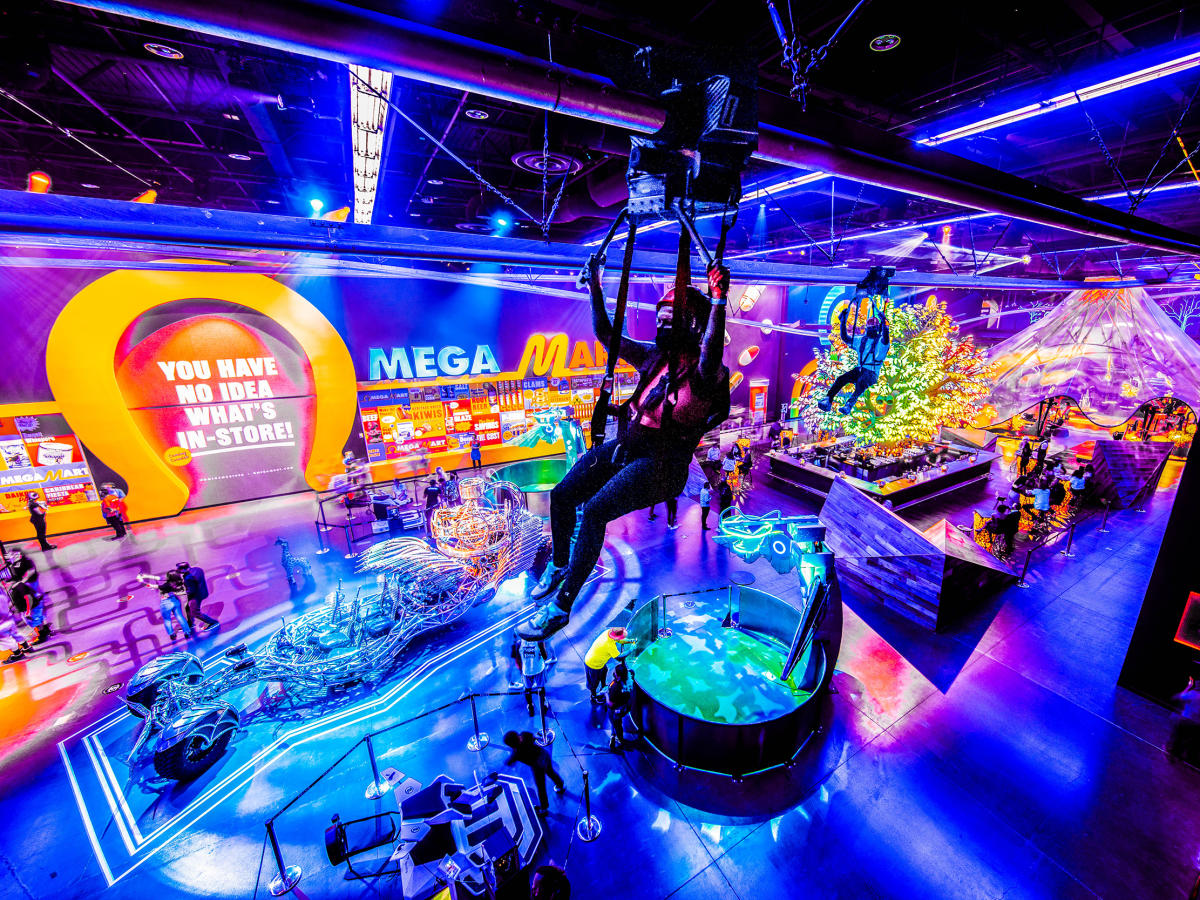
At its core, Area 15 functions as a massive, repurposed industrial warehouse transformed into a neon-drenched cyberpunk playground. Unlike the monolithic casinos of the United States, which focus heavily on gaming and standard hospitality, this space prioritizes “active participation.” The architecture itself acts as a storytelling device, using complex lighting arrays, kinetic art installations, and futuristic aesthetics to disorient the visitor from the mundane reality of the outside world.
Redefining the Tourist Experience
The primary philosophy driving this destination is the transition from “passive observation” to “active immersion.” In traditional settings, tourists sit in theaters or walk through galleries. Here, the boundary between the performer and the guest is intentionally blurred. By curating a rotating roster of tech-forward experiences, the space ensures that every visit feels distinct, distancing itself from the static nature of older tourist attractions.
The Role of Technology and Light
Visitors are immediately greeted by the “OMEGA MART” conceptual storefront, which serves as a gateway into the complex. The use of projection mapping, interactive haptic floors, and high-fidelity soundscapes creates an environment where the physical walls feel secondary to the digital narratives layered over them. It is a masterclass in modern spatial design, proving that Las Vegas remains the global epicenter for large-scale creative engineering.
Key Attractions Within the Warehouse
While the general atmosphere is a massive draw, the complex is anchored by several flagship experiences that require dedicated time to explore. These installations are curated to cater to a demographic that seeks more than just a typical night out, appealing to those who value artistic expression and technological mastery.
Omega Mart: A Surrealist Retail Odyssey
Operated by the art collective Meow Wolf, Omega Mart is perhaps the most famous tenant within the complex. What appears at first glance to be a satirical supermarket stocked with bizarre, surrealist grocery items is actually a sprawling, multi-dimensional narrative experience. Guests are encouraged to investigate the aisles, uncover secrets, and enter hidden portals that lead to expansive, dream-like worlds. It is the pinnacle of collaborative art, merging sculpture, digital media, and deep-lore storytelling into a singular, walk-through experience.
The Spine and Outdoor Art Installations
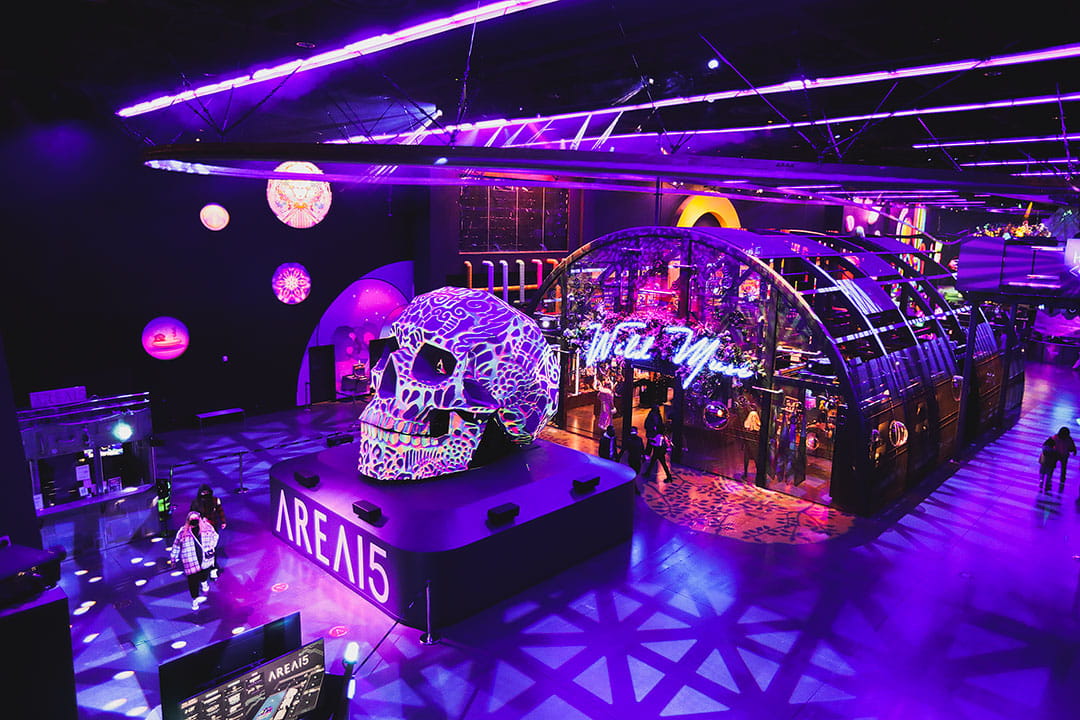
Connecting the various attractions is “The Spine,” a high-energy walkway that serves as the heart of the facility. Here, visitors encounter eclectic bars, eateries, and smaller art installations. Outside, the property is marked by the presence of large-scale sculptures, such as the glowing 30-foot skull and various metallic creatures that define the site’s distinct, post-apocalyptic aesthetic. This outdoor space has become a hub for Las Vegas nightlife events, often hosting festivals and late-night gatherings that spill out from the main building.
The Cultural Impact on Las Vegas Tourism
The arrival of this immersive complex has altered the fundamental trajectory of Las Vegas tourism. For years, the city struggled to capture the interest of the “experience-economy” generation, who often prioritize unique photo opportunities and interactive social moments over traditional gambling or buffet dining.
Shifting Demographics and Expectations
By offering a space that feels like a cross between a science fiction film set and an underground art gallery, the developers have successfully lured a younger, more creative crowd to the Nevada desert. It has become a mandatory stop for influencers, tech enthusiasts, and art lovers alike. The success of this model has prompted other major metropolitan areas to consider how they can integrate similar “experience-first” venues to revitalize their own tourism sectors.
A Catalyst for Non-Gaming Revenue
Economically, Area 15 represents a broader shift in the city’s business model. While the Las Vegas Strip still relies heavily on the casino floor, off-strip venues are proving that there is significant profit in “experiential retail.” This move toward non-gaming entertainment helps stabilize the city’s economy, making it more resilient to fluctuations in gambling trends and appealing to families and groups who might otherwise bypass Las Vegas entirely.
Planning Your Visit: Tips for Maximizing the Experience
Navigating a space that is intentionally designed to be disorienting requires a bit of foresight. Because the complex is so dense with sensory input, a strategic approach ensures you don’t miss the hidden highlights.
Timing and Accessibility
The best time to visit is during the weekday afternoon, when foot traffic is lower, allowing for a more intimate exploration of Omega Mart. However, for those looking for the full nightclub energy, Friday and Saturday nights turn the complex into a pulsing dance floor with live music and performers circulating through the crowds. Always check the official event calendar before arriving, as private corporate buyouts or large-scale raves can sometimes alter access to specific zones.
Wearable Technology and Engagement
Many of the experiences within the venue now incorporate RFID-enabled passes that allow users to interact with the environment. Purchasing an “engagement pass” can unlock additional audio-visual content and help you solve the overarching puzzles embedded in the art. Don’t rush through the rooms; the magic of this destination is found in the peripheral details—the fake advertisements, the cryptic letters, and the hidden buttons that trigger sensory reactions.

Beyond the Art: Dining and Socializing
Do not overlook the food and beverage program within the complex. Unlike the generic concession stands found in typical tourist attractions, the dining options are carefully curated to match the artistic theme. Whether you are grabbing a craft cocktail at a bioluminescent bar or trying experimental molecular gastronomy in one of the themed eateries, the culinary experience is treated with the same creative rigor as the art installations themselves.
Ultimately, Area 15 serves as a glowing testament to the power of imagination in the modern travel landscape. It bridges the gap between high-concept contemporary art and accessible entertainment, solidifying its place as a cornerstone of modern United States tourism and proving that even in a city built on traditional luck, there is plenty of room for genuine, calculated wonder.
LifeOutOfTheBox is a participant in the Amazon Services LLC Associates Program, an affiliate advertising program designed to provide a means for sites to earn advertising fees by advertising and linking to Amazon.com. Amazon, the Amazon logo, AmazonSupply, and the AmazonSupply logo are trademarks of Amazon.com, Inc. or its affiliates. As an Amazon Associate we earn affiliate commissions from qualifying purchases.