
When travelers prepare for a journey across the Pacific Ocean to visit the lush, volcanic landscapes of the United States fifty-first state, they often expect the usual hallmarks of American commerce. From world-class shopping at the Ala Moana Center to the familiar glow of convenience store signage, much of the experience feels consistent with the mainland. However, visitors soon notice a striking absence: there are no lottery tickets for sale at the gas stations of Honolulu, and no scratch-off cards to be found on the shores of Maui. This leads many to ask: Does Hawaii have a lottery? The answer is a definitive no.

The Legal Status of Gambling and Lotteries in Hawaii
The legal landscape of the islands is unique within the broader context of North America. While the vast majority of states have embraced lotteries as a primary method of generating revenue for education or infrastructure, this archipelago remains one of the few holdouts. In fact, Hawaii is one of only two states in the entire country—the other being Utah—that prohibits all forms of gambling. This ban is not limited to state-run lotteries; it extends to casinos, horse racing, sports betting, and even charitable bingo.
The Legislative Foundation
The prohibition is deeply rooted in the Hawaii State Constitution. For decades, the Hawaii State Legislature has debated various bills aimed at introducing a state lottery or specialized gaming zones, particularly in areas like Waikiki. However, these proposals consistently face fierce opposition and rarely make it out of committee. The prevailing legal philosophy in the islands is that the social costs of gambling far outweigh any potential fiscal benefits.
Strict Enforcement and Local Norms
Because there is no legal framework for gaming, the state takes a very firm stance on any activity that mimics a lottery. This includes sweepstakes or promotional contests that require a purchase to enter. For tourists coming from California or other nearby regions where gambling is a common pastime, the absence of these activities can be surprising. Local authorities and community leaders emphasize that the lack of a lottery is a deliberate choice intended to maintain the integrity of the local culture and economy.
Why Hawaii Chooses to Be Lottery-Free
The reasons behind the state’s resistance to a lottery are multifaceted, involving a blend of economic strategy, social concern, and a desire to preserve the “Aloha Spirit.” To understand why the islands reject the multibillion-dollar lottery industry, one must look at the specific cultural and social values that define life in Oahu, Kauai, and the neighboring islands.
Preservation of the Local Economy
One of the primary arguments against a lottery in Hawaii is the protection of the local populace’s financial well-being. Lawmakers often argue that lotteries act as a “regressive tax” on lower-income residents. In a state where the cost of living is notoriously high, there is a strong sentiment that discretionary income should be spent within the local economy—on food, housing, and community businesses—rather than being funneled into a state-run gaming system. By keeping the islands lottery-free, the government aims to prevent the financial hardship that can often accompany problem gambling.
Protecting the Tourism Brand
The tourism industry is the lifeblood of the islands, and many stakeholders believe that introducing gambling would tarnish the “family-friendly” and “natural paradise” image that the state has worked so hard to cultivate. Destinations like Hanauma Bay or the Polynesian Cultural Center offer experiences rooted in nature and heritage. Critics of gaming argue that the presence of lottery kiosks and casinos would transform the aesthetic of Honolulu into something resembling a tropical version of a gambling hub, potentially deterring visitors who seek the islands for their serenity and cultural depth.
The Influence of the “Ohana” Culture
Central to Hawaiian life is the concept of “Ohana,” or family. There is a deep-seated cultural belief that gambling can lead to social fragmentation and domestic strain. Community leaders often point to the potential for gambling addiction to drain resources from families, particularly in more rural areas like Molokai and Lanai. This collective priority on family stability remains a powerful deterrent against any legislation that would legalize a lottery.
The Ninth Island: Hawaii’s Connection to Las Vegas
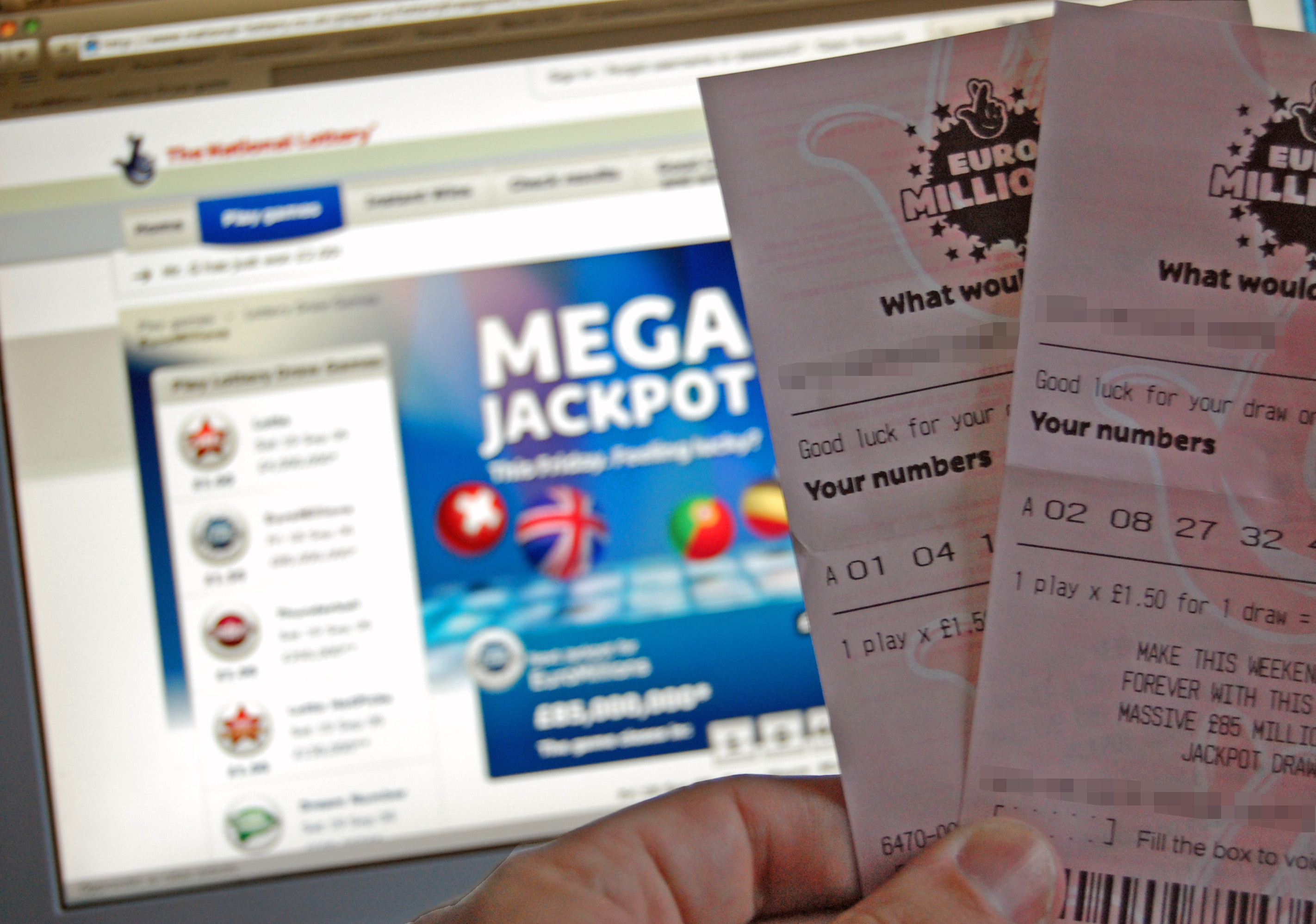
While the state remains strictly anti-gambling, residents have a long-standing and fascinating relationship with a city thousands of miles away. Las Vegas is often affectionately referred to as the “Ninth Island” by locals. Because they cannot gamble at home, many residents fly to Nevada for their vacations, creating a unique cultural bridge between the two locations.
The California Hotel and Casino
In the heart of downtown Las Vegas, there is a specific establishment known as the California Hotel and Casino. Despite its name, this hotel is the unofficial headquarters for travelers from the islands. It serves Hawaiian cuisine, employs staff who understand local customs, and caters specifically to the “Ninth Island” demographic. This outlet allows residents to enjoy the thrill of gaming in a controlled, vacation environment without bringing the social issues associated with it back to their permanent communities.
The Economic Drain Argument
Proponents of a state lottery often use the “Ninth Island” phenomenon as a reason to change the law. They argue that hundreds of millions of dollars leave the local economy every year as residents spend their money in Nevada. They suggest that a local lottery could capture some of this revenue to fund Hawaiian programs. However, the opposition remains unmoved, stating that the occasional trip to a casino is vastly different from having lottery tickets available on every street corner in the islands.
Flourishing Without a Lottery: Enriching the Tourist Experience
For visitors, the lack of a lottery doesn’t mean a lack of excitement. In fact, the absence of gambling dens and lottery ads allows other aspects of the island experience to shine more brightly. Tourism here is built on history, adventure, and the profound beauty of the environment.
Immersive Cultural Exploration
Instead of spending time in a windowless gaming room, tourists are encouraged to visit sites like Iolani Palace, the only royal palace on American soil. This landmark offers a deep dive into the history of the Hawaiian Monarchy. Similarly, a trip to Pearl Harbor provides a somber and educational experience that highlights the role of the islands in world history. These activities offer a level of engagement and reflection that a lottery simply cannot provide.
Nature and Outdoor Adventure
The “luck” one finds in the islands is often found in the form of a perfect sunset or a whale sighting off the coast of Maui. Hiking the trails of Diamond Head or snorkeling in the clear waters of the state’s many marine sanctuaries provides a natural high that is central to the tourism experience. The state’s decision to remain lottery-free ensures that the focus remains on these irreplaceable natural assets rather than on artificial games of chance.
Practical Tips for Navigating Hawaii’s Unique Cultural Landscape
When visiting the islands, it is helpful to understand how local laws and customs might differ from what you are used to. Being a respectful traveler means acknowledging the values that the community has chosen to uphold, including their stance on gaming.
Respecting the Local Pace
Life in the islands often moves at a different speed—what locals call “Island Time.” This slower pace is part of the charm. Without the frenetic energy associated with gambling environments, visitors can truly disconnect. Embrace the lack of “quick-win” distractions and focus on the meaningful interactions you have with local artisans, chefs, and guides.
Finding Alternatives for Fun
If you are someone who enjoys the thrill of a game, look toward local community events. While there is no state lottery, you can find local festivals and school fundraisers that often feature games of skill or traditional Hawaiian contests. Supporting these events is a great way to contribute to the community while enjoying a bit of lighthearted competition.

Understanding the Cost of Paradise
Travelers should be aware that because the state does not have lottery revenue to subsidize its budget, some taxes—particularly those related to tourism, like the Transient Accommodations Tax—may seem high. However, this is part of the trade-off for maintaining a state free of the social complications that gaming can bring. By paying these fees, visitors are directly supporting the preservation of the beaches, parks, and infrastructure that make Hawaii a world-class destination.
In summary, while the question “Does Hawaii have a lottery?” is met with a “no,” the state offers a wealth of other riches. From the historic streets of Honolulu to the quiet cliffs of Kauai, the islands provide an experience that is defined by its natural beauty and cultural integrity rather than by the roll of the dice or the scratch of a card. Embracing this aspect of the local culture is key to enjoying a truly authentic Hawaiian vacation.
LifeOutOfTheBox is a participant in the Amazon Services LLC Associates Program, an affiliate advertising program designed to provide a means for sites to earn advertising fees by advertising and linking to Amazon.com. Amazon, the Amazon logo, AmazonSupply, and the AmazonSupply logo are trademarks of Amazon.com, Inc. or its affiliates. As an Amazon Associate we earn affiliate commissions from qualifying purchases.