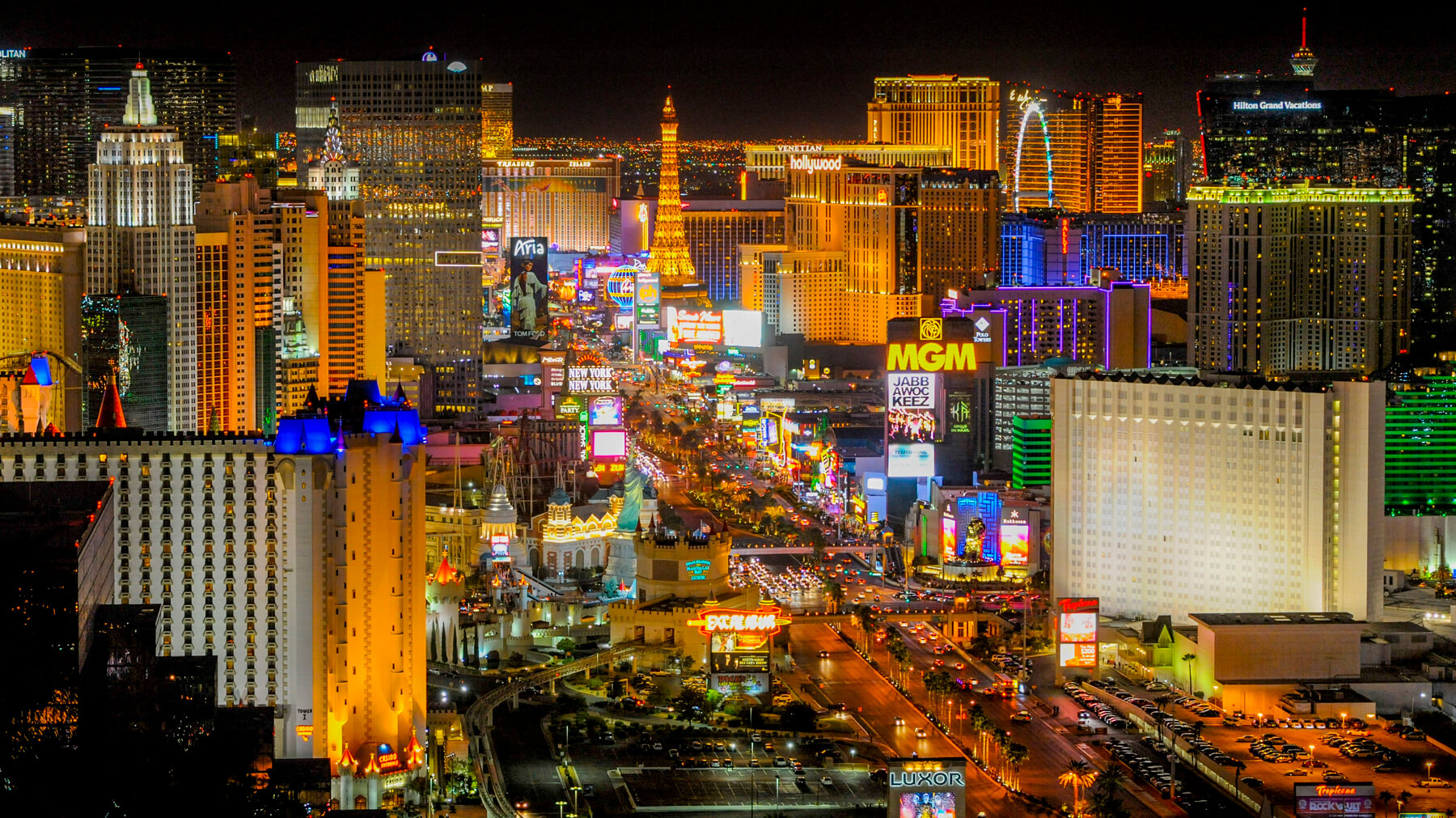
The Las Vegas Strip is arguably the most recognizable stretch of pavement in the world. Stretching approximately 4.2 miles through the heart of Nevada, this iconic corridor serves as the global epicenter for entertainment, gaming, and opulent architecture. While many visitors refer to it simply as “The Strip,” it is technically a designated All-American Road known as Las Vegas Boulevard South. Understanding what this area truly entails requires looking past the neon lights to appreciate its unique geographical and cultural significance within the United States.
The Geographical and Administrative Reality
Despite its association with the city of Las Vegas, the majority of the Strip does not actually lie within the city limits. Instead, it is located in an unincorporated town known as Paradise. This administrative quirk is a byproduct of historical tax structures and municipal planning that allowed the area to develop independently of the urban center.
Defining the Boundaries
Geographically, the Strip begins near the Mandalay Bay resort at the southern end and extends northward to the Stratosphere. While the thoroughfare continues far beyond these points, the “Strip” experience is concentrated within this specific zone. Travelers often find that the density of Clark County infrastructure creates a seamless transition between mega-resorts, yet each property is meticulously designed to function as an isolated world of luxury and activity.
A Gateway to the Desert
The Strip serves as a stark contrast to the surrounding Mojave Desert. Its existence is a testament to human engineering, rising out of the arid landscape to create an oasis of artificial climate, elaborate water features, and vertical infrastructure. Understanding the Strip means acknowledging that it is a planned environment designed specifically to keep visitors occupied, sheltered, and entertained without ever needing to venture into the harsh climate outside.
The Architecture of Excess and Entertainment
The Strip is world-renowned for its architectural mimicry and scale. From the moment the Welcome to Fabulous Las Vegas Sign greets arrivals, it becomes clear that this is a destination built on visual spectacle. The evolution of the Strip’s skyline has transitioned from the classic “Old Vegas” charm of the mid-20th century to the hyper-modern, integrated mega-resorts of the 21st century.
The Era of Themed Resorts
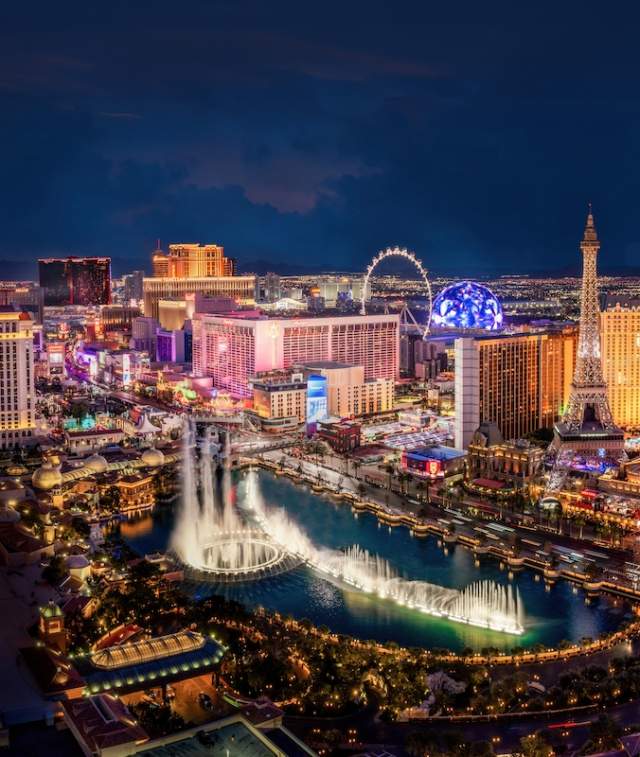
In the 1990s and early 2000s, the Strip underwent a massive transformation defined by immersive themed environments. Properties like The Venetian brought the canals of Italy to the desert, complete with singing gondoliers. Similarly, Paris Las Vegas offers a scaled-down replica of the Eiffel Tower, while the Luxor embraces the mystery of Egypt with its massive pyramid structure. These landmarks aren’t just hotels; they are destination attractions that define the identity of the boulevard.
Modern Luxury and Integrated Complexes
In recent years, the philosophy of Strip development has shifted toward high-end, contemporary luxury. Massive integrated complexes such as CityCenter—which features the Aria Resort and Casino—represent a move toward sleek, sustainable, and sophisticated urban design. These spaces emphasize fine dining, high-end retail, and world-class theatrical productions, moving the definition of the Strip away from purely gaming-focused revenue toward a holistic lifestyle experience.
Navigating the Strip: Experiences and Connectivity
For the uninitiated, the scale of the Strip can be deceptive. While it appears to be a walkable street, the sheer size of the massive resorts means that what looks like a short distance on a map can take an hour to navigate on foot.
Pedestrian Infrastructure
The Strip has been heavily modified to prioritize pedestrian safety and flow, despite the immense volume of vehicular traffic on Interstate 15 nearby. Massive pedestrian bridges, often climate-controlled or equipped with moving walkways, connect the major corners of the largest intersections. These bridges provide a vantage point for tourists to photograph the glowing billboards and the rhythmic movement of the Bellagio Fountains.
The Role of Public Transportation
Because of the sprawl, visitors rely on a variety of transit methods to get from the Caesars Palace area to the southern end of the Strip. The Las Vegas Monorail provides a convenient elevated path behind the resorts on the east side, while ride-sharing services and taxis are the most common mode of point-to-point travel. Understanding the best way to move through these 4.2 miles is essential for any traveler, as the “walking distance” illusion is the most common trap for tourists.
The Cultural Significance of the Boulevard
The Strip is more than just a collection of hotels; it is a cultural touchstone. It has served as the backdrop for countless films, literature, and television programs, solidifying its place in the global consciousness as the ultimate symbol of indulgence.
A Hub for Global Entertainment
Beyond the casinos, the Strip is the premier destination for live performance. From the residencies of international pop stars at the Park MGM to the gravity-defying acrobatics of Cirque du Soleil at various resorts, the sheer volume of entertainment is unmatched. The Strip has essentially become a “living stage” where the architecture and the programming function as a single entity.
Gastronomy and Culinary Excellence
The evolution of the culinary scene on the Strip has mirrored its growth in luxury. What was once defined by inexpensive buffets is now home to an array of Michelin-starred restaurants helmed by world-famous chefs. Whether it is an intimate meal at Wynn Las Vegas or a casual bite near the Flamingo, the dining experiences on the Strip represent a cross-section of global cuisine, further proving that the area is designed to provide everything a visitor could want within a few square miles.
Ultimately, the Strip is an ever-changing organism. It is a place that thrives on reinvention, tearing down the old to make way for the new, ensuring that every visit offers something different. Whether one is there for the gaming, the nightlife, or the sheer spectacle of the architecture, the Strip remains an essential destination that sits at the intersection of fantasy and reality, constantly pushing the boundaries of what is possible in the middle of a desert landscape.