
The Las Vegas Grand Prix represents a paradigm shift in the world of professional motorsport. When Formula 1 descends upon the Las Vegas Strip, the city transforms into a high-octane theater where the boundaries between elite sport and global entertainment dissolve. For spectators and travelers planning their pilgrimage to Nevada, understanding the precise timing of the race weekend is crucial for navigating the logistics of this nocturnal spectacle. Unlike traditional afternoon races held in Europe or Asia, the United States edition operates on a unique schedule designed to synchronize with international television audiences while maximizing the visual impact of the illuminated city skyline.
Navigating the Race Weekend Schedule
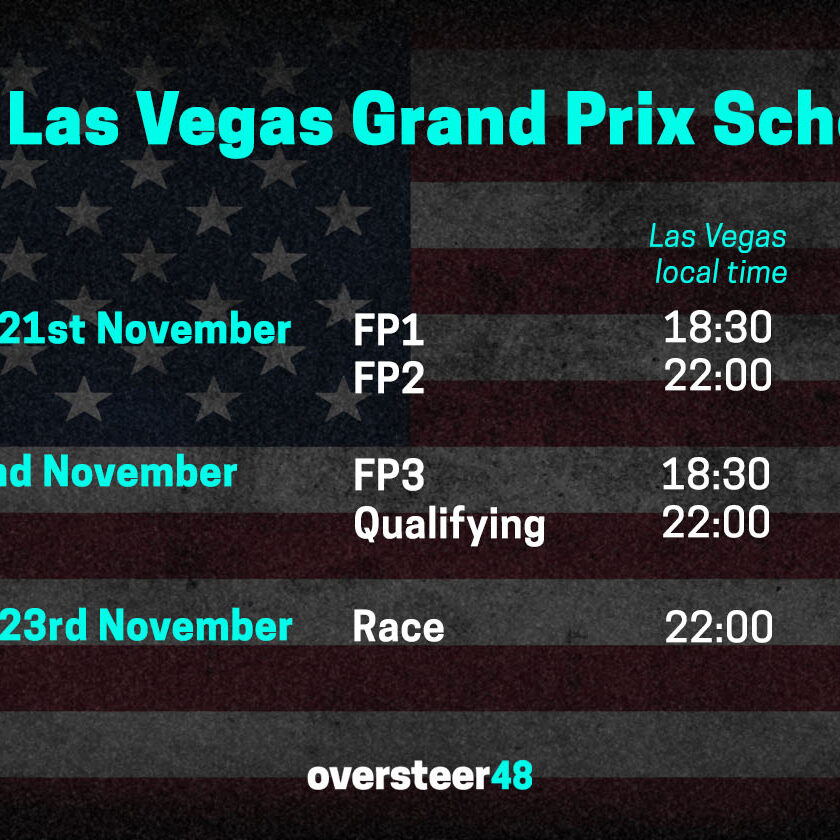
To appreciate the “what time” aspect of the event, one must first understand the deliberate orchestration of the sessions. Because Las Vegas sits in the Pacific Time Zone, the scheduling is calibrated to ensure that while spectators on the ground are enjoying the vibrant late-night atmosphere, the rest of the world can consume the live broadcast during prime viewing hours in their respective regions.
Understanding the Session Flow
The event typically spans three days—Thursday, Friday, and Saturday. Thursday evening serves as the primary initiation, featuring two free practice sessions that allow teams to acclimate to the unique, low-friction surface of the street circuit. Friday transitions into the high-stakes qualifying session, which determines the starting grid. Finally, the main event—the Grand Prix—takes place on Saturday night. This Saturday race format is a notable departure from the traditional Sunday races held at legendary venues like Monaco or Silverstone, offering fans an entire day of post-race celebration to follow.
The Impact of Local Time Zones
For the traveler, the specific start times are usually slated for late evening, often beginning at 10:00 PM local time. This timing is intentional, as it allows the artificial lighting of the iconic Las Vegas Boulevard to serve as the perfect backdrop. As a visitor, you should expect traffic patterns and pedestrian access around major hubs like Caesars Palace or the Bellagio to be heavily restricted during these hours. Planning your movement through the city requires acknowledging that while the race starts late, the excitement—and the associated street closures—begins much earlier in the evening.
Logistics for the International Traveler

Traveling to such a high-profile sporting event requires a strategic approach to time management. When you ask “what time is F1,” you are really asking when you need to be in position, given the significant logistical constraints of a city grid being repurposed for a race track.
Arrival and Transit Windows
The influx of international and domestic visitors into Harry Reid International Airport during race week is immense. To avoid the gridlock caused by the track configuration, it is highly recommended to arrive at your accommodation well before the evening sessions begin. If your hotel is located inside the track circuit, such as the Wynn Las Vegas or the Venetian Resort, you must coordinate with concierge services regarding specific crossing times, as vehicle access becomes restricted during active track sessions.
Managing Jet Lag and Night Racing
One of the most challenging aspects of the Las Vegas Grand Prix for international visitors is the physiological adjustment. The race schedule is essentially an overnight commitment. For those flying in from London or Tokyo, the local time of 10:00 PM for race start might feel like the middle of the night or early morning. It is advisable to adjust your sleep schedule several days prior to arrival. Embracing the “Las Vegas time” means leaning into the 24-hour nature of the city, utilizing the daytime hours for sightseeing at sites like the High Roller or the Fremont Street Experience, and saving your energy for the electrifying atmosphere that takes over after the sun goes down.
Maximizing the Viewing Experience
Watching F1 in Las Vegas is less about the race alone and more about the convergence of culture, speed, and luxury. Knowing the time of the event is the baseline; curating your schedule around it is how you truly experience the grandeur of the weekend.
Pre-Race Festivities and Fan Zones
Many fans make the mistake of waiting until the cars are on track to arrive at their viewing areas. In reality, the pre-race atmosphere is a fundamental part of the experience. Major hospitality zones located near the Sphere or the MGM Grand often host opening ceremonies, driver parades, and musical performances that occur hours before the engines start. By checking the official event schedule, you can time your entry to participate in these ancillary events, which provide a richer context to the sport.
Post-Race Celebrations
Once the checkered flag waves, the city does not sleep. The post-race period is when the hospitality industry really shines. Iconic venues like Omnia Nightclub or various high-end lounges in Resorts World Las Vegas typically host events that run until dawn. If you are timing your travel, ensure you leave room on the Sunday following the race to recover. The sheer density of events during the race weekend means that every hour is accounted for, and a rushed departure on Sunday morning would be a disservice to the unique lifestyle experience that the weekend provides.

Cultural Integration and Local Tips
While the Formula 1 schedule dictates the rhythm of the city, take time to explore beyond the track. The Arts District offers a glimpse into a side of Nevada that exists independently of the neon lights. Balancing the rigid start times of the Grand Prix with the more relaxed pace of local exploration ensures you do not suffer from event burnout. Remember that Las Vegas is a city designed to keep you engaged at all hours, but the race itself is the undisputed heartbeat of the weekend. Aligning your personal schedule with the circuit’s activities will ensure a seamless and high-octane travel experience.
LifeOutOfTheBox is a participant in the Amazon Services LLC Associates Program, an affiliate advertising program designed to provide a means for sites to earn advertising fees by advertising and linking to Amazon.com. Amazon, the Amazon logo, AmazonSupply, and the AmazonSupply logo are trademarks of Amazon.com, Inc. or its affiliates. As an Amazon Associate we earn affiliate commissions from qualifying purchases.