
When guests pull up to the valet at a luxury property like The Ritz-Carlton in New York City or check into a boutique resort in Bali, they often wonder how much the front desk staff actually tracks their comings and goings. Security, privacy, and hospitality are delicate balances that every hotelier must manage. While the days of old-fashioned paper logs are largely behind us, the modern era of hospitality utilizes sophisticated technology and operational protocols to ensure guest safety.
The Reality of Hotel Security Protocols
Modern hotels have shifted from manual monitoring to integrated systems designed to protect the privacy of the guest while maintaining high security standards. For most travelers, the assumption is that the hotel knows exactly who is in the building at all times. However, the reality is more nuanced.
How Front Desk Operations Track Occupancy
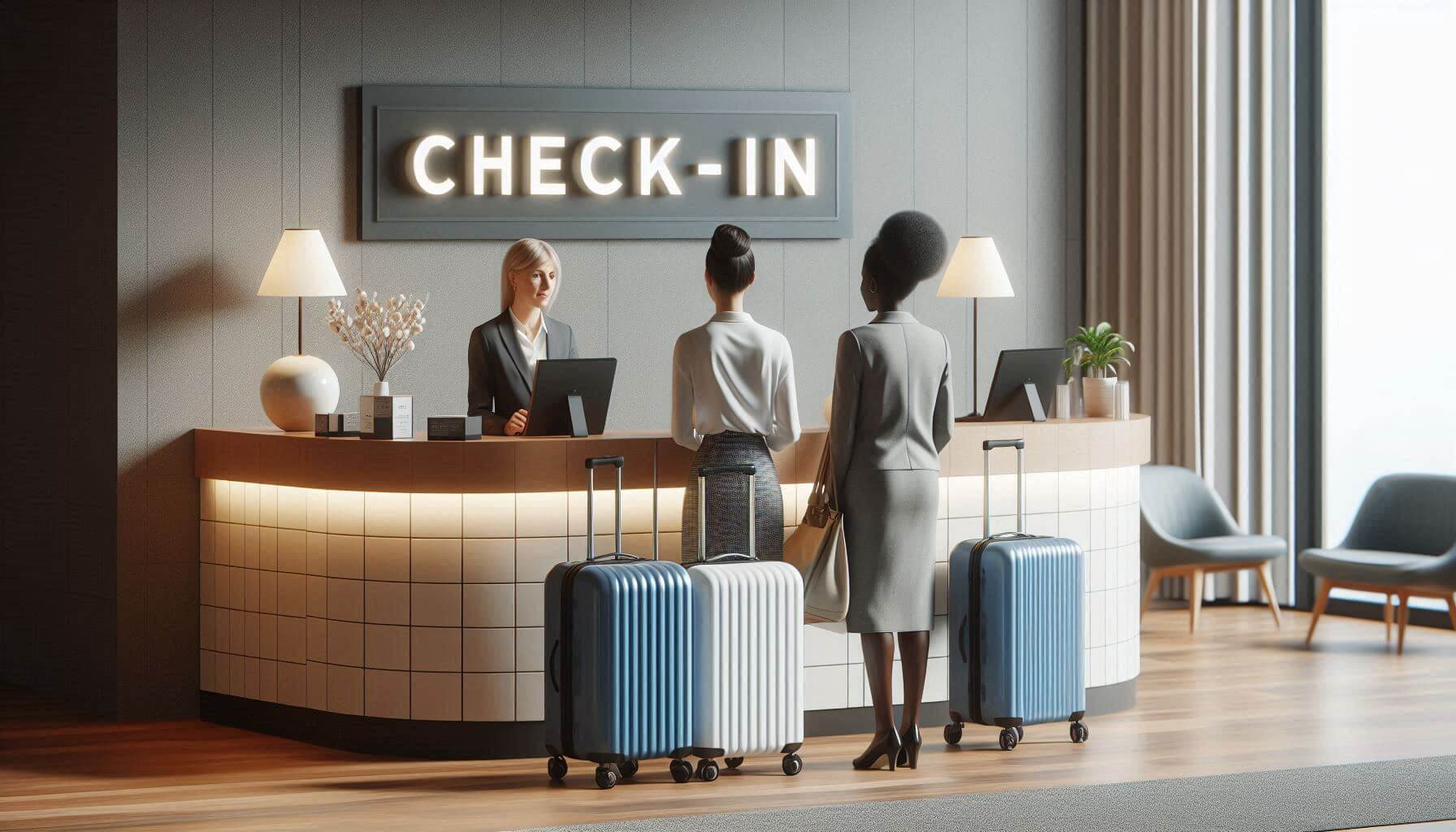
At major hotel chains like Marriott International or Hilton Hotels, the check-in process is the primary point of data collection. When a guest presents their identification, it is scanned and logged into the Property Management System (PMS). This system tracks the number of registered guests assigned to each room. From a legal and liability standpoint, hotels are required to know who is occupying their rooms, especially for fire safety and emergency evacuation purposes.
The Role of Key Card Technology
Digital key cards have revolutionized the way hotels track movement. While it is a myth that a hotel can see a guest’s every move in real-time on a monitor, the backend software does log which key cards were used to access specific rooms or elevators. If a security concern arises, management can review these logs to see a history of entries. In high-security properties like the Burj Al Arab in Dubai, these electronic trails are monitored more aggressively to ensure that only authorized individuals are accessing guest floors.
Privacy vs. Guest Verification
There is a natural tension between maintaining a secure environment and respecting the privacy that travelers pay for. Guests often ask visitors to meet them in the lobby rather than their room, and hotels have specific policies regarding this.
Visitor Policies and Lobby Security
Most standard hotels allow visitors in public spaces like lobbies, bars, and restaurants without questioning them. However, once a visitor attempts to head toward the guest room elevators, they may be stopped. This is particularly common in major urban hubs like London or Paris, where hotels prioritize the security of their floors. If you are expecting a guest, many high-end properties will ask you to verify their presence at the front desk or via a quick phone call to your room before granting them elevator access.
Dealing with Unregistered Guests
Hotels generally have strict policies regarding the number of people per room. This is often an insurance and fire code requirement. If a hotel staff member notices a large group of people heading toward a room that was registered for only one or two guests, they may intervene. This is not necessarily to “spy” on the guest, but rather to ensure the hotel remains compliant with local fire safety ordinances and noise policies. In a property like The Savoy, such interventions are handled with extreme discretion to maintain the luxury experience.

Digital Surveillance and Data Protection
Beyond physical checks at the front desk, the digital footprint of a hotel guest is managed with increasing complexity. Protecting this data is a top priority for global brands.
Surveillance Cameras and Public Areas
Security cameras are ubiquitous in hotel lobbies, parking garages, and corridors. These cameras serve as a deterrent and a tool for post-incident investigation. It is standard practice in international hospitality markets, such as those found in Tokyo or Singapore, to have comprehensive video coverage of all points of entry. While staff do not actively track every individual guest on screen, the footage is kept as a record for a set period, typically ranging from a week to a month, depending on local regulations.
Data Privacy Laws and Information Sharing
Hotels are bound by strict data protection laws, such as GDPR in Europe. This means that they cannot share your information with third parties or outside callers without your explicit consent. Even if someone calls the hotel asking if a specific person is staying there, professional staff members are trained to deny or confirm that information based on strict privacy protocols. You remain anonymous to the outside world unless you instruct the front desk to act otherwise.
Best Practices for Guests Concerned About Security
If you are a traveler who values a high level of security, there are several steps you can take to ensure your safety while staying at a hotel.
Choosing the Right Property
Not all hotels operate with the same level of security. If you are traveling to a region where you feel safety is a concern, opt for established, globally recognized brands. Properties like Four Seasons Hotels and Resorts maintain extremely rigorous security standards, often employing private security teams that oversee the property 24/7.
Managing Your Digital Profile
When you check in, you can request that your stay remains “private” or “unlisted.” This means the front desk will not confirm your presence to anyone who calls or visits the property asking for you by name. This is a common request for high-profile business travelers or public figures staying in cities like Los Angeles.
Understanding Local Laws
Finally, be aware that in some countries, local laws require hotels to provide passenger data to government authorities. This is standard procedure in many parts of the world and is essentially an extension of the check-in process. Always carry your passport or valid identification, as the front desk is often legally required to verify these documents upon your arrival.
Ultimately, the hotel industry is focused on guest experience first. They want you to feel welcome, relaxed, and, most importantly, safe. While they do have systems in place to know who is in the building, these are designed to protect you, not to monitor you. Whether you are staying at the Grand Hyatt Hotel or a quaint bed and breakfast in Italy, the goal is to provide a seamless stay that balances privacy with the necessary oversight required by modern travel standards. By understanding how these systems work, you can travel with peace of mind, knowing that the staff has your best interests at heart.
LifeOutOfTheBox is a participant in the Amazon Services LLC Associates Program, an affiliate advertising program designed to provide a means for sites to earn advertising fees by advertising and linking to Amazon.com. Amazon, the Amazon logo, AmazonSupply, and the AmazonSupply logo are trademarks of Amazon.com, Inc. or its affiliates. As an Amazon Associate we earn affiliate commissions from qualifying purchases.