
Planning a trip to the neon-soaked desert of Las Vegas requires more than just picking out the right outfits or booking the best Caesars Palace suite. Because the city is situated in the heart of the Mojave Desert, understanding the rhythm of the thermometer is essential for a comfortable experience. If you are wondering when the mercury hits its peak, the short answer is July and August, but the nuances of the climate in Nevada are far more complex than simple calendar months.
Understanding the Peak Heat of Summer
The desert heat is defined by its intensity and persistence. While many regions experience a “cool down” after sunset, the desert floor in this iconic United States destination retains heat long into the night.
The Scorching Months of July and August
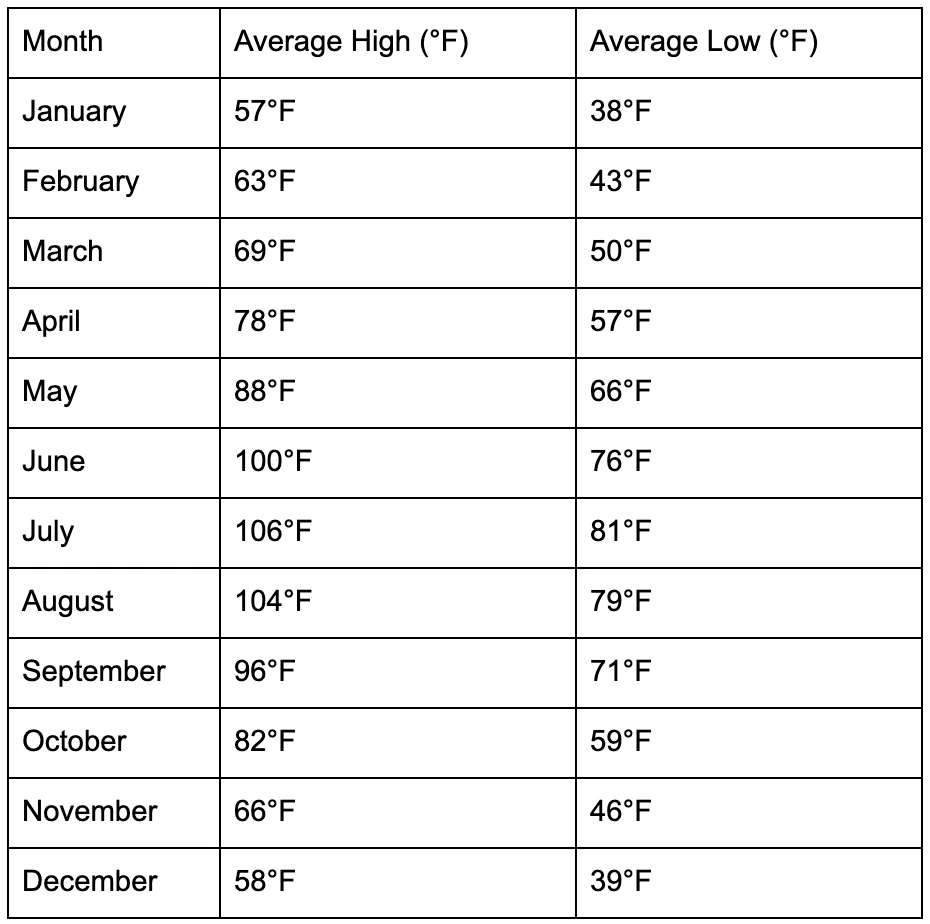
July and August are undeniably the hottest months in Las Vegas. During this period, high temperatures frequently climb well above 105°F (40°C), with record highs occasionally pushing toward 115°F or higher.
The heat is dry—a stark contrast to the humidity found in coastal regions—which can be deceptive. While the sweat evaporates quickly, the danger of rapid dehydration and heat exhaustion is significantly higher. Visitors walking the Las Vegas Strip often underestimate how quickly their bodies lose fluids. It is during these months that the city shifts into a “resort-centric” lifestyle, where the indoor climate control of massive properties like The Venetian or MGM Grand becomes the primary sanctuary.
Diurnal Temperature Swings
One of the most fascinating aspects of desert weather is the temperature swing between day and night. While the daytime high might be an blistering 110°F, the overnight lows can settle into the 80s. However, because the concrete and asphalt of the city absorb heat throughout the day, the “urban heat island” effect keeps Las Vegas feeling warm even at 3:00 AM. If you are planning an outdoor walk to view the Fountains of Bellagio, even late at night, the air will still carry the lingering warmth of the afternoon.
Seasonal Shifts and Thermal Comfort
To truly master the timing of your visit, it helps to look at the shoulder seasons. While summer is the time for pool parties at Encore Beach Club, the rest of the year offers a different perspective on the Nevada landscape.

Transitioning into Fall
By late September and October, the extreme heat begins to wane. This is widely considered the best time for those who want to explore beyond the casino floors. The transition from the punishing heat of August to the moderate temperatures of October makes it ideal for day trips to natural landmarks like Red Rock Canyon or even a drive out to Hoover Dam. During this time, the city remains vibrant, but the physical burden of the heat is significantly lifted.
The Winter and Spring Paradox
Winter in Las Vegas brings clear, crisp days and cold, often freezing nights. While the sun remains bright, the temperatures are a far cry from the summer peak. If you prefer to avoid the heat entirely, December and January provide a serene experience. However, the true sweet spot for most travelers is the spring, specifically April and early May. During these months, the desert blooms, and the temperature typically fluctuates between a comfortable 70°F and 85°F, perfect for walking tours or visiting the High Roller Observation Wheel.
Strategies for Dealing with the Heat
Regardless of when you visit, if you find yourself in Las Vegas during the warmer months, preparation is key. The city is designed to keep you comfortable, provided you know how to navigate its climate.
Staying Hydrated and Protected
The standard advice for desert travel—drink more water than you think you need—is not an exaggeration. The dry air causes rapid perspiration, often without you noticing it. It is recommended to carry a refillable bottle and maintain your electrolyte levels. Furthermore, the Nevada sun is unforgiving. High-SPF sunscreen and wide-brimmed hats are essential if you plan on spending time at The Pool at Flamingo or other outdoor amenities.
Leveraging the Indoor Ecosystem
The beauty of Las Vegas is that the major resorts are interconnected cities in their own right. You can traverse large sections of the city via climate-controlled walkways, trams, and interior corridors. If you are staying at a property like Wynn Las Vegas, you can enjoy world-class shopping, dining, and entertainment without ever having to step out into the heat of the afternoon sun.
Planning Outdoor Activities Wisely
If you are determined to see the natural wonders surrounding the city, schedule your activities for the early morning hours. Most guided tours to Valley of Fire State Park depart before sunrise to ensure guests are off the trail before the heat reaches its zenith. By mid-day, you should be back in the hotel air conditioning, enjoying a meal or a spa session.
Why the Heat Defines the Experience
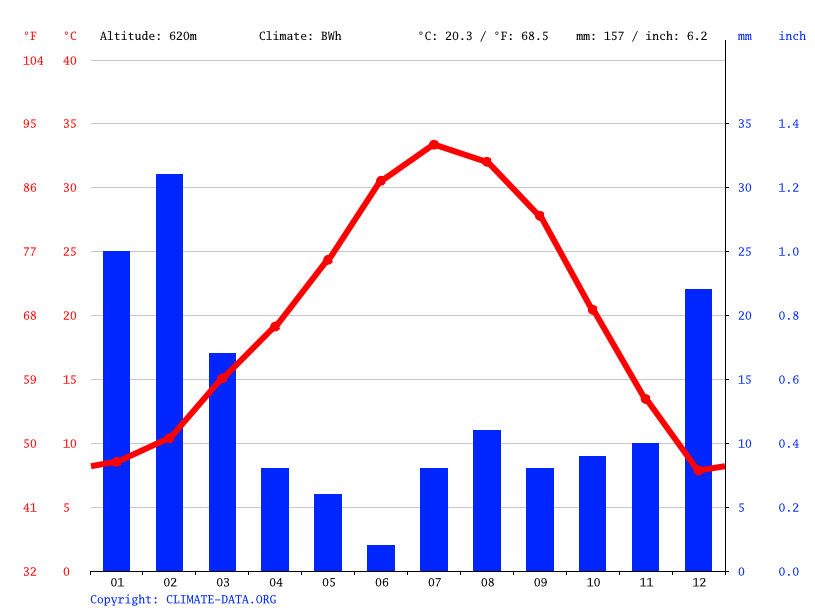
It is impossible to separate the identity of Las Vegas from its climate. The heat is a character in the story of the city. It is the reason why the pools are so elaborate, why the nightlife thrives, and why the indoor architecture is so grand.
For many, the heat is actually part of the appeal. There is a specific luxury associated with stepping out of a temperature-controlled lobby into the warm, dry air of a desert evening, cocktail in hand, overlooking the lights of The Strip. Whether you are visiting for the pool parties in July, the conventions in November, or the spring break crowds in April, understanding the temperature patterns allows you to curate your perfect itinerary.
By keeping an eye on the forecast and respecting the power of the Mojave Desert, you ensure that your visit to Nevada is not just memorable for the excitement of the games or the shows, but also for the seamless comfort of your experience. Whether it is the hottest day of the year or a crisp winter morning, the city always finds a way to adapt, welcoming millions of visitors each year to its unique, sun-drenched oasis in the desert.
LifeOutOfTheBox is a participant in the Amazon Services LLC Associates Program, an affiliate advertising program designed to provide a means for sites to earn advertising fees by advertising and linking to Amazon.com. Amazon, the Amazon logo, AmazonSupply, and the AmazonSupply logo are trademarks of Amazon.com, Inc. or its affiliates. As an Amazon Associate we earn affiliate commissions from qualifying purchases.