
When planning a visit to the “Sooner State,” understanding the climate is as vital as mapping out your itinerary. Oklahoma is a land of dramatic meteorological contrasts, where the air can shift from crisp, biting winds in the winter to the humid, sun-drenched heat of mid-summer. For travelers, knowing what to expect from the mercury is essential for packing the right gear and selecting the best time to explore the vast prairies, rolling hills, and vibrant urban centers of this unique United States destination.
Understanding the Seasonal Rhythms of the Plains
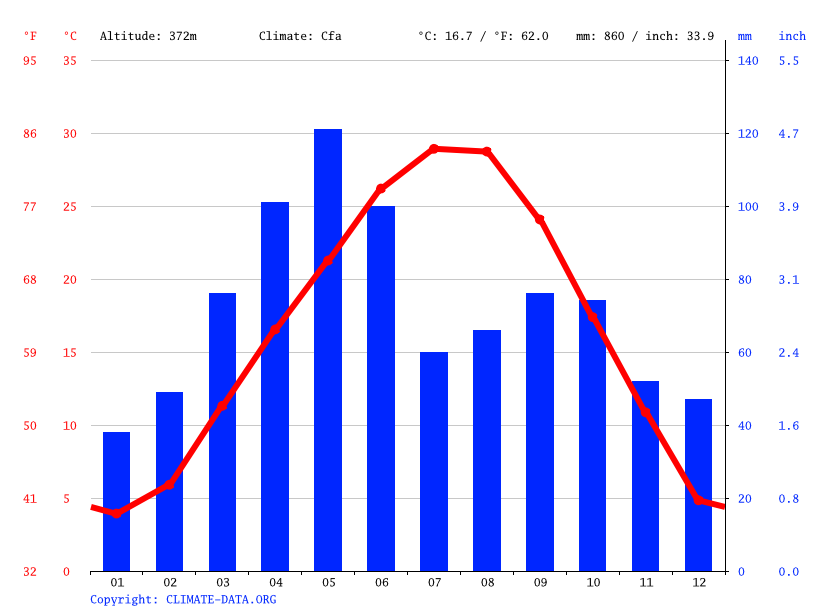
The climate in Oklahoma is primarily humid subtropical, but its position in the Great Plains creates a dynamic environment that frequently surprises visitors. Whether you are trekking through the Wichita Mountains Wildlife Refuge or strolling the streets of Oklahoma City, the temperature serves as the backdrop to your adventure.
Springtime Transitions and Storm Chasing
Spring in Oklahoma is a season of rapid transformation. As the winter chill retreats, the state experiences a dramatic blooming period. From March through May, temperatures typically climb from the 50s into the 70s and 80s Fahrenheit. However, this is also the height of storm season. For travelers, this means packing layers: light jackets for the brisk mornings and breathable, moisture-wicking clothing for the warmer afternoons. It is a thrilling time to visit for those interested in the raw power of nature, but it requires a flexible travel mindset and an awareness of local weather alerts.
The Intensity of Summer Heat
By the time June arrives, Oklahoma settles into a deep, sustained warmth. Summer temperatures frequently soar above 90 degrees Fahrenheit, occasionally pushing into the triple digits. This is the time to prioritize hydration and sun protection. In Tulsa, the urban heat island effect can make city exploration feel quite intense during the mid-afternoon. Travelers often find relief by visiting local water attractions or scheduling outdoor activities like visiting the Philbrook Museum of Art for the cooler morning or evening hours.
Best Times to Visit for Optimal Comfort
Selecting the right window for your trip can drastically change your experience of the landscape. While the state is welcoming year-round, certain months provide a more temperate backdrop for outdoor exploration.

The Golden Window: Autumnal Bliss
Many seasoned travelers consider autumn to be the jewel of the Oklahoma calendar. As the extreme heat of summer fades, the state experiences a “second spring.” From late September through early November, daytime temperatures hover in the comfortable 60s and 70s, making it the perfect time for hiking in Beavers Bend State Park. The foliage in the eastern part of the state provides a stunning visual reward for those who choose to visit during this temperate window.
Winter Wonders and Indoor Escapes
Winter in Oklahoma is rarely punishingly cold for extended periods, but the “wind chill” factor is real. Temperatures generally fluctuate between the 30s and 50s. While snow is possible, it is often fleeting, creating a magical dusting over the Chickasaw National Recreation Area before melting away. Winter is the ideal time to delve into the rich cultural history of the region. Visiting the National Cowboy and Western Heritage Museum allows travelers to immerse themselves in American history while escaping the occasional blustery afternoon.
Planning for Regional Variations
It is a common misconception that the climate is uniform across the entire state. In reality, Oklahoma features distinct geographic zones that influence local temperatures and weather patterns significantly.
The Lush East vs. The High Plains West
The eastern portion of the state, including regions near Broken Bow, is characterized by higher humidity and denser forests. This humidity can make the summer heat feel slightly more stifling and the winter air feel more penetrating. Conversely, as you head west toward Guymon and the Oklahoma Panhandle, the landscape shifts into high plains. Here, the air is much drier, and temperature swings between day and night are often more extreme. If you are planning a cross-state road trip, you must be prepared for a shifting climate as the terrain changes from dense woods to arid grasslands.
Strategic Packing for the Oklahoma Traveler
Regardless of the season, the key to enjoying Oklahoma is preparation. Because the weather can change within a single afternoon, the “layering” strategy is non-negotiable.
- Base Layers: Moisture-wicking fabrics are essential, especially during the humid summer months.
- Outer Shells: A versatile, wind-resistant jacket is vital for the breezy spring and winter months.
- Footwear: Sturdy, waterproof hiking boots are recommended for those venturing into Roman Nose State Park or other natural areas where terrain can vary.
- Sun Protection: Even on overcast days, the sun in the Great Plains can be strong. High-SPF sunscreen and polarized sunglasses should be staples in your travel kit.

Embracing the Elements of the Sooner State
Ultimately, the temperature in Oklahoma is part of what gives the state its resilient, independent spirit. Whether you are catching the golden hour light hitting the Tallgrass Prairie Preserve or enjoying the vibrant nightlife in Bricktown, the climate dictates the rhythm of life.
By keeping a close eye on the forecast and respecting the natural tendencies of the regional weather, you can ensure that your trip is defined by exploration rather than inconvenience. From the sweltering heat that fuels the summer harvest to the crisp, clear skies of a winter afternoon, Oklahoma offers a spectrum of experiences for the mindful traveler. Embrace the fluctuations, pack accordingly, and you will find that the weather becomes not a hurdle, but a fundamental part of the unique Oklahoma story. Whether you are traveling for the history, the nature, or the culture, knowing the temperature is the first step toward a seamless and rewarding journey through this heartland gem.
LifeOutOfTheBox is a participant in the Amazon Services LLC Associates Program, an affiliate advertising program designed to provide a means for sites to earn advertising fees by advertising and linking to Amazon.com. Amazon, the Amazon logo, AmazonSupply, and the AmazonSupply logo are trademarks of Amazon.com, Inc. or its affiliates. As an Amazon Associate we earn affiliate commissions from qualifying purchases.