
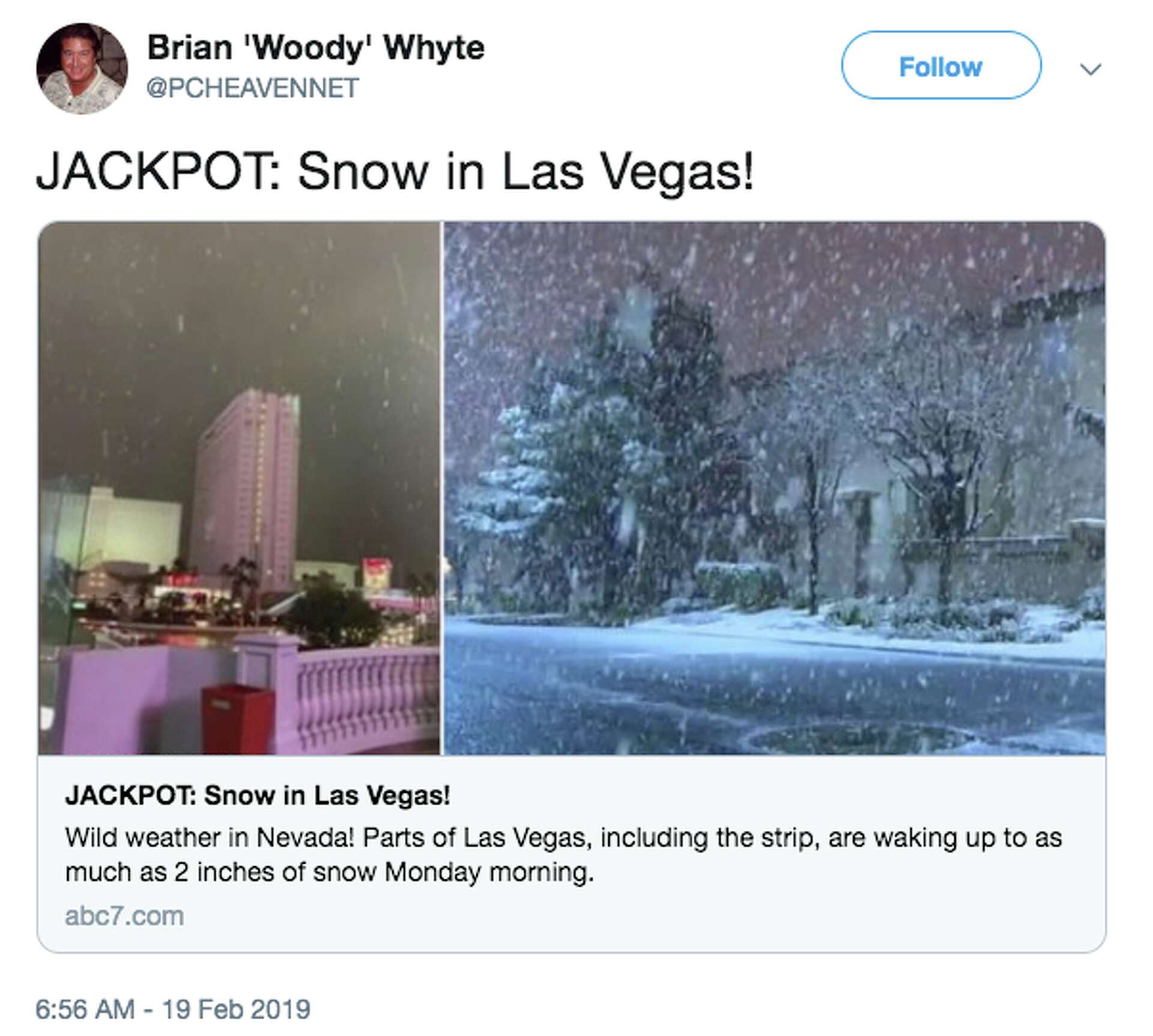
The image of Las Vegas is almost universally associated with blistering desert heat, neon-lit nights, and sun-drenched pool parties. Located in the heart of the Mojave Desert, the city is defined by its arid climate, where precipitation of any kind is often considered a rare spectacle. However, those who believe the valley is immune to the whims of winter are often surprised to learn that snow has visited the Entertainment Capital of the World more frequently than the brochures might suggest. While sustained winter weather is virtually non-existent, the sight of a dusting of white against the backdrop of the Las Vegas Strip creates a surreal, photographic moment that residents and tourists alike cherish for years.

Tracking the Frozen History of the Valley
For many, the defining question of winter in the desert is exactly when the last significant snowfall occurred. To understand the climate patterns of Nevada, one must look at the data provided by the National Weather Service, which has tracked these rare events with precision.
The Most Recent Significant Events
The most recent notable, though light, accumulation of snow occurred in late February 2023. During this time, residents across the Las Vegas Valley witnessed flurries that briefly coated cars and desert landscaping in a light layer of slush. While it did not trigger the kind of city-wide paralysis seen in northern climates, it provided enough of a dusting to warrant viral social media posts and a brief pause in the usual hustle of the city.
Before this, the city experienced a much more substantial event in December 2008. On that occasion, the storm was strong enough to produce measurable accumulation across the valley, resulting in airport delays at Harry Reid International Airport and closing down portions of the Interstate 15 corridor. For many locals, the 2008 storm remains the “gold standard” for Las Vegas snow, as it was deep enough to build snowmen and create significant traffic disruptions.
Understanding the “Rare Snow” Phenomenon
Snow in Las Vegas is typically the result of cold air fronts sweeping down from the Pacific Northwest or Canada, meeting the moisture-rich air of the Southwest. Because the valley sits at an elevation of approximately 2,000 feet, it is just low enough that air temperatures often remain above freezing, even when the surrounding mountain ranges are buried in deep drifts. It is a delicate atmospheric balancing act; if the temperature drops just a few degrees too low or the storm path shifts slightly, the city receives either heavy rain or, more often than not, nothing at all.
The Impact on Local Tourism and Landmarks

When the flakes do begin to fall, the impact on the local tourism industry is immediate and transformative. A city built for sun and heat suddenly finds itself adapting to a reality it was never designed to navigate.
Photographing the Strip in Winter
For photographers and travel enthusiasts, snow in Las Vegas is a once-in-a-decade opportunity. Seeing the iconic Welcome to Fabulous Las Vegas Sign dusted in white is a bucket-list experience for many. Landmarks like the High Roller Observation Wheel or the Fountains of Bellagio take on a melancholic, majestic quality when framed by gray, wintry skies. During these rare hours, the bustling energy of the casinos feels hushed, replaced by the hushed wonder of a desert city experiencing the quiet chill of winter.
Infrastructure and Safety Precautions
Because snow is so uncommon in Nevada, the city does not maintain a large fleet of snowplows or salt trucks. When significant snowfall occurs, the primary concern is not the depth of the snow, but the icing on elevated roads and highways. Local authorities typically issue warnings to avoid travel, as drivers in the region are generally unaccustomed to navigating slippery surfaces. However, for those staying at major resorts like the Caesars Palace or the MGM Grand, a snow day is often treated as a novelty, with resorts keeping their internal activities fully operational despite the weather outside.
Where to Find Real Snow Near the City
If a visitor to Las Vegas is specifically looking for a wintry experience, they do not need to rely on the rare, unpredictable snowfall in the city basin. Instead, they can travel to the surrounding peaks, which reliably transform into winter wonderlands each year.
Mount Charleston: The High-Altitude Alternative
Located less than an hour from the Las Vegas Strip, Mount Charleston acts as the regional escape for snow lovers. As part of the Spring Mountains, this region sits at a much higher elevation and receives significant snowfall throughout the winter months. It is home to the Lee Canyon ski area, providing residents and tourists with genuine skiing, snowboarding, and tubing experiences. While the valley floor is warm and dry, the alpine environment of Mount Charleston offers a stark, cold contrast, proving that winter is always just a short drive away from the neon lights.
The Contrast of the Mojave Desert
The duality of the Mojave Desert is what makes traveling to this region so unique. On a cold February day, one could theoretically spend the morning skiing at Lee Canyon and the afternoon sitting by the pool at a luxury resort on the Las Vegas Strip, enjoying the mild desert sun. This extreme geographical diversity is the primary reason why tourists are drawn to Nevada during the winter months—the ability to choose one’s climate with a short drive is an amenity few other major tourist destinations can offer.
Final Reflections on Desert Winters
Ultimately, the snow in Las Vegas serves as a reminder of nature’s unpredictability. Whether it is a fleeting flurry that lasts for ten minutes or a multi-inch accumulation that makes national news, these events add a layer of depth to the city’s identity. The desert is not just a place of endless heat; it is a complex landscape capable of sudden, beautiful changes. For the lucky traveler who happens to be in town when the white flakes begin to fall, it is an opportunity to see the world-famous skyline in a way that most will never witness in person—quiet, cold, and unexpectedly serene. As the city continues to grow, it remains at the mercy of the weather, always holding the door open for the next surprise cold front from the north.
LifeOutOfTheBox is a participant in the Amazon Services LLC Associates Program, an affiliate advertising program designed to provide a means for sites to earn advertising fees by advertising and linking to Amazon.com. Amazon, the Amazon logo, AmazonSupply, and the AmazonSupply logo are trademarks of Amazon.com, Inc. or its affiliates. As an Amazon Associate we earn affiliate commissions from qualifying purchases.