
The Western Meadowlark: A Symbol of the Prairie
When exploring the vast, golden expanses of the American Midwest, few things capture the spirit of the region quite like its native wildlife. For travelers traversing the American heartland, discovering regional symbols adds a layer of depth to the journey. Among these, avian emblems hold a special place of honor, representing the natural heritage and ecological beauty of their respective regions. If you find yourself journeying through the Sunflower State, you might wonder about the identity of the state’s winged representative. The answer is the striking and melodious Western Meadowlark.

Officially designated as the state bird in 1937, the Western Meadowlark holds a revered position among residents and nature enthusiasts alike. This distinction was not merely a random choice; it was the result of a popular vote by schoolchildren across Kansas, who overwhelmingly favored its cheerful disposition and iconic presence on the open plains. From the rolling hills of the Flint Hills to the sweeping agricultural fields near Wichita and Topeka, this bird is deeply woven into the cultural and natural fabric of the area.
Recognizing the Avian Emblem
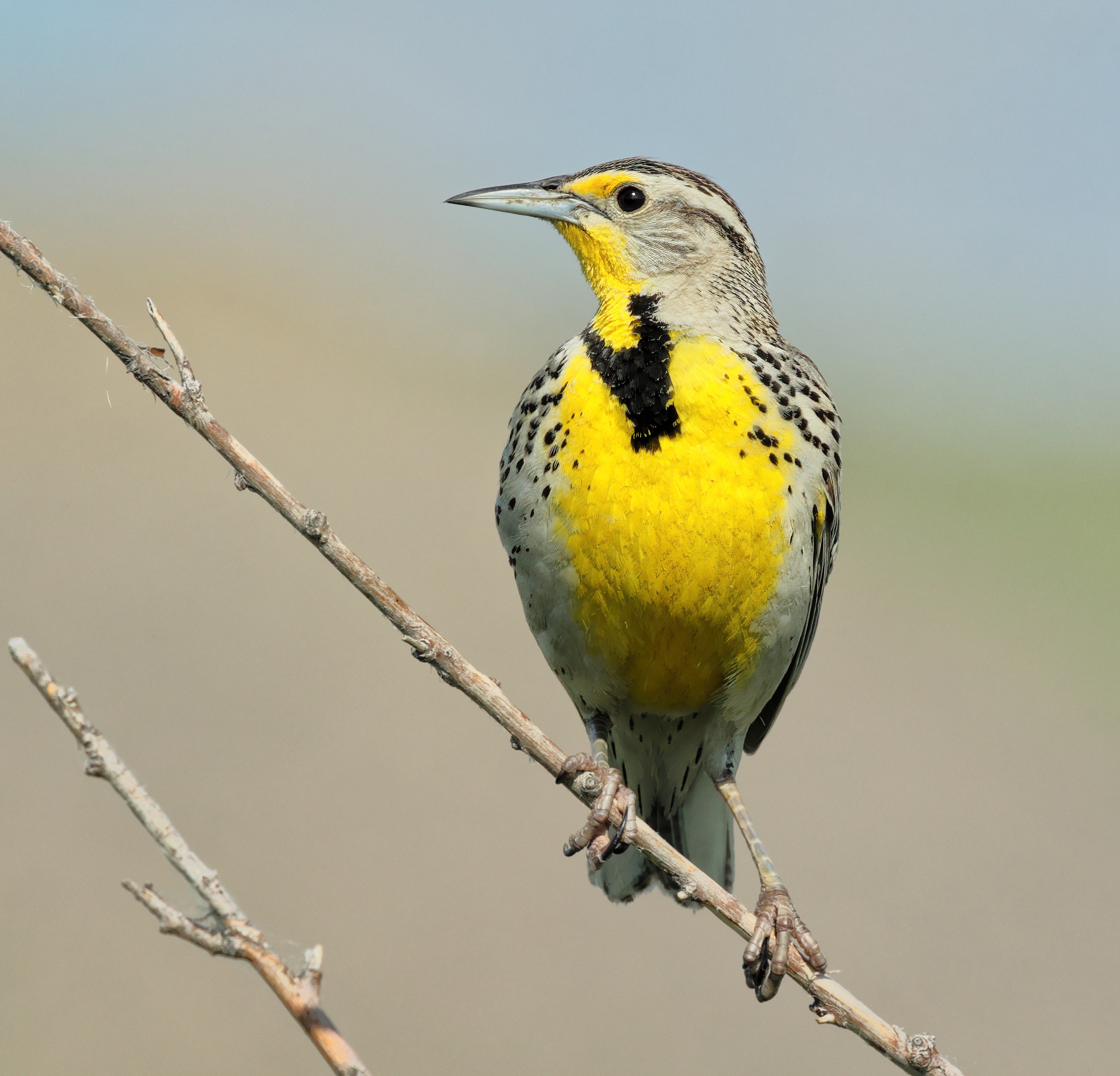
Identifying the Western Meadowlark in the wild is an unforgettable experience for birdwatchers and casual observers. While it is similar in size to a robin, measuring between eight and eleven inches in length, its coloration is distinct and vibrant.
- Plumage: The bird boasts a brilliant, bright yellow breast that immediately draws the eye against the muted tones of the prairie grass.
- The V-Neck: A bold, jet-black “V” shape is prominently stamped across its yellow chest, serving as its most reliable field mark.
- Back and Wings: Its upperparts are a mottled blend of brown, buff, and white, providing exceptional camouflage when foraging on the ground.
This clever coloration allows the bird to blend seamlessly into the native grasses found throughout regional protected areas such as the Tallgrass Prairie National Preserve. Whether you are hiking the trails or driving along rural byways, spotting a flash of yellow against the green and brown landscape is a quintessential highlight of any outdoor excursion in the region.
Habitat, Behavior, and Ecology
Understanding the ecological role of the Western Meadowlark requires looking closely at its preferred environments. Unlike forest-dwelling species, this bird is a quintessential creature of open country, thriving in expansive grasslands, pastures, meadows, and agricultural fields.
Where to Find Them
For travelers interested in wildlife photography and observation, knowing where to look is crucial. The bird relies heavily on undisturbed grasslands for nesting and foraging. Prime locations to observe these creatures in their natural habitat include:
- Native Pastures: Areas featuring diverse native grasses offer abundant food sources and secure nesting sites.
- Roadside Fencerows: It is common to spot a meadowlark perched atop a wooden fencepost or utility wire, surveying its territory.
- Agricultural Borders: Fallow fields and the edges of crop lands often attract foraging adults searching for insects.
Visitors exploring natural landmarks such as Monument Rocks or the scenic vistas near Lawrence frequently encounter them singing from prominent vantage points. Their preference for open vistas makes them remarkably easy to spot for anyone keeping a watchful eye on the landscape.
Diet and Foraging Habits
The Western Meadowlark is an omnivore with a diet that shifts seasonally based on availability. During the spring and summer months, their diet consists primarily of insects, including beetles, grasshoppers, caterpillars, and ants. By consuming these agricultural pests, the species provides a valuable service to local farmers and ranchers. In the autumn and winter, when insects become scarce, they transition to consuming weed seeds, waste grain, and wild berries found scattered across the fields.
The Song That Defines the Prairie
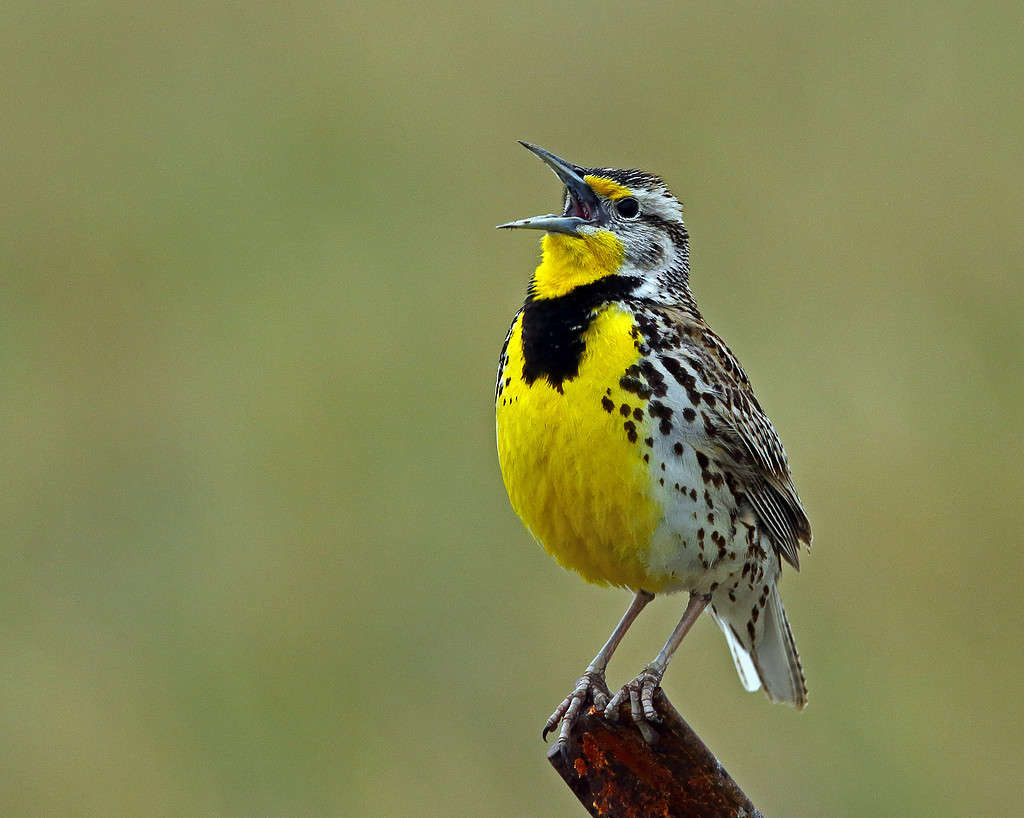
Beyond its striking visual appearance, the Western Meadowlark is globally celebrated for its extraordinarily rich, flute-like song. For travelers driving along the quiet highways of the Midwest, the liquid, bubbling melody serves as the definitive soundtrack of the prairie.
Acoustic Brilliance
The song of the Western Meadowlark is entirely unique. It typically begins with a series of clear, descending, gurgling notes and concludes with a rich, bubbling trill. This complex vocalization carries great distances across the flat landscape, often cutting through the gentle wind that constantly sweeps across the plains.
- Territorial Calls: Males use their powerful songs to establish breeding territories and attract mates, often singing from high perches like fence posts, shrubs, or telegraph poles.
- Auditory Experience: Hearing this song at sunrise while visiting historic sites like Fort Larned National Historic Site or the sweeping plains near Dodge City connects modern visitors directly to the historic frontier experience felt by early pioneers.
It is this enchanting vocal ability, combined with its striking yellow breast, that initially captured the hearts of early settlers and continues to enchant travelers today.
Conservation and Cultural Significance
While the Western Meadowlark remains a widespread and familiar sight across much of western North America, populations have faced gradual declines over recent decades. These declines are primarily driven by habitat loss, the conversion of native grasslands to intensive agriculture, and the fragmentation of open spaces.
Protecting the Prairie Heritage
Conservation organizations and local wildlife agencies work diligently to preserve the remaining native prairies that these birds call home. Initiatives focusing on sustainable grazing practices, the restoration of tallgrass prairies, and the protection of migratory stopovers are vital for ensuring that future generations can continue to enjoy the sight and sound of the state bird.
When planning a trip to experience the authentic culture and natural wonders of the region—whether visiting urban hubs like Overland Park or exploring the quiet countryside—taking time to appreciate the local wildlife adds profound meaning to the journey. The Western Meadowlark is more than just a biological organism; it is a resilient symbol of the American frontier, embodying the vast horizons, natural beauty, and enduring spirit of the open plains.
LifeOutOfTheBox is a participant in the Amazon Services LLC Associates Program, an affiliate advertising program designed to provide a means for sites to earn advertising fees by advertising and linking to Amazon.com. Amazon, the Amazon logo, AmazonSupply, and the AmazonSupply logo are trademarks of Amazon.com, Inc. or its affiliates. As an Amazon Associate we earn affiliate commissions from qualifying purchases.