
The tragic events of October 1, 2017, remain etched in the collective memory of Las Vegas, permanently altering the landscape of the world’s most iconic hospitality hub. While the narrative of that night focused on the horrific actions taken, it also inadvertently cast a global spotlight on the specific structural and operational design of the Mandalay Bay resort. Understanding where the shooter was positioned requires an examination of the architectural layout of this massive destination and how the hotel industry evaluates security and guest privacy in the heart of Nevada.
The Vantage Point: A Strategic Suite Selection
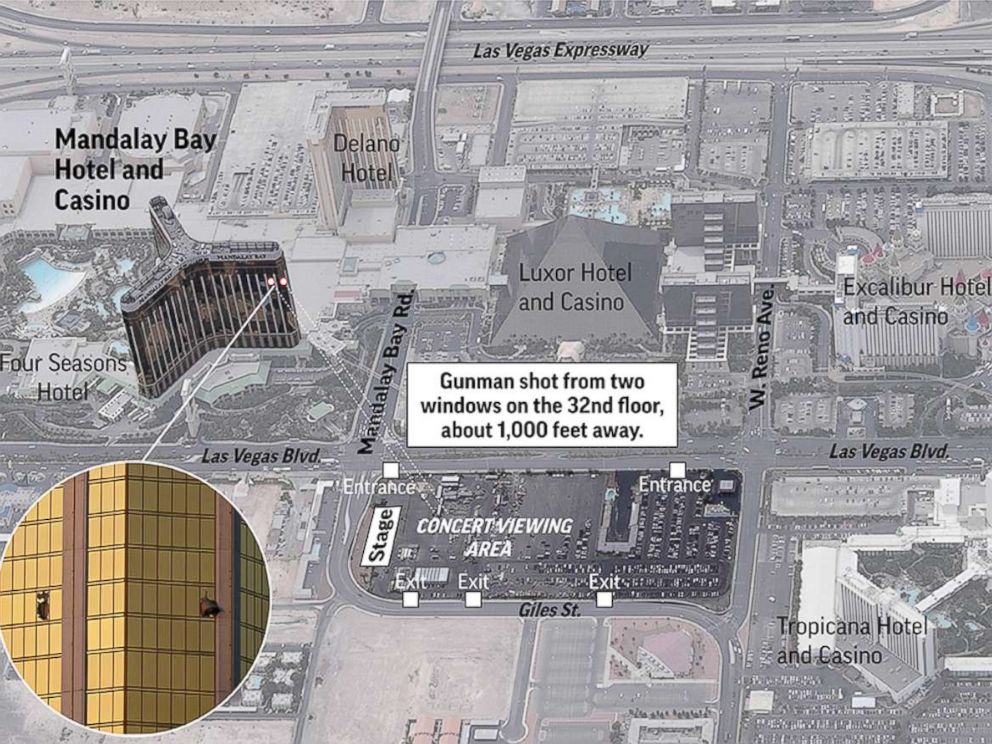
The perpetrator occupied a high-floor suite within the Mandalay Bay Resort and Casino, specifically targeting a room on the 32nd floor. This floor was chosen not only for its elevation but for its specific orientation, which provided an unobstructed, panoramic line of sight across the Las Vegas Strip.

The Architecture of the Mandalay Bay
The hotel is constructed in a distinct “Y” shape, a design choice common in many large-scale resorts in the United States. This geometry allows for a higher number of exterior-facing rooms, maximizing the views for guests. However, from a security planning perspective, this also creates long, linear corridors that are difficult to monitor in their entirety. The suite in question was positioned at the terminus of a hallway, granting the occupant control over both the main entrance and a secondary service access point, a feature that allowed for the stockpiling of weaponry and supplies without triggering immediate alarm from housekeeping staff.
Room Configuration and Visibility
The specific suite was a multi-room setup, common in luxury accommodations designed for high-rollers or convention attendees. These rooms are prized for their expansive windows—often floor-to-ceiling—which offer the aesthetic appeal Las Vegas tourists crave. In this instance, the massive glass surfaces, meant to provide a vista of the Route 91 Harvest Festival, became the primary point of egress for the projectiles. The height of the 32nd floor provided a gravitational and visual advantage that few other locations in the city could offer.
The Evolution of Hotel Security Protocols
Before 2017, the culture of Las Vegas hotels was defined by accessibility and the “guest is king” philosophy. Security was largely focused on protecting the assets of the MGM Resorts International properties and preventing theft, rather than monitoring the private activities of guests within their own rooms.

Privacy vs. Proactive Monitoring
The industry standard prior to this event centered on the concept of “do not disturb” and guest privacy. Guests in luxury suites expected absolute discretion. The shooter exploited this culture, knowing that the staff would prioritize guest privacy over investigative curiosity. Since the tragedy, major hospitality groups have had to pivot, implementing new policies that allow staff to conduct mandatory welfare checks if a room has been left undisturbed for a specific duration—typically 24 to 48 hours.
Enhanced Surveillance and Technology
Modern luxury resorts have since integrated sophisticated behavioral analytics and enhanced security hardware. While the hotel environment must remain welcoming, invisible security measures—such as improved elevator access controls, higher-resolution hallway cameras, and thermal imaging at entry points—have become standard. The focus is no longer just on what is entering the hotel, but on identifying suspicious patterns of activity that may indicate an intent to bypass standard hotel operations.
The Impact on Las Vegas Tourism and Hospitality
The location of the shooting has become a place of somber reflection for the millions who visit Nevada each year. The Mandalay Bay has faced the arduous task of balancing its reputation as a premier destination with the reality of its history.
Changes to Building Design
Architecture in the Las Vegas hospitality sector is currently undergoing a shift. New resorts and renovations of older properties, such as those overseen by Caesars Entertainment, now prioritize “hardened” infrastructure. This includes reinforced entry points, restricted access to upper-floor landings, and building layouts that incorporate “choke points” where security can easily manage the flow of traffic. The era of open-access luxury is being replaced by a model that prioritizes safety without stripping away the opulence that defines the city.
The Guest Experience Post-2017
For the average traveler, these changes manifest in subtle ways. Guests might notice more visible security personnel near the Casino floors, or perhaps more rigorous check-in procedures for those carrying large amounts of luggage. Despite these adjustments, the allure of the Las Vegas Strip remains unchanged. Millions still flock to these resorts annually, drawn by the world-class dining at places like MGM Grand or the entertainment spectacles at The Venetian. The tragedy of 2017 proved that the city could be a target, but the resilience of the tourism industry, supported by Las Vegas Convention and Visitors Authority, has ensured that the city continues to operate as a global tourism powerhouse.
Lessons in Resilience
The location of the shooter served as a brutal lesson in how physical infrastructure can be repurposed for harm. Today, the management of large hotels involves a continuous dialogue between law enforcement and corporate risk assessment teams. Every high-rise in North America has had to look at their floor plans through a new lens, asking how an individual could potentially leverage their room’s location against the public. While the name of the suite and the specific floor number will always be linked to the events of October 1, the broader story is one of a city that learned to protect its guests while maintaining the open, energetic spirit that makes it a unique destination.
In the aftermath, Las Vegas has demonstrated that while the physical location of the incident is a permanent part of history, the future of the city is defined by how it has adapted its hospitality standards. The hotels remain monuments to leisure, but they are now guarded by a new standard of vigilance, ensuring that the primary focus remains on the guest experience, the celebration of entertainment, and the preservation of the vibrant culture that thrives within the resorts of the Mojave Desert.
LifeOutOfTheBox is a participant in the Amazon Services LLC Associates Program, an affiliate advertising program designed to provide a means for sites to earn advertising fees by advertising and linking to Amazon.com. Amazon, the Amazon logo, AmazonSupply, and the AmazonSupply logo are trademarks of Amazon.com, Inc. or its affiliates. As an Amazon Associate we earn affiliate commissions from qualifying purchases.