
When travelers compare major hubs in the United States, the conversation often turns to scale. Whether you are planning a cross-country road trip or deciding where to base your next urban adventure, understanding the physical and cultural footprints of Las Vegas and Los Angeles is essential. While both are icons of the American West, they operate on entirely different scales of geography, population, and urban sprawl.
Geographic Footprint and Urban Sprawl
The most immediate answer to the question of size is found in sheer square mileage. When looking at the municipal boundaries and the surrounding metropolitan areas, the disparity between these two giants becomes clear.
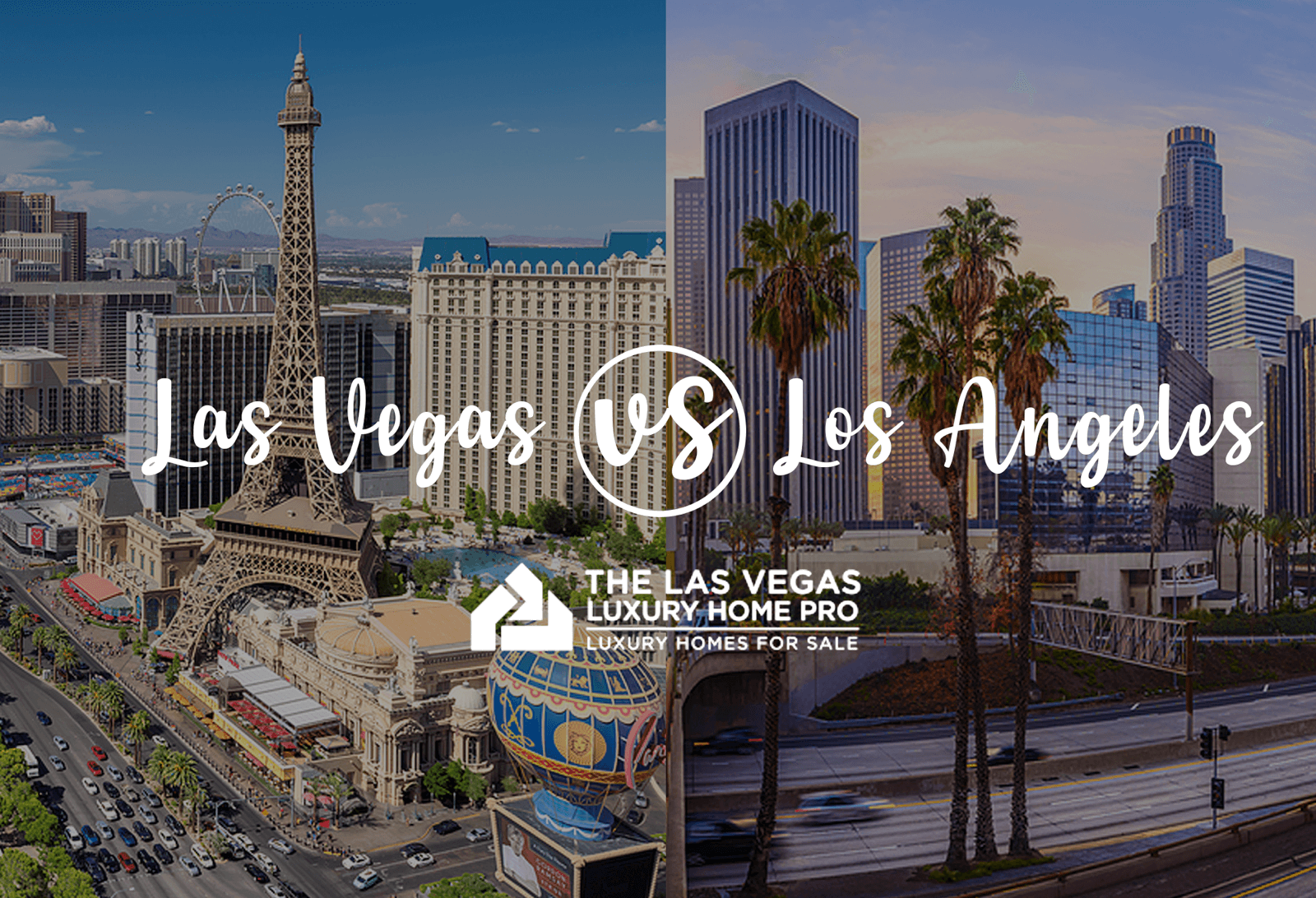
The Endless Reach of Los Angeles
Los Angeles is a sprawling monolith. The city itself covers approximately 500 square miles, but when you consider the entire Los Angeles County and the greater metropolitan region, the numbers climb into the thousands. The city is famous for its lack of a singular center; instead, it is a collection of diverse neighborhoods, from the coastal vibes of Santa Monica to the industrial landscapes of Downtown Los Angeles. The landscape is dictated by a massive network of freeways, connecting distant suburbs that feel like cities unto themselves.
The Concentrated Energy of Las Vegas
In contrast, Las Vegas is geographically compact, centered around the world-famous Las Vegas Strip. While the Las Vegas Valley has grown significantly, incorporating cities like Henderson and North Las Vegas, the functional urban core remains relatively small. You can traverse the most significant parts of the tourist district in a matter of minutes, whereas navigating from one end of Los Angeles to the other can take several hours depending on traffic.
Population Density and Demographics
Size isn’t just about land; it’s about the concentration of humanity. The way these two destinations manage their populations dictates the experience of visiting them.
A Megacity of Millions
Los Angeles is the second-most populous city in the United States. It is a global melting pot with a population that exceeds four million within city limits and over 10 million in the county. This density creates an environment of constant movement, intense traffic, and a staggering variety of cultural districts, such as Chinatown, Little Tokyo, and Boyle Heights. The sheer volume of people means that Los Angeles offers a depth of lifestyle options—from high-end art galleries in West Hollywood to the surf culture of Venice Beach—that is rarely matched anywhere else.
The Transient Flow of Las Vegas
Las Vegas has a much smaller permanent population, hovering around 650,000 within the city proper. However, the “effective” population of Las Vegas is vastly higher when you include the tens of millions of tourists who pass through annually. The city is designed to manage this transient flow, with high-capacity infrastructure built specifically to accommodate short-term visitors. While Los Angeles is designed for a resident population, Las Vegas is optimized for the visitor, making it feel “bigger” than it actually is during peak seasons and weekends.

Infrastructure and Navigability
How these cities handle movement is a testament to their size and development history.
The Car-Centric Culture of California
In Los Angeles, the car is king. Because of the vast distances between major attractions like Griffith Observatory, Universal Studios Hollywood, and the Getty Center, your ability to explore is often limited by the infamous traffic on the 405 Freeway. The city is a masterpiece of suburban expansion, making it a sprawling labyrinth that rewards those who plan their routes strategically by neighborhood.
The Verticality of the Desert Oasis
Las Vegas utilizes verticality to maximize its space. Instead of spreading out, the city builds up and inward. The major resorts, such as Caesars Palace, Bellagio, and The Venetian, function as self-contained micro-cities. Within a single property, you can find dining, entertainment, retail, and lodging, meaning you don’t always need a vehicle to experience the best of the city. While the outskirts of the Las Vegas Valley require a car, the core of the city is designed for pedestrians, offering a stark contrast to the driving-heavy lifestyle of Southern California.
Economic and Cultural Influence
Size also extends to the influence these cities have on global culture and the economy.
The Global Stage
Los Angeles is a titan of global commerce and culture. As the home of Hollywood, its economic output and cultural reach extend to every corner of the planet. The city’s size allows it to be a hub for technology, aerospace, fashion, and media. When you visit, you feel the weight of a city that isn’t just a destination, but a driving force of the global economy.
The Entertainment Capital of the World
Las Vegas occupies a unique niche. While its physical footprint is smaller, its reputation for excess and entertainment is massive. The city acts as a primary stage for high-stakes business conventions, international sports, and world-class performances. It dominates the hospitality industry in a way that Los Angeles does not. If “size” is measured by the concentration of entertainment venues and gaming revenue within a small radius, Las Vegas is arguably the “biggest” player in the hospitality sector.

Choosing Your Next Destination
When deciding between these two, consider what kind of “size” you are looking for. If you want the vast, sprawling, and unending cultural exploration of a true megacity, Los Angeles provides an unparalleled diversity of experiences. From the mountains of Angeles National Forest to the beaches of Malibu, the size of the Los Angeles region ensures you will never run out of new corners to discover.
However, if you prefer a high-intensity, concentrated experience where the sheer scale of the architecture and the energy of the crowd feel larger than life, Las Vegas is the definitive choice. It is a city that packs the excitement of a global metropolis into a desert basin, making every moment feel like a high-stakes event. While Los Angeles is undeniably bigger in terms of geography and population, Las Vegas stands tall as a titan of focused, energetic, and compact tourism. Both cities prove that “big” can be defined in many ways, and both remain essential pillars of the American travel experience.
LifeOutOfTheBox is a participant in the Amazon Services LLC Associates Program, an affiliate advertising program designed to provide a means for sites to earn advertising fees by advertising and linking to Amazon.com. Amazon, the Amazon logo, AmazonSupply, and the AmazonSupply logo are trademarks of Amazon.com, Inc. or its affiliates. As an Amazon Associate we earn affiliate commissions from qualifying purchases.