
The resilience of the Gulf Coast has once again been tested by the volatile nature of the Atlantic hurricane season. For travelers, locals, and those with a deep interest in the geography of the southern United States, understanding the timeline of major weather events is essential for navigating the region’s landscape. Hurricane Francine, a notable weather system that impacted the Louisiana coastline, serves as a poignant reminder of how nature shapes the infrastructure and historical trajectory of this unique state.
The Timeline and Landfall of Hurricane Francine
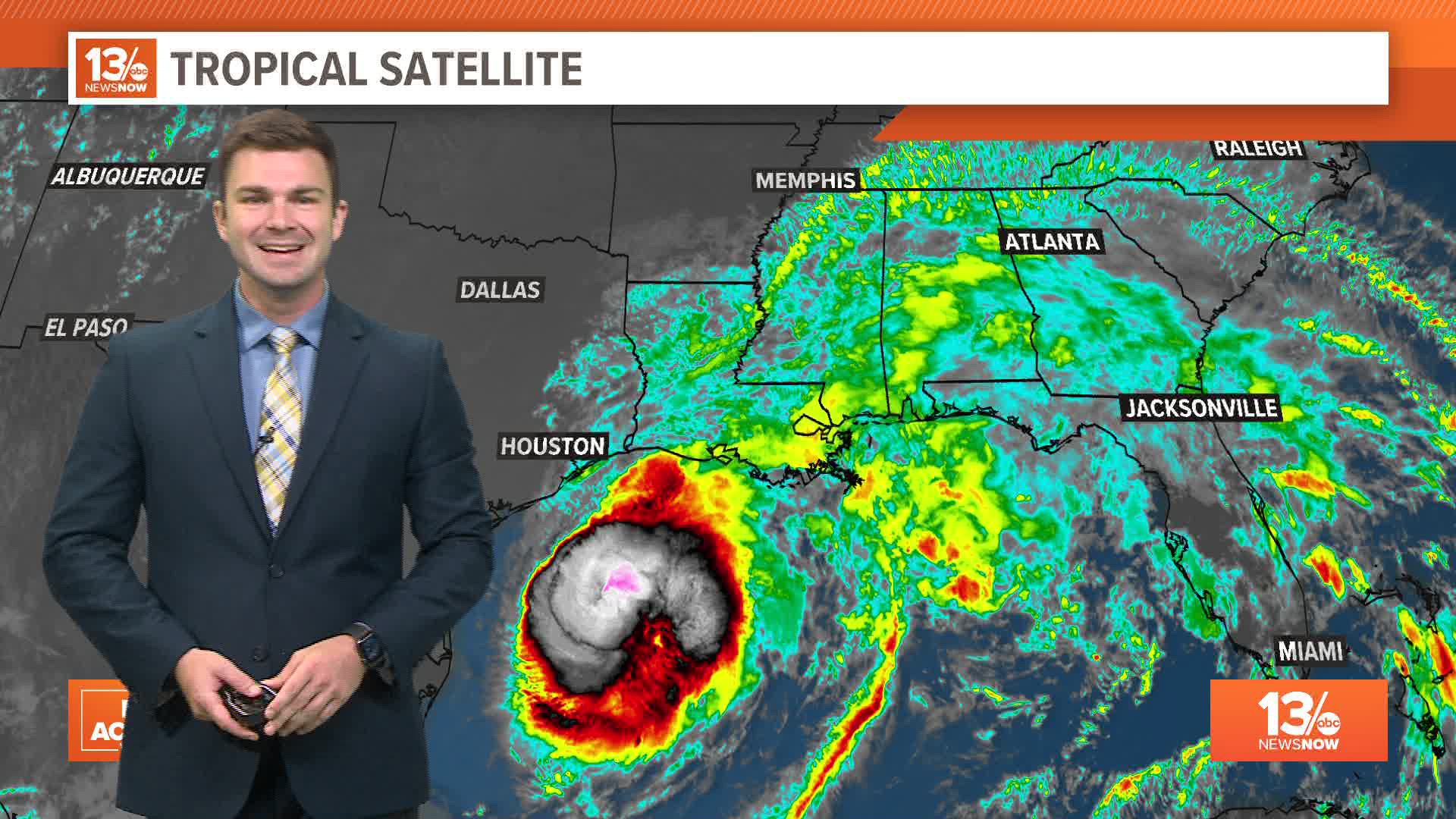
Hurricane Francine officially made landfall in the southern reaches of Louisiana on September 11, 2024. As the storm intensified over the warm waters of the Gulf of Mexico, meteorologists monitored its trajectory closely, predicting a significant impact on the marshy lowlands that characterize the coastal parishes.

A Rapid Intensification
The storm developed from a tropical depression into a hurricane with remarkable speed. By the time it reached the coast, it had solidified into a Category 2 hurricane, bringing sustained winds and heavy rainfall that affected much of the region between Morgan City and Houma. The timing of this landfall occurred late in the evening, plunging much of the coastal interior into a night of uncertainty as the eyewall pushed inland.
Navigating the Aftermath
In the immediate aftermath of the storm, the focus shifted to the stability of the local landmarks and the restoration of essential services. While many historical structures in New Orleans and the surrounding bayous are built to withstand the rigors of coastal life, the sheer volume of precipitation associated with Francine necessitated significant cleanup efforts. Travelers planning to visit the region often check these historical weather patterns to understand the seasonal rhythms of the area, as the hurricane season typically peaks between August and October.
Impact on Coastal Geography and Nature
The landscape of Louisiana is defined by its intimate relationship with the water. The marshes, estuaries, and barrier islands act as the state’s first line of defense against the forces of the Gulf of Mexico. When a hurricane like Francine makes landfall, the geography itself changes.
Alterations to the Wetlands
Coastal erosion is an ongoing concern for the Atchafalaya Basin, one of the most vital natural resources in the state. Hurricanes accelerate the salt-water intrusion that can damage delicate freshwater ecosystems. Following Francine, conservationists and geographers studied the impact on the flora and fauna that make the Mississippi River Delta a bucket-list destination for nature enthusiasts. From the cypress forests to the diverse bird populations, the ecosystem is a testament to natural endurance.

Recovery of Natural Landmarks
Visitors to places like Jean Lafitte National Historical Park and Preserve often look for signs of recovery after a major storm. Nature has a remarkable ability to rebound in the Gulf South. Within weeks of Francine, the verdant green of the marshes began to return, and the migratory bird patterns resumed their typical course. For those who enjoy eco-tourism, observing the landscape’s recovery offers a unique perspective on the power and fragility of our natural environment.
Infrastructure and Resilience in Historic Cities
Louisiana is home to some of the most culturally significant architecture in the United States. From the iconic balconies of the French Quarter to the majestic plantation homes lining the Mississippi River, preserving these structures is a priority for both residents and the tourism industry.
Fortifying the Cultural Heart
Following the landfall of Hurricane Francine, local municipalities and the federal government coordinated efforts to ensure that the structural integrity of historical districts remained intact. The resilience displayed by cities like Lafayette and Baton Rouge highlights the effectiveness of modern infrastructure, including advanced levee systems and improved storm-drainage capabilities.
Tourism and Local Restoration
Tourism is a cornerstone of the state’s economy. After the winds died down and the rains subsided, the focus turned toward the hospitality sector. Hotels, restaurants, and museums worked tirelessly to open their doors to visitors, showcasing the famous Southern hospitality that defines the region. For a traveler, understanding the impact of Hurricane Francine provides context for why the restoration of historic sites is treated with such reverence. When you walk through the streets of New Orleans, you are not just seeing architecture; you are seeing the result of generations of citizens who have learned to thrive in harmony with the temperamental climate of the coast.
Planning Travel Amidst Seasonal Weather
For those considering a trip to Louisiana, the history of hurricanes like Francine provides important lessons in travel planning. While the beauty of the region is undeniable year-round, awareness of the hurricane season ensures a safer and more enjoyable experience.
Best Practices for Visitors
- Stay Informed: Always monitor local news outlets like the National Hurricane Center if traveling during the late summer or early autumn months.
- Travel Insurance: Given the unpredictable nature of tropical systems, securing travel insurance that covers weather-related cancellations is highly recommended.
- Respect the Process: If a storm is forecasted during your stay, follow the instructions of local authorities. The safety protocols in place for tourists are robust and highly effective.
The Spirit of the Gulf Coast
Despite the challenges posed by Hurricane Francine, the spirit of Louisiana remains unbroken. The culture—rooted in the music of New Orleans, the cuisine of the Cajun Country, and the history of the American South—is a resilient tapestry. Travelers who visit in the weeks and months following a major event are often treated to the most authentic experiences, as the community comes together to rebuild and celebrate the unique life that thrives in this corner of the United States.
By acknowledging the events of September 2024, travelers can better appreciate the depth of character found in the people of Louisiana. It is a destination that does not hide from its history with the elements but instead stands proud, continuing to welcome visitors to explore its vibrant streets, tranquil bayous, and enduring landmarks. Whether you are walking through the historic Garden District or driving through the scenic coastal highways, the presence of the past and the promise of the future are always present. Understanding when Hurricane Francine hit is just one chapter in the long, fascinating story of this remarkable state.
LifeOutOfTheBox is a participant in the Amazon Services LLC Associates Program, an affiliate advertising program designed to provide a means for sites to earn advertising fees by advertising and linking to Amazon.com. Amazon, the Amazon logo, AmazonSupply, and the AmazonSupply logo are trademarks of Amazon.com, Inc. or its affiliates. As an Amazon Associate we earn affiliate commissions from qualifying purchases.