
For frequent visitors to Las Vegas, the skyline is a living, breathing entity. Over the decades, iconic properties have risen and fallen, shifting the gravity of the Las Vegas Strip and the surrounding neighborhoods. Among these, The Palms Las Vegas has long stood as a beacon of high-end nightlife, celebrity culture, and architectural innovation. However, questions regarding its operational status have frequently surfaced, often leading to confusion among travelers accustomed to its specific brand of luxury. To understand why this property has experienced closures and shifts in management, one must look at the broader evolution of the Nevada hospitality market.
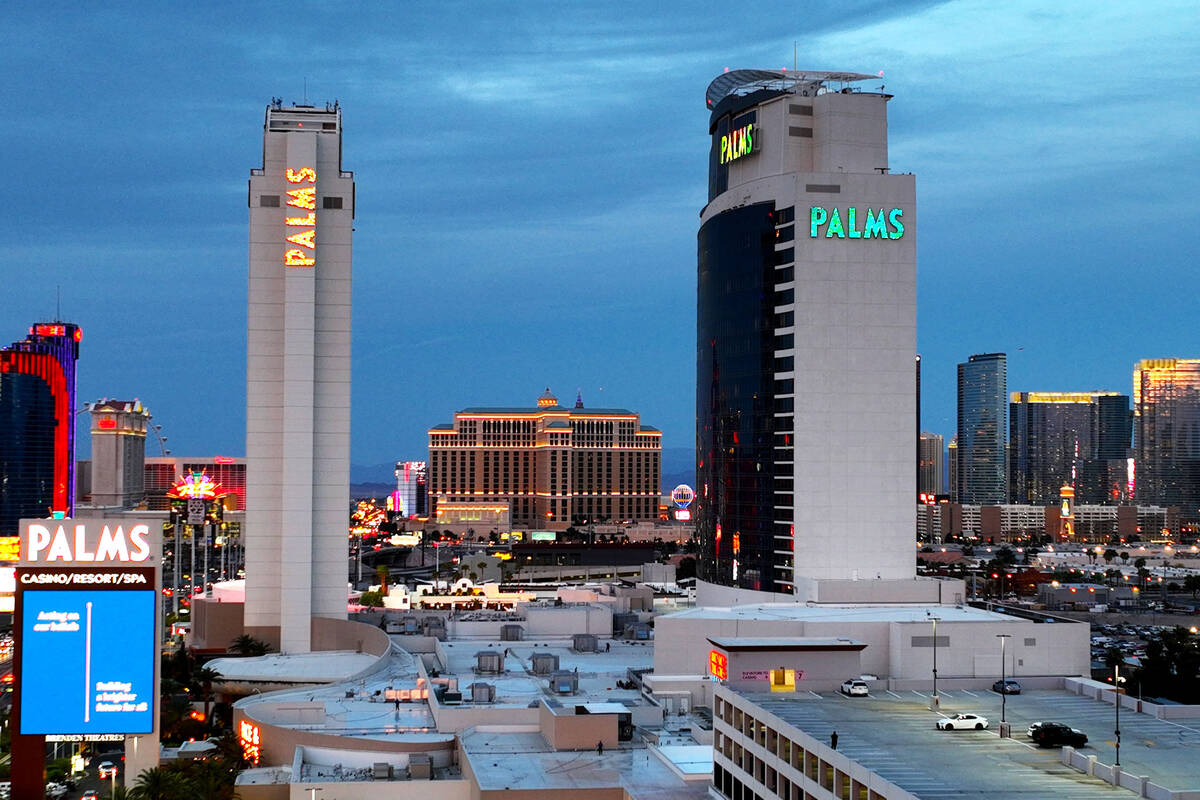
The Evolution of the Palms Property
The history of The Palms Casino Resort is one of rapid ascent and strategic pivots. When it first opened its doors in 2001, it redefined the off-strip experience. By blending sophisticated suites with a youthful, high-energy atmosphere, it carved out a niche that Caesars Palace or the Bellagio could not replicate.
Shifts in Ownership and Strategy
The property’s business trajectory changed dramatically when it was acquired by the Station Casinos group. This transition signaled a move away from the independent, boutique feel toward a more integrated, local-focused resort model. Following this, the property was purchased by the San Manuel Band of Mission Indians, marking a historic milestone as the first tribal-owned resort in Las Vegas. These changes in ownership are often the primary drivers behind temporary shutdowns, as new operators perform extensive renovations to align the property with their specific service standards.
The Impact of Global Economic Shifts
It is impossible to discuss the closure periods of major resorts without addressing the global health crisis that paralyzed the travel industry in 2020. Like many other staples in the United States, the Palms had to suspend operations indefinitely. Unlike some competitors that prioritized a quick reopening, the ownership groups overseeing this property utilized the downtime to undergo a massive, multi-million-dollar renovation, effectively “closing” the resort to the public to facilitate a complete reimagining of the guest experience.
Renovations and Reimagining the Guest Experience
When a resort as storied as The Palms announces a closure, it is rarely due to failure; rather, it is a calculated decision to remain competitive. In a city where guests demand constant innovation, stagnation is the quickest path to obsolescence. The extended closures observed in recent years were, in fact, surgical efforts to modernize the facility.
Modernizing the Amenities
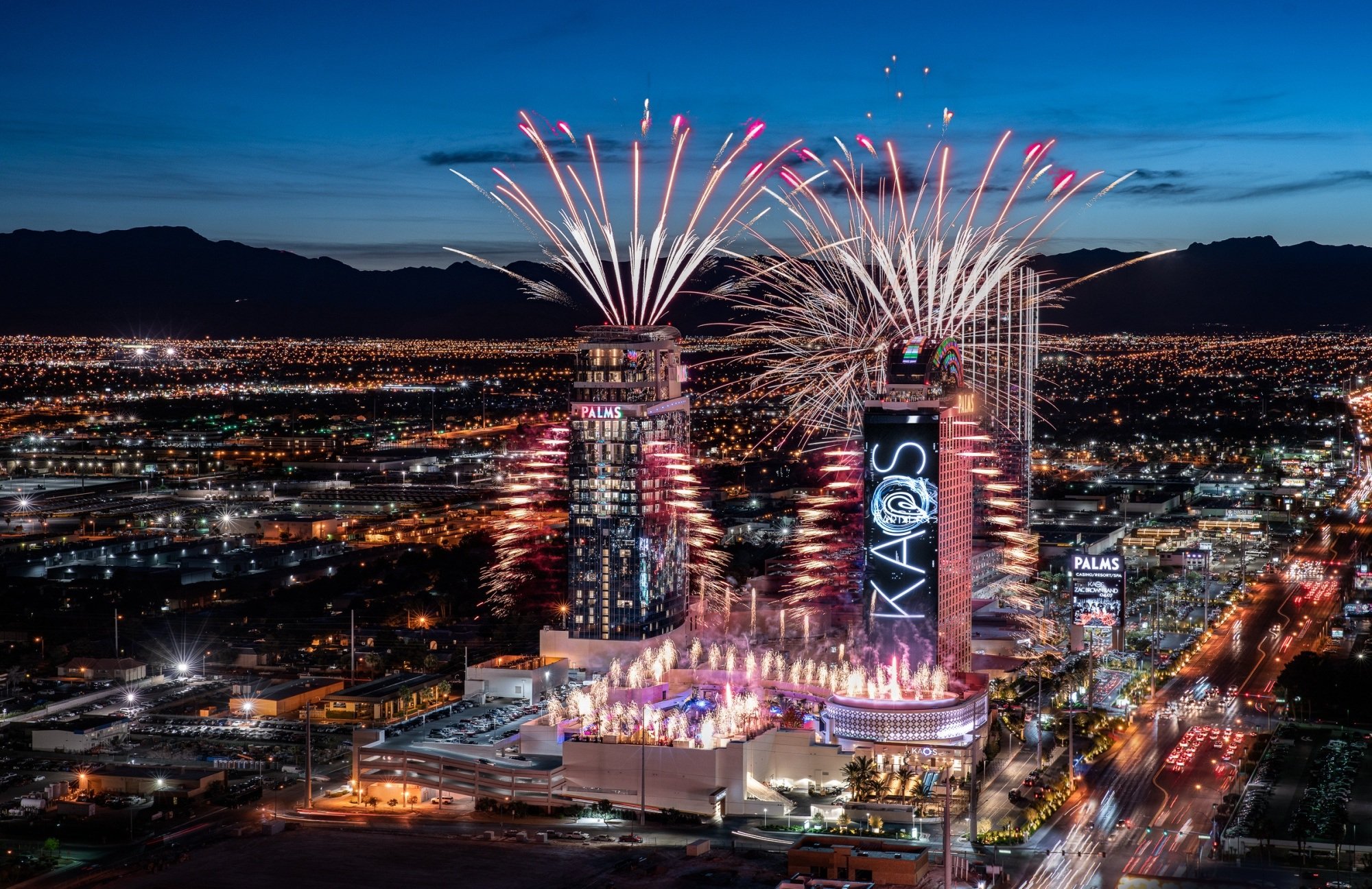
The recent reopenings have showcased a shift in focus. The management team invested heavily in the Ghostbar, long a staple of the Las Vegas nightlife scene, ensuring that the legendary views of the Red Rock Canyon and the surrounding valley remain accessible to a new generation. Furthermore, the dining landscape has been overhauled to keep pace with the culinary explosion occurring across the Southwest. By closing temporarily, the hotel was able to swap outdated floor plans for high-tech, integrated guest suites that cater to both the leisure traveler and the modern business professional.
Sustainability and Infrastructure Upgrades
The physical plant of a major hotel requires constant maintenance. By taking the resort offline, engineers were able to perform critical infrastructure work—upgrading HVAC systems, digitizing gaming floors, and reinforcing safety protocols. These “behind the scenes” closures are essential for the longevity of the building. When you see a “Closed” sign on a major resort, it often implies a massive infusion of capital intended to extend the lifecycle of the resort for another decade of operation.
The Palms in the Context of Las Vegas Hospitality
Why do travelers care so much about the status of this specific property? The answer lies in the hotel’s cultural footprint. It has hosted movie premieres, reality television sets, and some of the most influential cultural icons of the 21st century.
Off-Strip Appeal
While the Las Vegas Strip is the primary tourist draw, the Palms offers a unique vantage point. It allows guests to exist just outside the chaotic heart of The Strip while maintaining proximity to it. For many, the “closure” of the hotel felt like a loss of a specific local identity. The transition to tribal ownership and the subsequent reopening has successfully bridged this gap, re-establishing the Palms as a premier destination for those who want a blend of luxury and local authenticity.
Comparing Operational Cycles
In the broader market of Las Vegas Hotels, temporary closures are becoming more standard. Between The Wynn and The Cosmopolitan, the competition is fierce. The Palms has learned that staying open while underperforming is far more damaging to a brand’s reputation than taking a strategic hiatus to re-emerge with a stronger value proposition. The “closed” periods are not a sign of defeat but a testament to the business acumen required to survive in the most competitive hospitality market on the planet.
Current Status and Future Outlook
For those planning their next trip to Nevada, the Palms Casino Resort is currently fully operational and undergoing constant refinement. The cycles of closure that plagued the early 2020s are firmly in the past, replaced by a robust schedule of events, gaming, and dining that cements its status as a vital part of the Las Vegas ecosystem.
What to Expect on Your Next Visit
When you walk through the doors today, you are encountering a property that has been refined by its history of closures. The art installations, the renewed casino floor, and the updated spa facilities are all products of the time the property spent off-market. It serves as an example of how luxury travel, when managed with precision, can adapt to changing consumer tastes.

The Bottom Line for Travelers
The question of “Why is the Palms closed?” is a historical artifact. Today, the resort stands as a prime example of successful re-investment. Whether you are looking for a weekend getaway in a Sky Villa or looking to experience the nightlife that made the brand famous in California and beyond, the resort has secured its future as a cornerstone of the Las Vegas experience. Its closures were merely the pauses before a more vibrant, modern chapter, proving that in the world of high-end resorts, sometimes you have to close the doors to open them wider to the future.
LifeOutOfTheBox is a participant in the Amazon Services LLC Associates Program, an affiliate advertising program designed to provide a means for sites to earn advertising fees by advertising and linking to Amazon.com. Amazon, the Amazon logo, AmazonSupply, and the AmazonSupply logo are trademarks of Amazon.com, Inc. or its affiliates. As an Amazon Associate we earn affiliate commissions from qualifying purchases.