
The coastal allure of Long Beach and the urban intensity of Los Angeles represent two distinct facets of the Southern California experience. For travelers planning a trip to the United States, understanding the spatial and logistical relationship between these two iconic cities is essential. While they are neighbors within the expansive Los Angeles County, the journey between them is defined by much more than simple mileage; it is a study in traffic patterns, transit infrastructure, and the distinct geography of the Pacific Coast.
Understanding the Geographical Span and Travel Time
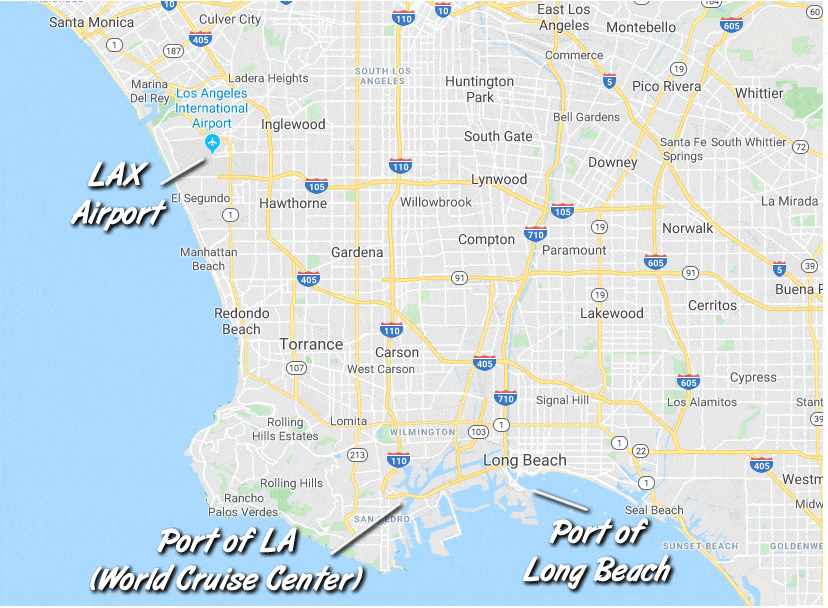
At their closest points, Long Beach and Los Angeles are approximately 20 to 25 miles apart. However, because both cities are vast, sprawling metropolises, the “distance” often depends entirely on your specific starting point and your destination. Traveling from the Long Beach Waterfront to Downtown Los Angeles typically covers about 25 miles via the Interstate 710.
The Reality of Southern California Traffic
In a perfect world, this distance could be traversed in roughly 30 to 40 minutes. However, Southern California is world-renowned for its congestion. During peak commute hours—typically 7:00 AM to 10:00 AM and 3:00 PM to 7:00 PM—the transit time can easily double or triple. Navigating the I-405 or the I-110 requires patience and careful planning. Travelers are advised to check real-time traffic data, as local accidents or construction on these major arteries can significantly alter travel times regardless of the physical distance.
Planning Your Departure
For those unfamiliar with the region, it is best to treat the trip as a significant excursion. If you are staying at a resort near the Queen Mary and wish to visit the Hollywood Walk of Fame, you should allocate at least 90 minutes for travel during busy periods. Always check the departure time against the pulse of the city to avoid spending your vacation hours sitting in gridlock.
Public Transportation Options for the Savvy Traveler
If you prefer to avoid the stress of driving, there are robust public transit options that connect these two hubs. Utilizing the regional transit network allows travelers to bypass the unpredictable nature of the freeway system while enjoying a more authentic look at the local lifestyle.
The Metro A Line Experience
The most reliable way to travel between Long Beach and Los Angeles is the Metro A Line. This light rail service provides a direct connection between Downtown Long Beach and the heart of Downtown Los Angeles.
- Convenience: The trains run frequently, and you avoid the frustration of parking in high-demand areas like Union Station.
- Cost-Effectiveness: Using a TAP card is significantly cheaper than the combined cost of gas and Los Angeles parking rates, which can be exorbitant at major tourist attractions.
- Accessibility: The line connects to other major transit hubs, allowing for seamless travel to further destinations like Santa Monica or Pasadena.

Regional Buses and Shuttles
While the rail system is often preferred, various regional bus lines serve the corridor. These can be useful if your accommodation is located further from the train stations. However, keep in mind that buses share the same road infrastructure as passenger vehicles and will be subject to the same traffic delays. For visitors, the rail remains the gold standard for predictability.
Exploring the Differences: Why Travel Between Them?
The journey between Long Beach and Los Angeles is often a migration between two different vibes. Long Beach offers a relaxed, maritime-focused environment, home to the Aquarium of the Pacific and an active harbor. It feels more intimate, with a walkable downtown and a heavy emphasis on coastal recreation.
The Urban Pulse of Los Angeles
Conversely, Los Angeles is a sprawling giant defined by its neighborhoods. From the glitz of Beverly Hills to the artistic enclaves of the Arts District, the city is a collection of cultures, cuisines, and historic landmarks. Traveling from the harbor to the city center allows for a comprehensive California experience, blending the salt air of the coast with the cinematic energy of the entertainment capital of the world.
Strategic Travel Tips
If you are visiting for an extended period, consider splitting your stay. Spend a few nights near the Long Beach Convention Center to enjoy the quiet coastal evenings, and relocate closer to the Hollywood Bowl or Griffith Observatory when you are ready to immerse yourself in the urban landscape of Los Angeles. This strategy minimizes the frequency of the trek, allowing you to enjoy each location without the fatigue of daily commuting.
Essential Considerations for Your Journey
Regardless of your chosen mode of transport, a few best practices will ensure your travel between these two cities remains seamless.
Weather and Seasonal Impacts
Southern California weather is generally temperate, but major events can cause massive traffic spikes. Be mindful of conventions at the Los Angeles Convention Center or large sporting events at SoFi Stadium. These gatherings can turn a 30-minute drive into an hour-long ordeal. Always check local event calendars before planning a trip between the two cities on a weekend.
Digital Navigation Tools
The importance of using navigation apps cannot be overstated. Apps like Google Maps or Waze provide real-time updates on accidents and alternative routes through suburban streets. In a region as complex as Los Angeles County, relying on static directions is a recipe for missed appointments and unnecessary delays.
Embracing the Route
If you decide to drive, view the transit not as a chore, but as part of the regional discovery. Whether you are driving past the industrial scale of the Port of Long Beach or catching a glimpse of the Downtown Los Angeles skyline emerging from the haze, the transition between these two cities highlights the sheer magnitude and diversity of California.
Ultimately, while the distance from Long Beach to Los Angeles is short on a map, it is an experience that requires respect for the complexity of the Pacific Coast infrastructure. By balancing the ease of the Metro A Line with the convenience of a personal vehicle when appropriate, any traveler can master the distance between these two vibrant, distinct, and essential landmarks of the United States.
LifeOutOfTheBox is a participant in the Amazon Services LLC Associates Program, an affiliate advertising program designed to provide a means for sites to earn advertising fees by advertising and linking to Amazon.com. Amazon, the Amazon logo, AmazonSupply, and the AmazonSupply logo are trademarks of Amazon.com, Inc. or its affiliates. As an Amazon Associate we earn affiliate commissions from qualifying purchases.