
For many travelers, the allure of the Pacific islands is constant, yet the timing of a trip can dictate the quality of the experience. March represents a fascinating “shoulder season” in Hawaii, positioned perfectly between the peak winter holidays and the onset of the drier, more predictable summer months. Whether you are seeking the thrill of high-surf culture or the tranquility of lush, rain-washed landscapes, understanding what to expect during this transitional month is key to planning a successful getaway.
Weather Patterns and Environmental Conditions
March in the archipelago is characterized by a mix of tropical sunshine and lingering winter showers. While the islands are officially moving toward the spring season, the influence of the North Pacific trade winds remains prominent.
Rainfall and Tropical Climate
Travelers should anticipate occasional rain, particularly on the windward sides of islands like Oahu or the Big Island. These showers are typically short-lived, serving to rejuvenate the island’s greenery, creating the vibrant, lush backdrop that Hawaii is famous for. If you prefer consistently drier conditions, consider staying on the leeward sides, such as the Kohala Coast or Wailea in Maui, where the mountainous terrain blocks much of the precipitation.
Temperature and Comfort
Temperatures in March are remarkably pleasant, hovering in the mid-to-high 70s Fahrenheit (around 24–26°C). It is neither stiflingly hot nor uncomfortably humid. This makes it an ideal time for physical activities such as hiking the Diamond Head State Monument or exploring the volcanic fields of Hawaii Volcanoes National Park. The moderate heat ensures you can spend long afternoons outdoors without the fatigue often associated with peak summer temperatures.
The Peak of Whale Watching Season
One of the most compelling reasons to choose March for a Hawaiian vacation is the undeniable presence of humpback whales. The North Pacific humpbacks migrate to the warm, shallow waters of the islands to breed, calve, and nurse their young, and March serves as one of the final opportunities to witness these majestic creatures before they begin their long journey back to Alaska.
Observing from the Shoreline
You do not always need a boat to appreciate the marine life. From elevated vantage points along the Napali Coast in Kauai or the southern shores of Maui, observers can often spot whales breaching or splashing just a few miles offshore. The visibility during the spring months remains excellent, and the calm mornings often provide a “glassy” ocean surface that makes spotting spouts and tails significantly easier for amateur enthusiasts.
Guided Boat Excursions
For a more immersive experience, booking a whale-watching tour remains a top priority for March visitors. These excursions, which depart regularly from harbors like Lahaina or Kewalo Basin, offer an unparalleled perspective on these massive marine mammals. The acoustic environment under the water is often filled with the haunting, beautiful songs of the males, and many operators provide hydrophones that allow guests to listen in on the activity in real-time.
Surfing, Water Sports, and Ocean Safety
The winter swell, which defines the legendary surf culture of the islands, begins to subside in March, yet the waves remain formidable. This makes the month a unique bridge for water sports enthusiasts.

North Shore Conditions
On Oahu, the North Shore continues to host impressive waves in early March, drawing professional surfers and spectators to famous breaks like the Banzai Pipeline and Waimea Bay. By the latter half of the month, the ocean generally becomes more manageable for intermediate surfers, though caution is always advised. Always consult with local lifeguards before entering the water, as the Pacific is dynamic and currents can shift rapidly.
Snorkeling and Scuba Diving
As the winter swell tapers off, the water clarity in sheltered bays improves significantly. March provides excellent opportunities for snorkeling in protected areas such as Hanauma Bay or the Molokini Crater. The water temperature remains warm enough for extended swimming sessions, though some visitors may prefer a thin wetsuit or rash guard during the early spring mornings.
Cultural Events and Crowds
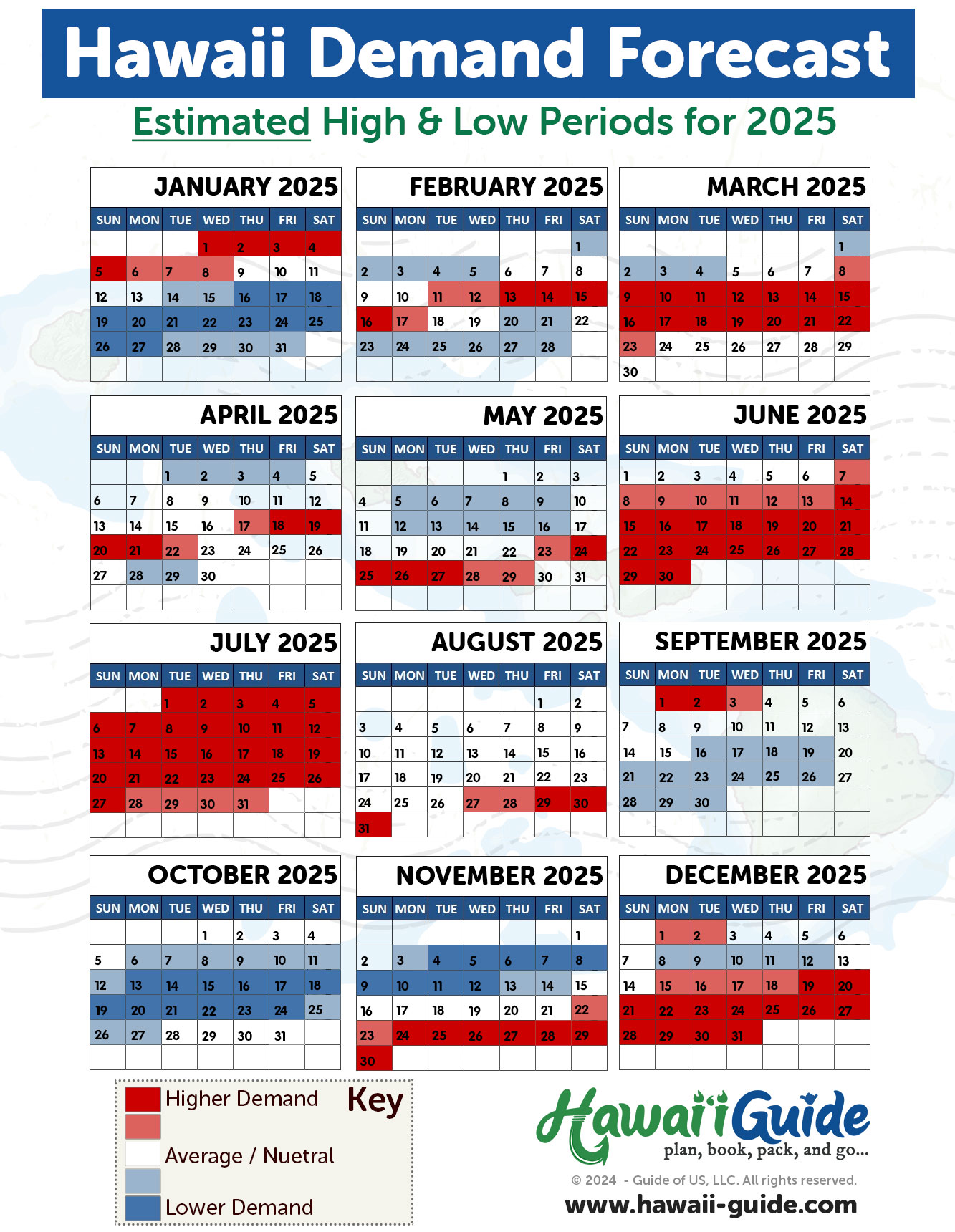
March is a period of transition regarding visitor volume. The post-New Year lull has ended, but the massive summer rush has yet to begin. However, it is important to be aware of the “Spring Break” effect, which can lead to localized surges in tourism, particularly in family-friendly resort areas.
Festivals and Local Celebrations
March is a culturally rich time to visit. One notable event is the Honolulu Festival, which celebrates the cultural exchange between Japan, Asia, and the islands. The festival features traditional dances, music, and a spectacular parade that showcases the diverse heritage of the capital city. It is a fantastic way to engage with the local community beyond the standard tourist attractions.
Managing Travel Logistics
Because March sits in the shoulder season, savvy travelers can often find better value for their travel budget compared to December or July. Airfare prices are often more competitive, and resort availability at top-tier properties like the Royal Hawaiian Hotel or the Halekulani is generally more flexible.
To maximize the benefits of a March visit:
- Book Accommodations Early: Even though it is not peak season, popular beachfront villas and boutique hotels fill up months in advance.
- Rent a Vehicle: Exploring the islands—from the lush greenery of Hana to the dramatic cliffs of the Pololu Valley—requires a car. Secure your rental before arrival to avoid limited supply.
- Be Flexible: Because of the occasional rain showers, maintain a loose itinerary. If it is raining on one side of an island, the other side is often dry and sun-drenched. The geography of the Hawaiian Islands is specifically designed to accommodate these micro-climates.
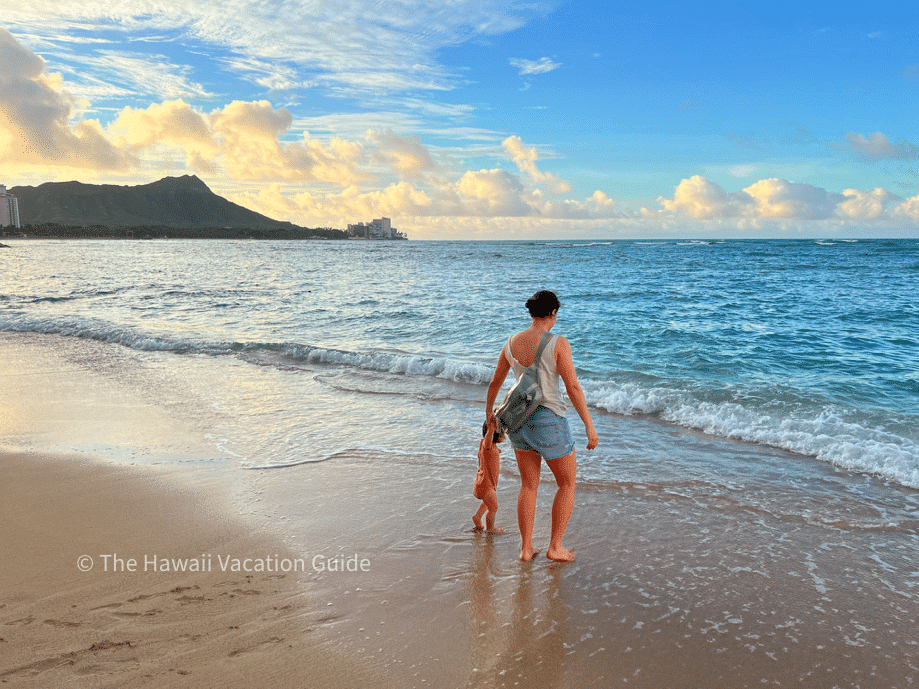
Ultimately, March is an exceptional time to visit Hawaii. The combination of migrating whales, lush spring foliage, and a more relaxed pace of life offers a profound connection to the natural beauty of the islands. Whether you are looking for an action-packed surfing adventure or a quiet retreat near the shores of Waikiki, the month provides the ideal climate and atmosphere to satisfy every type of traveler. By acknowledging the minor trade-offs, you will find that March offers a uniquely authentic and rewarding glimpse into the spirit of the Pacific.
LifeOutOfTheBox is a participant in the Amazon Services LLC Associates Program, an affiliate advertising program designed to provide a means for sites to earn advertising fees by advertising and linking to Amazon.com. Amazon, the Amazon logo, AmazonSupply, and the AmazonSupply logo are trademarks of Amazon.com, Inc. or its affiliates. As an Amazon Associate we earn affiliate commissions from qualifying purchases.