
Traveling between the sprawling urban heart of Los Angeles and the quintessential coastal charm of Santa Monica is a rite of passage for every visitor to Southern California. While the two are intrinsically linked, they represent vastly different sides of the metropolitan experience. Understanding the geography and the logistics of moving between them is the key to mastering your itinerary in the Golden State.
Understanding the Geographical Connection
The distance between Downtown Los Angeles and Santa Monica is approximately 15 to 16 miles, depending on your specific point of departure and destination. However, in Los Angeles, distance is rarely measured in miles—it is measured in minutes.

The Urban Sprawl Reality
Because Los Angeles is not a single, dense city center, but rather a collection of interconnected neighborhoods, the journey to Santa Monica can vary significantly. If you are staying near Hollywood or Beverly Hills, you are already halfway to the coast. If you are navigating from the Arts District or Little Tokyo, you have a longer haul ahead of you.
Traffic Patterns and Travel Times
The notorious congestion of the I-10 Freeway is the primary factor affecting your travel time. During the morning and evening rush hours, this stretch of road acts as a bottleneck for thousands of commuters. A journey that might take 25 minutes on a Sunday morning can easily stretch to over an hour and a half during a weekday commute. Savvy travelers often plan their transit for mid-day or late evenings to avoid the peak intensity of California traffic.
Navigating the Route by Car and Public Transit
Whether you prefer the convenience of a personal vehicle or the efficiency of public infrastructure, there are multiple ways to bridge the gap between the concrete jungle and the Pacific Ocean.
Taking the Freeway
Driving is the most common method of travel in Los Angeles. The Interstate 10 serves as the main artery connecting the east side to the west side. As you drive toward Santa Monica, the landscape shifts from dense high-rises to the distinct, leafy residential neighborhoods of West Los Angeles.
The Metro Expo Line (E Line)
For those who prefer to bypass the stress of driving, the Metro E Line is a game-changer. This light rail system connects Union Station in Downtown Los Angeles directly to the Downtown Santa Monica Station. It is a cost-effective, scenic, and reliable way to travel. The train offers commuters a chance to relax, read, or simply watch the urban landscape transition into the coastal breeze of the Santa Monica Bay.
Rideshare and Taxis
For visitors without a car, services like Uber or Lyft are ubiquitous. While convenient, keep in mind that pricing fluctuates wildly based on demand. During high-traffic hours, the cost of a rideshare can increase substantially, making it a less budget-friendly option compared to public transportation.
Balancing Your Itinerary: The Best of Both Worlds
Santa Monica and Los Angeles offer vastly different experiences, and the best way to enjoy your trip is to allocate time properly to both.
The Appeal of the Coast
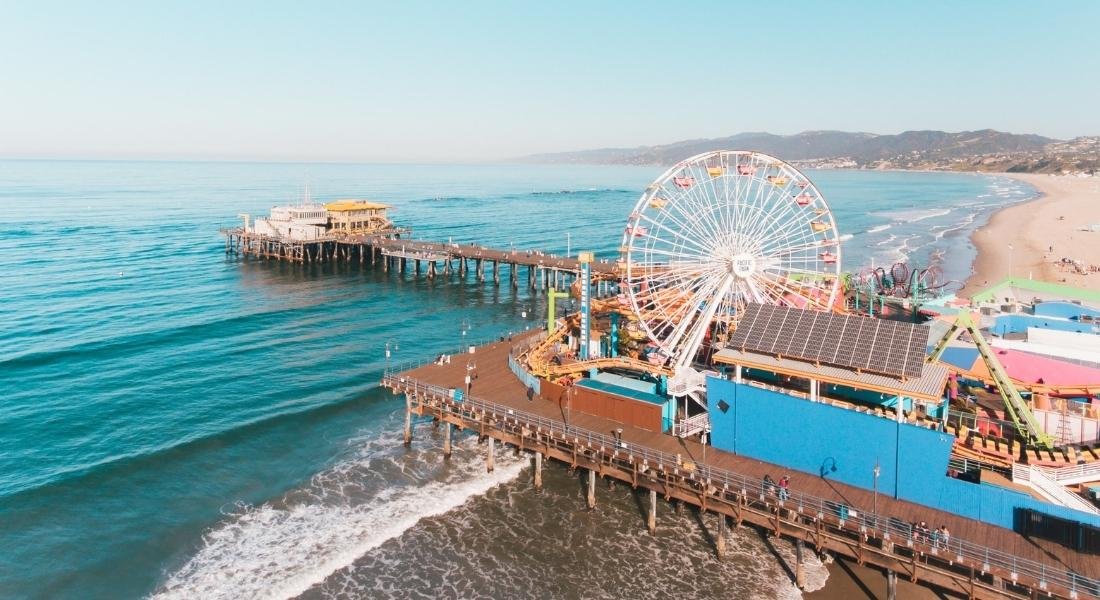
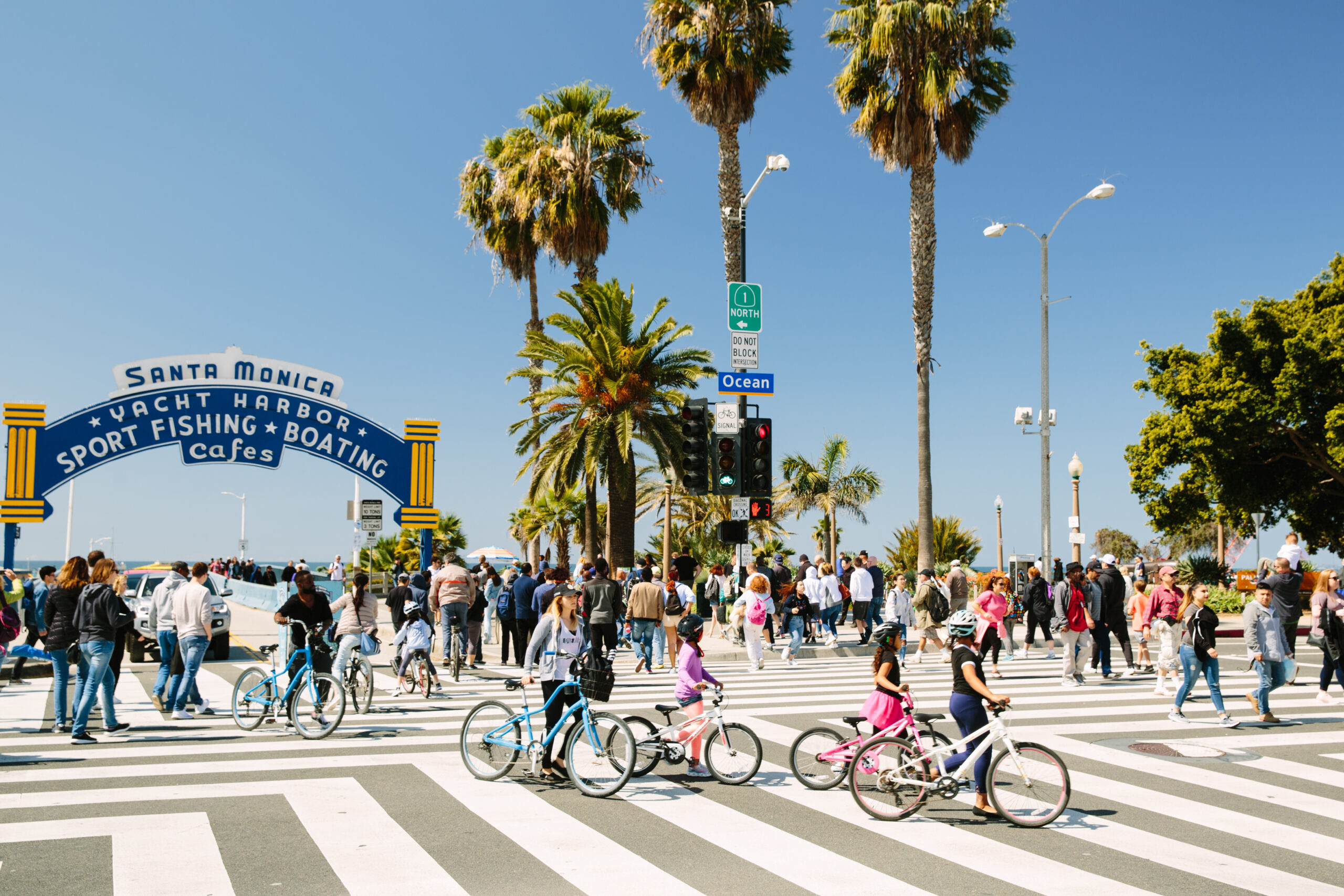
When you finally reach Santa Monica, the atmosphere changes entirely. The pace of life slows down as the ocean air takes over. Key attractions such as the Santa Monica Pier and the famous Santa Monica State Beach are perfect for afternoon strolls. Visitors often walk from the pier to the Third Street Promenade, an open-air shopping and dining district that captures the vibrant spirit of the coastal community.
The Energy of the City
In contrast, Los Angeles is characterized by its high energy and historical landmarks. From the Griffith Observatory offering panoramic views of the basin to the glitz of Rodeo Drive, the city provides a cultural depth that serves as a perfect counterpart to the relaxed beach vibe of Santa Monica. Many travelers choose to stay in Santa Monica for the proximity to the water while venturing into Los Angeles for day trips, effectively enjoying the best of both worlds.
Travel Tips for the Modern Tourist
To maximize your time, consider these professional recommendations:
- Time Your Departure: Avoid being on the I-10 Freeway between 7:00 AM–9:30 AM and 4:00 PM–7:00 PM.
- Utilize Public Transit: The Metro E Line is often faster than driving during peak rush hour, as it operates on its own dedicated tracks away from the congestion.
- Pack Accordingly: The temperature in Santa Monica is often 5 to 10 degrees cooler than in inland Los Angeles due to the marine layer. Keep a light jacket handy even on sunny days.
- Explore Local Neighborhoods: Don’t just travel between the two end points; consider stopping in areas like Culver City, which sits conveniently along the route and offers fantastic dining and entertainment options.
Ultimately, the distance between Los Angeles and Santa Monica is a small price to pay for the diversity of experiences available. Whether you are traveling for a week or a month, the fluidity between the vibrant city and the serene coast defines the Southern California lifestyle. By planning ahead and understanding the rhythm of the city, you can ensure that your transit is as seamless as the view of the sunset over the Pacific Ocean.
LifeOutOfTheBox is a participant in the Amazon Services LLC Associates Program, an affiliate advertising program designed to provide a means for sites to earn advertising fees by advertising and linking to Amazon.com. Amazon, the Amazon logo, AmazonSupply, and the AmazonSupply logo are trademarks of Amazon.com, Inc. or its affiliates. As an Amazon Associate we earn affiliate commissions from qualifying purchases.